


Dogs may not be able to tell us how they feel with words, but they have plenty of other ways to communicate.
A relaxed tail wag, a gentle nudge, following you around the house, or choosing to sleep beside you can all be signs of affection and trust. Of course, dog behavior always depends on context. The same action can sometimes have different meanings depending on your dog’s personality, body language, and surroundings.
Learning to recognize these signals can help you understand your dog better and strengthen the bond you share.
Here are 15 dog behaviors that may show affection, trust, and a strong connection with you.
1. Wagging Their Tail With a Relaxed Body
A loose, relaxed tail wag accompanied by a wiggly body is often associated with positive emotions.
When your dog greets you with a soft body, relaxed facial expression, and happily moving tail, they may be showing excitement and comfort in your presence.
Pay attention to the entire body rather than the tail alone. A stiff body paired with a high, rigid tail can communicate something very different from a relaxed, full-body wag.
2. Following You From Room to Room
Does your dog seem to have a personal mission to follow you everywhere?
Dogs are social animals, and many form strong attachments to their human companions. Following you from the kitchen to the living room or from one room to another can simply mean your dog enjoys being near you.
Your presence may provide companionship, security, and reassurance.
Of course, constant following can also be related to curiosity, learned habits, or anxiety, so consider your dog’s overall behavior rather than treating it as an automatic sign of affection.
3. Bringing You Their Favorite Toy
When your dog proudly carries a favorite toy over to you, they may be inviting you to interact with them.
For some dogs, bringing a toy means, “Let’s play!” For others, it can also be a way of sharing something valuable with a trusted person.
Whether they want a game of fetch, a tug-of-war session, or simply want you to admire their prized possession, including you in their favorite activity can be a lovely sign of connection.
4. Leaning Against You
A dog that gently leans against your leg while standing or sitting may be looking for closeness and reassurance.
When their body is relaxed and they willingly place their weight against you, this can be a sign that they feel comfortable around you.
Some dogs naturally enjoy physical contact more than others. If your dog frequently chooses to lean against you during calm moments, it’s one of their ways of staying connected.
5. Looking at You With Soft, Relaxed Eyes
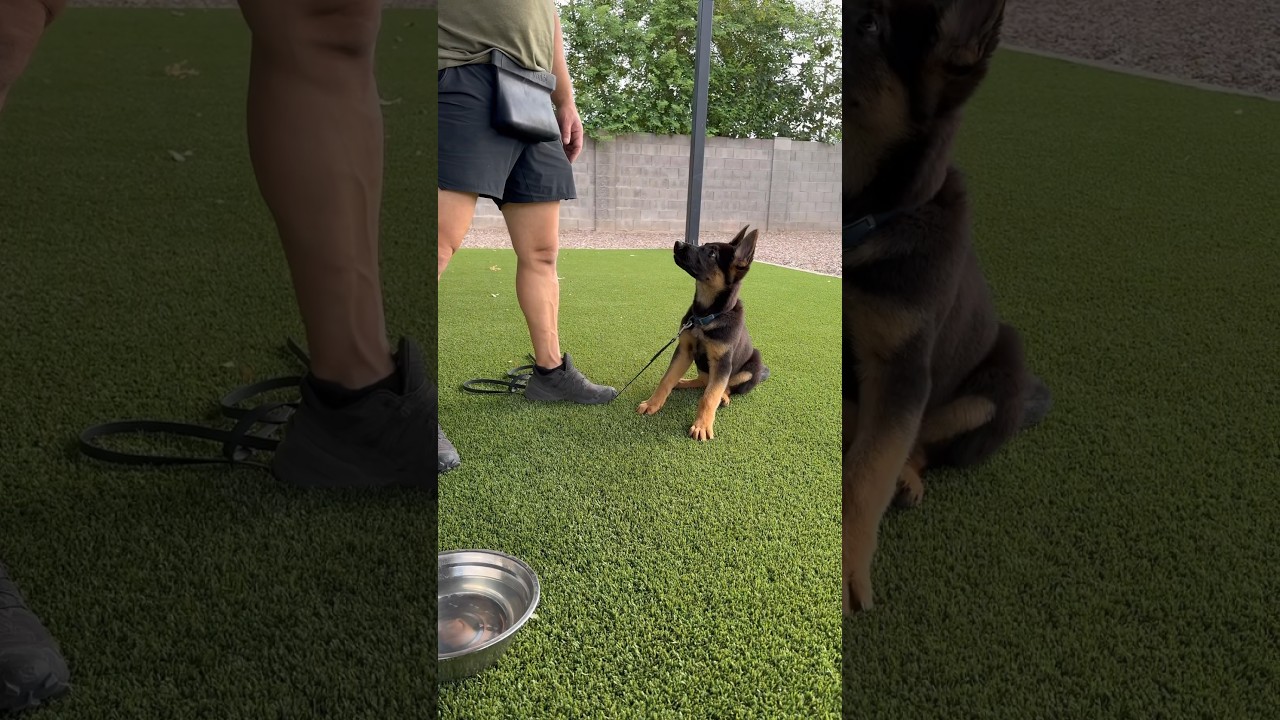
Eye contact between dogs and humans can be an important part of their relationship.
A relaxed gaze accompanied by a loose body, neutral ears, and a calm expression can indicate comfort and social connection. Research has also explored the role of oxytocin in positive interactions between dogs and their human companions.
However, eye contact should never be forced. A prolonged, tense stare can mean something very different, so always consider the rest of your dog’s body language.
6. Choosing to Sleep Near You
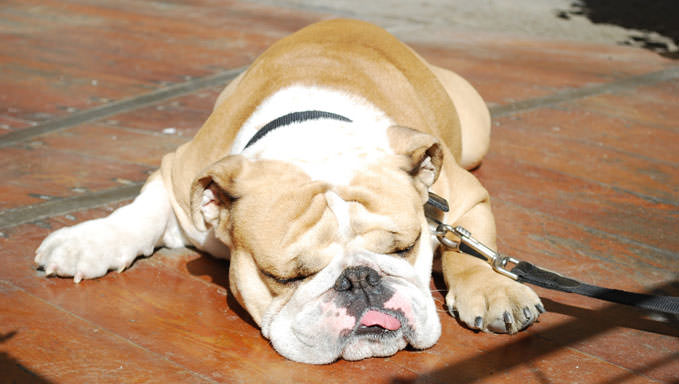
Sleep is a vulnerable state, so many dogs prefer to rest close to people they trust.
Your dog might curl up beside your bed, settle against your legs, or choose a nearby spot while you relax.
Choosing to rest near you can indicate that your dog feels safe and comfortable in your presence.
It doesn’t necessarily mean your dog has to sleep directly beside you, though. Some dogs show the same attachment while happily snoozing in their own bed across the room.
7. Licking Your Hands or Face
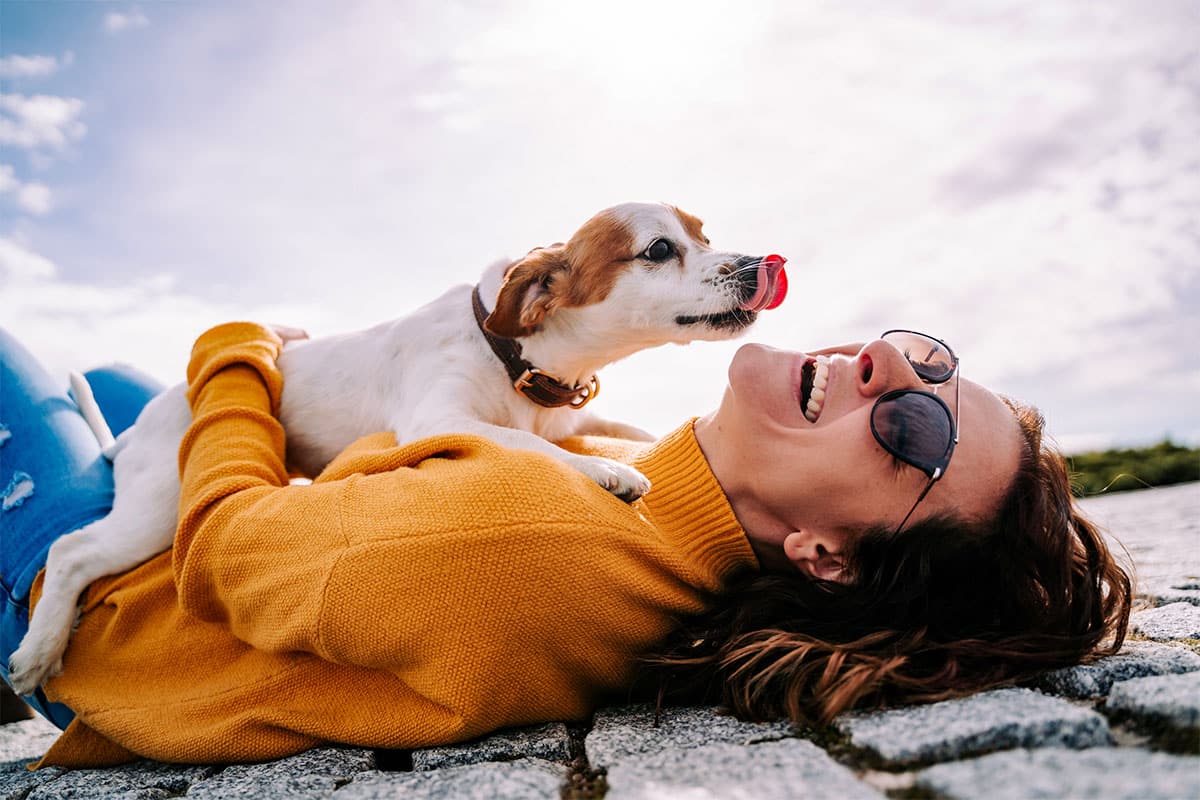
Dog kisses are a familiar sign of affection for many pet parents.
Dogs may lick people for several reasons, including social interaction, attention, grooming behavior, curiosity, or simply because they enjoy the response they receive.
When accompanied by relaxed body language, gentle licking can be part of a friendly bonding interaction.
If you don’t enjoy being licked, you can calmly redirect your dog toward another form of interaction, such as petting or playing.
8. Wagging Their Tail to One Side
Tail direction has been studied as part of canine emotional communication.
Some research has found that dogs can respond differently to tail movements depending on their direction, and certain directional patterns have been associated with different emotional states.
However, tail direction shouldn’t be interpreted by itself. The speed of the wag, body posture, ears, facial expression, and situation all provide important context.
A relaxed dog showing an overall friendly body posture is giving you much more useful information than tail direction alone.
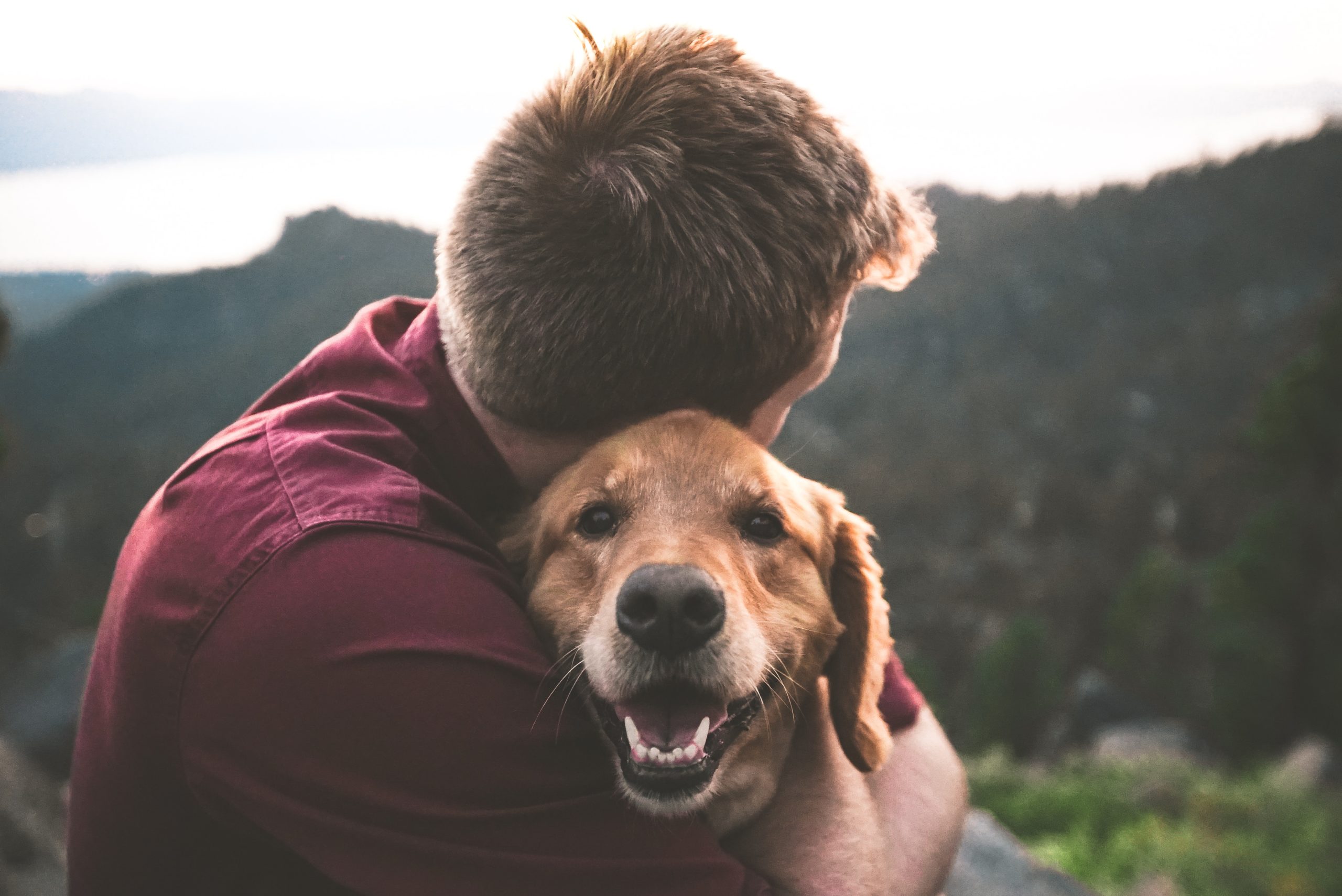
9. Nuzzling Into Your Chest or Neck
Some dogs love pressing their head or body against their favorite person.
A dog may nuzzle into your chest, rest their face against you, or burrow into your side when they’re looking for comfort and closeness.
This behavior can be particularly noticeable during quiet moments when your dog wants physical contact.
If your dog voluntarily seeks this kind of interaction while remaining relaxed, it’s often a sign that they feel comfortable and secure with you.
10. Showing a Relaxed “Smile”
Some dogs appear to smile when they’re happy.
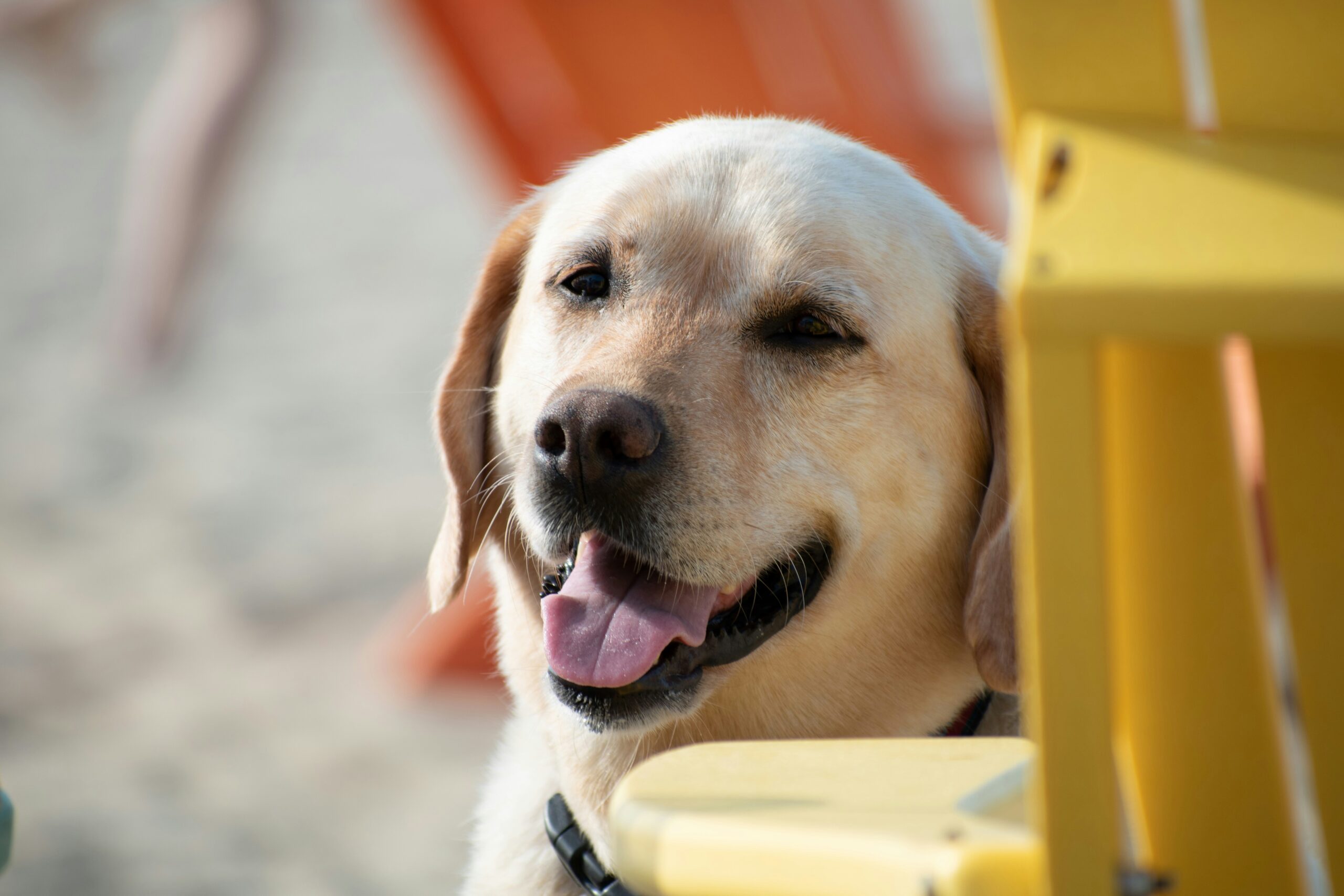
A relaxed open mouth, soft eyes, loose facial muscles, and an easy body posture can create what looks like a big canine grin.
This expression is often associated with relaxed, friendly behavior.
However, context matters. Dogs can also open their mouths when they’re hot, stressed, or physically active. Look at the whole body before deciding what the expression means.
11. Nudging You With Their Nose
A gentle nose bump can be your dog’s way of getting your attention.
They might nudge your hand because they want affection, ask you to pet them, request playtime, or simply initiate interaction.
Some dogs learn that nudging gets a response from their humans, so the behavior can become part of their communication routine.
When your dog approaches calmly and gives you a soft nudge, it can be a sweet way of saying, “Pay attention to me.”
12. Rolling Over and Showing Their Belly
A dog rolling onto their back may be inviting a belly rub, but belly exposure doesn’t always mean, “Please rub my stomach.”
Dogs may also roll over when they’re being submissive, uncertain, or trying to communicate that they don’t want conflict.
If your dog’s body is loose, their expression is relaxed, and they actively enjoy the interaction, the behavior may be an invitation for affection.
Always let your dog decide whether they want to continue being touched.
13. Getting Excited When You Come Home
Few things make dog parents feel more loved than an enthusiastic homecoming.
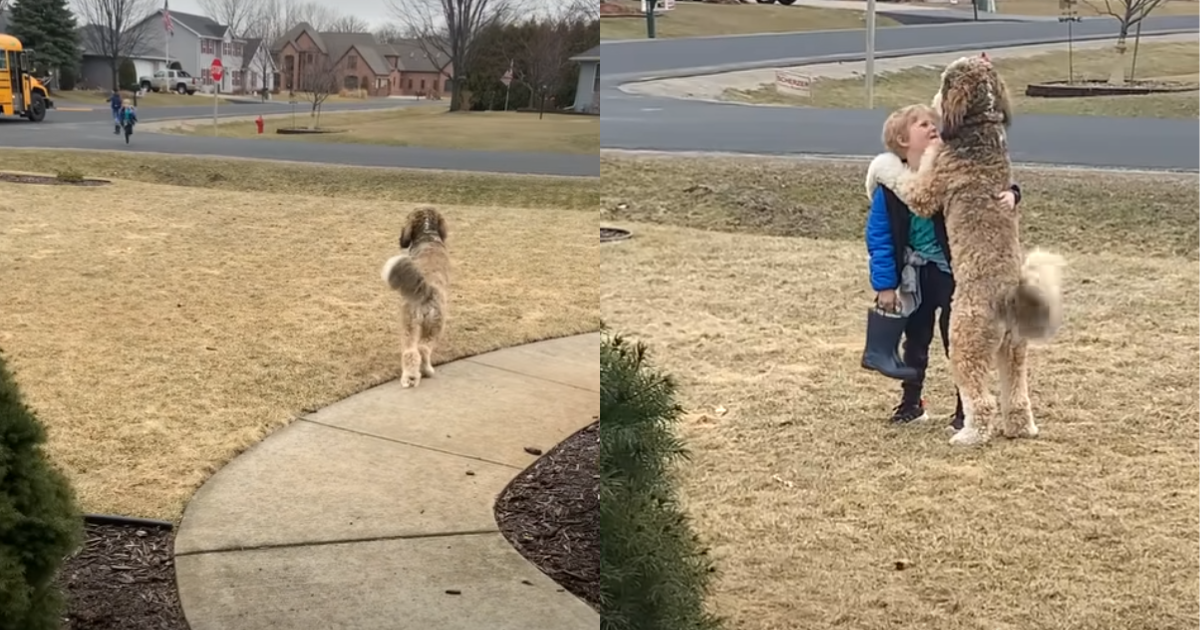
Your dog may wag their entire body, bounce around, spin in circles, bring you a toy, or rush over to greet you after you’ve been away.
This excitement can reflect the importance of your relationship and the pleasure your dog gets from seeing you again.
Once your dog has calmed down, spending a few quiet minutes together can be a wonderful way to reconnect.
14. Checking In With You During Walks
Some dogs regularly look back at their owners while exploring.
Your dog might glance over their shoulder, make eye contact, or briefly return to your side before continuing the walk.
These check-ins can show that your dog is paying attention to you while navigating an exciting environment.
They can also be encouraged through positive reinforcement. When your dog voluntarily checks in, calmly rewarding the behavior can help build good communication during walks.
15. Letting Out a Relaxed Sigh Beside You
Have you ever watched your dog settle down beside you and heard a long, dramatic sigh?
A sigh can simply be a physical release as your dog settles into a comfortable position. When it happens alongside relaxed muscles, calm breathing, and peaceful behavior, it can be part of a contented moment.
Your dog may be communicating, in their own way, that they’re comfortable enough to switch off and rest.
How to Tell When Your Dog Is Showing Affection
Individual behaviors shouldn’t always be interpreted in isolation.
Instead, look for combinations of relaxed signals, such as:
- A loose, comfortable body
- Soft eyes
- Relaxed ears
- A naturally wagging tail
- Choosing to stay close
- Voluntarily seeking interaction
- Settling comfortably beside you
- Playful behavior
- Returning to you after exploring
- Relaxed facial expressions
The bigger picture is usually more informative than a single movement.
Every Dog Shows Love Differently
Not every dog is naturally cuddly.
Some dogs show affection by sitting beside you without touching you. Others bring toys, follow you around, check in during walks, or simply choose to spend time in the same room.
Personality, past experiences, age, breed tendencies, and individual preferences can all influence how a dog communicates.
A dog that doesn’t enjoy hugs isn’t necessarily less affectionate. They may simply prefer a different form of interaction.
How to Strengthen Your Bond With Your Dog
You don’t have to wait for your dog to initiate affection. You can build your relationship through everyday activities.
Try:
- Spend uninterrupted time together — Put away distractions and give your dog your attention.
- Use positive reinforcement — Reward behaviors you want to encourage.
- Play together — Fetch, tug, scent games, and interactive toys can create positive experiences.
- Go on relaxed walks — Allow your dog appropriate opportunities to sniff and explore.
- Learn their body language — Understanding when your dog wants interaction and when they need space builds trust.
- Respect their boundaries — Let your dog move away when they don’t want physical contact.
- Practice simple training — Short, positive sessions can improve communication between you and your dog.
Final Thoughts
Dogs communicate affection in countless subtle ways. A relaxed tail wag, a favorite toy delivered to your feet, a gentle nose nudge, or simply choosing to rest beside you can all be meaningful parts of your relationship.
The key is learning to read your dog’s entire body language and the surrounding context rather than assigning one fixed meaning to a single behavior.
Once you understand how your individual dog communicates, those everyday moments can become even more special.






Leave a comment