





Living with a dog can change your daily routine in surprisingly meaningful ways. From the moment your dog wakes you up for breakfast to the enthusiastic greeting you receive after a long day, life with a canine companion is filled with small moments that can shape how we think and behave.
Dogs depend on us for food, exercise, safety, companionship, and care. In return, they often encourage us to slow down, spend more time outdoors, connect with other people, and appreciate simple experiences.
Of course, dogs don’t magically transform everyone into a better person. But the responsibilities and relationships that come with caring for a dog can provide plenty of opportunities to develop patience, responsibility, empathy, and appreciation.
Here are nine ways our four-legged friends can positively influence us.
1. Dogs Teach Us About Unconditional Love
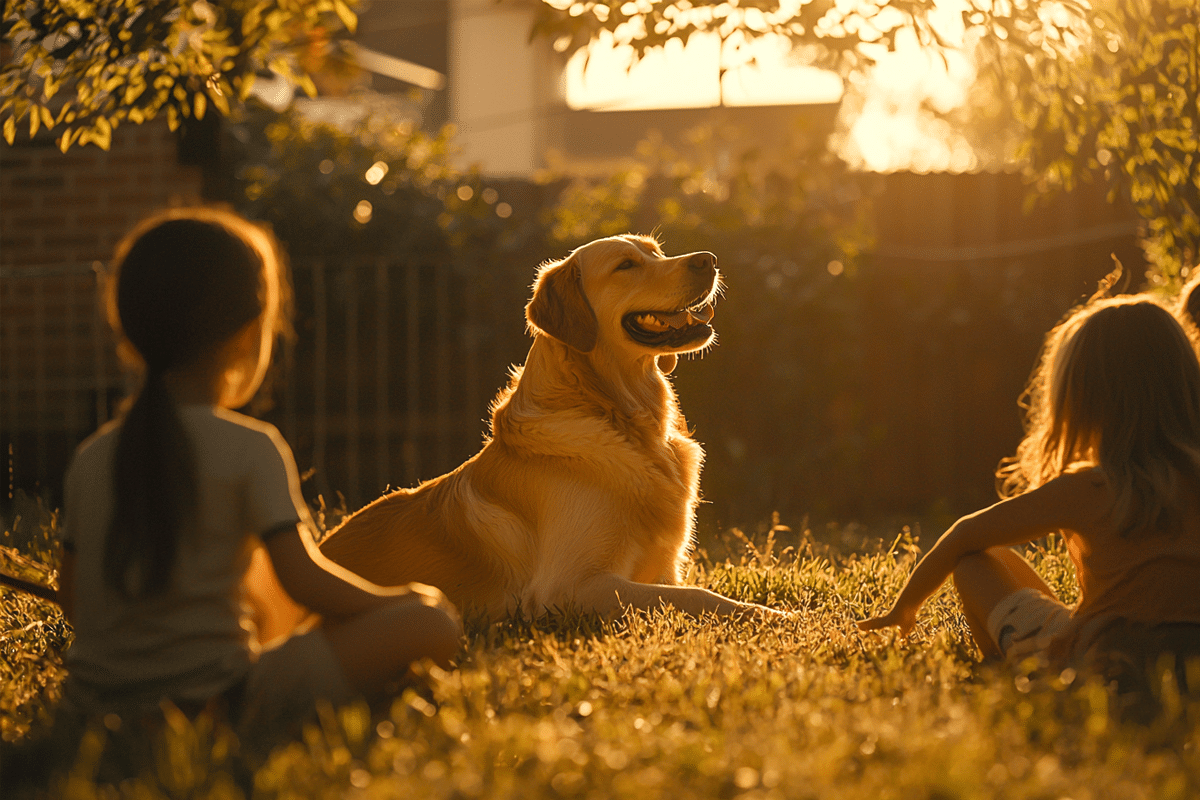
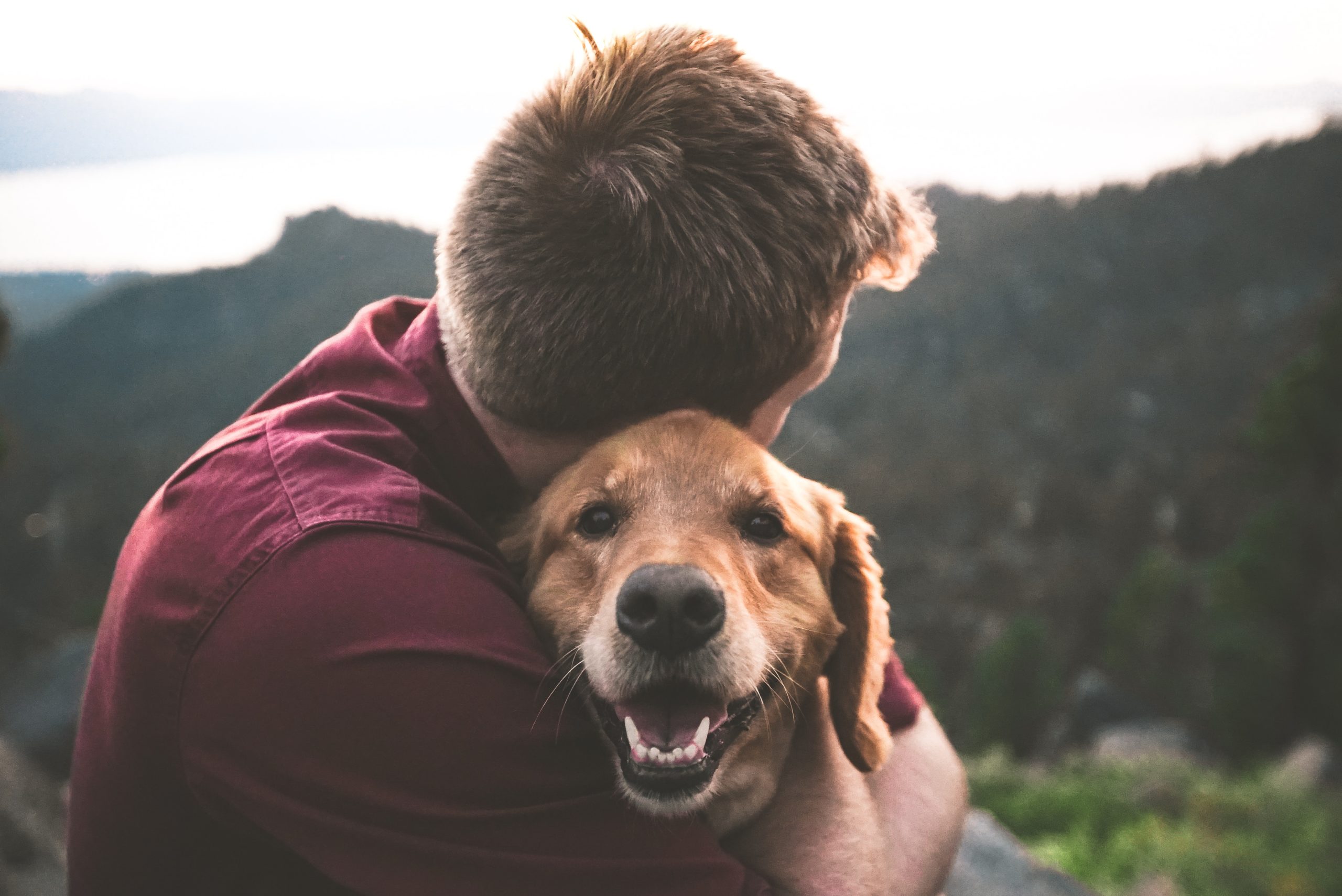
One of the most special parts of living with a dog is the bond that develops between pet and human.
Your dog doesn’t care whether you had a productive day, wore your favorite outfit, or made a mistake at work. What matters to them is the relationship they share with you.
That doesn’t mean dogs understand love exactly as humans do, but their consistent attachment and affection can remind us how meaningful companionship can be.
Spending time with a dog may encourage us to become more patient and accepting with the people we care about. Their enthusiasm when we walk through the door can also remind us how powerful a simple expression of affection can be.
Sometimes, a wagging tail and a happy greeting are all it takes to brighten an ordinary day.
2. Caring for a Dog Builds Responsibility
Dogs can’t take care of their basic needs by themselves. They rely on their owners for food, fresh water, exercise, grooming, veterinary care, training, and a safe environment.
That responsibility becomes part of everyday life.
You might have to get up earlier for a morning walk, remember a medication schedule, arrange a veterinary appointment, or make sure your dog’s water bowl is filled before leaving home.
These routines encourage consistency and accountability.
Unlike a hobby you can simply skip for a week, caring for a dog involves another living being whose needs continue every day. Over time, that responsibility can help people become more organized and dependable.
3. Dogs Encourage Us to Live in the Present
Humans spend a lot of time thinking about yesterday and worrying about tomorrow. Dogs, meanwhile, are often highly engaged with what’s happening around them right now.
A walk isn’t just exercise for a dog. It’s an opportunity to investigate smells, notice sounds, explore their surroundings, and experience something new.
Watching your dog become excited about a simple game of fetch or a sunny spot on the floor can encourage you to pay more attention to everyday experiences too.
You don’t always need an elaborate vacation or expensive activity to enjoy your day. Sometimes a walk around the neighborhood, a few minutes of play, or quiet time together can be enough.
4. Dogs Give Us Opportunities to Practice Patience
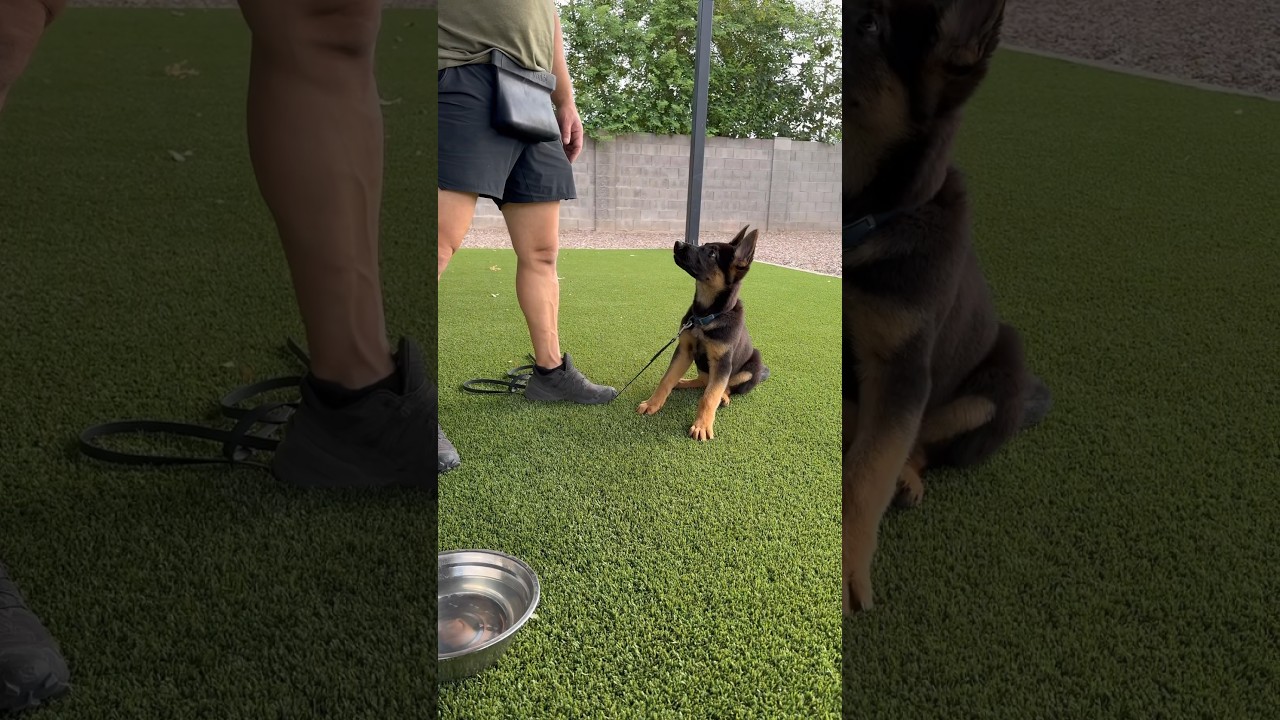
Anyone who has lived with a puppy knows that patience can be tested quickly.
House-training accidents, chewing, jumping, barking, pulling on the leash, and other unwanted behaviors can require time and consistent training. Even adult dogs may need time to learn new routines or adjust to unfamiliar situations.
Learning to guide a dog without becoming overwhelmed can help owners practice patience.
Training also teaches an important lesson: progress isn’t always immediate.
A dog may not understand a new cue after one session. They may become distracted or make mistakes. Working through those moments with appropriate, reward-based training can encourage us to slow down and focus on gradual improvement.
That mindset can be useful beyond dog training.
5. Dogs Get Us Moving
A dog can be a powerful reason to get outside.
Depending on the dog’s age, health, breed, and individual needs, daily walks and play sessions can encourage owners to spend more time moving rather than sitting indoors.
A walk can also become a welcome break from work, screens, and household responsibilities.
Instead of thinking, “I should exercise today,” you may simply think, “My dog needs a walk.”
That shift can make physical activity feel like part of your routine rather than another task on a to-do list.
Not every dog requires the same amount of exercise, though. Puppies, senior dogs, brachycephalic breeds, and dogs with medical conditions may have very different activity needs. Exercise should always be appropriate for the individual dog.
6. Dogs Can Help Us Connect With Other People
Dogs often make social interactions easier.
A person walking their dog may naturally start a conversation with another dog owner. Dog parks, training classes, neighborhood walks, adoption events, and pet-friendly community activities can all create opportunities to meet people.
Even a simple question such as “How old is your dog?” can become the beginning of a conversation.
For people who find social situations difficult, a dog can sometimes provide a natural topic to talk about.
The social benefits aren’t guaranteed, but dogs can certainly create more opportunities for interaction and shared experiences.
7. Dogs Show Us the Value of Loyalty
A strong relationship with a dog can provide a powerful sense of companionship.
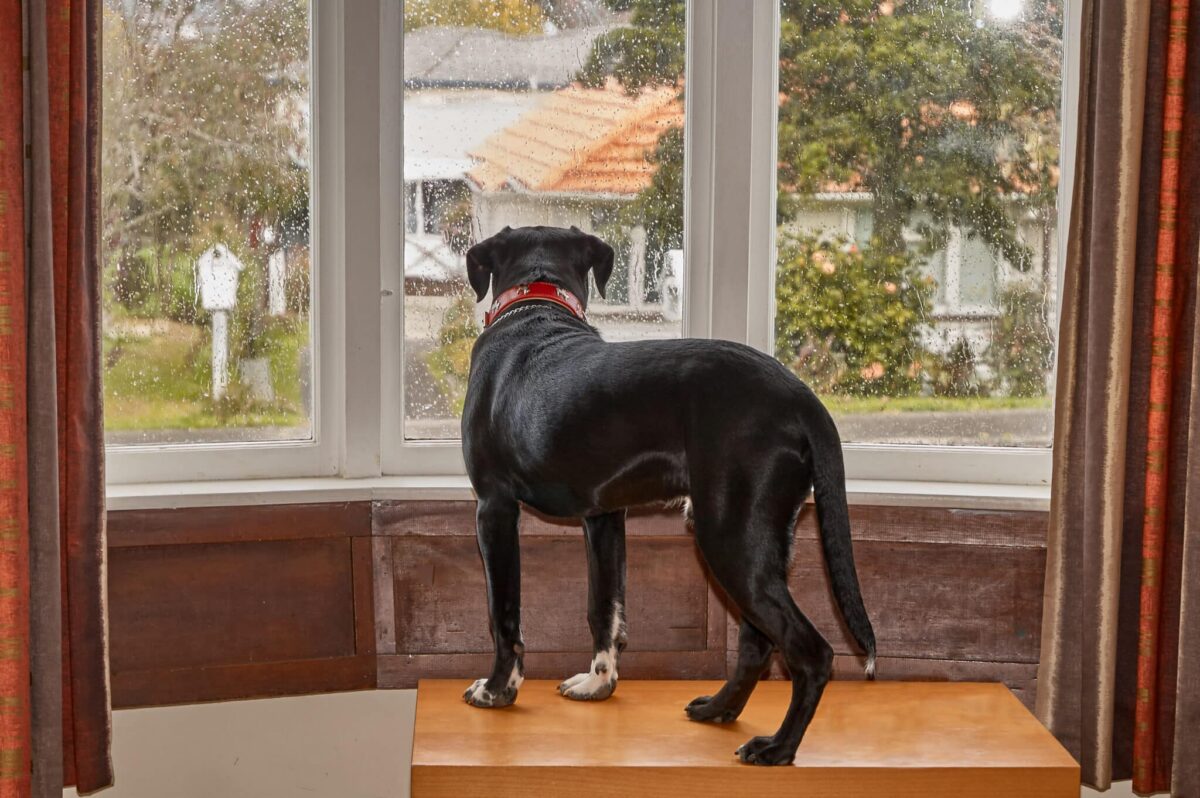
Dogs often become closely connected to their household routines and the people who care for them. They may wait near the door when someone is expected home, follow their favorite person from room to room, or curl up beside them during quiet evenings.
This consistency can remind us that meaningful relationships are built through time, trust, and dependable care.
Caring for a dog also teaches that loyalty isn’t simply about being present during good times. It’s about continuing to provide care when circumstances become inconvenient or challenging.
That responsibility can encourage us to think more carefully about commitment in our relationships with other people.
8. Dogs Help Us Appreciate Simple Joys
Dogs don’t need an expensive lifestyle to become excited.
A favorite toy, a tasty treat, a walk outside, a car ride, a sunny patch of floor, or time spent beside their favorite person can become the highlight of their day.
Their enthusiasm for ordinary experiences can encourage us to notice our own small pleasures.
Maybe it’s enjoying your morning coffee, taking a quiet walk, spending time with family, or playing with your dog after work.
These moments may seem insignificant individually, but appreciating them can make everyday life feel richer.
9. Dogs Can Strengthen Our Empathy
Caring for an animal requires us to pay attention to someone else’s needs.
Your dog can’t explain in words that they’re frightened, uncomfortable, bored, hungry, or overwhelmed. Instead, you have to learn to recognize body language and changes in behavior.
You may begin noticing subtle signals such as:
- A tucked tail
- Avoiding eye contact
- Lip licking
- Yawning in stressful situations
- Relaxed body posture
- Play bows
- Changes in appetite
- Increased hiding
- Unusual vocalization
Learning to observe these signals can make us more attentive caregivers.
That habit of paying attention to another being’s needs can also encourage greater empathy in our interactions with people.
Dogs Can Teach Us Without Saying a Word
Perhaps one of the most interesting things about living with a dog is how many lessons happen through everyday experiences.
A dog can teach responsibility when you need to follow a feeding routine.
They can teach patience when training takes longer than expected.
They can encourage activity when they bring you a leash.
They can encourage connection when another dog lover stops to say hello.
And they can remind you to appreciate the small things when they’re completely delighted by something as simple as a squeaky toy.
The lesson isn’t that dogs are perfect. They aren’t.
They’re individual animals with their own personalities, needs, fears, preferences, and behavioral challenges.
But the relationship we build with them can give us countless opportunities to become more thoughtful caregivers and more attentive companions.
How to Be the Kind of Human Your Dog Deserves
If your dog is helping you grow as a person, you can return the favor by becoming a better pet parent.
Be Consistent
Dogs generally benefit from predictable routines and clear expectations.
Use Positive Training
Reward desired behaviors and avoid relying on fear or harsh punishment.
Learn Their Body Language
Pay attention to signs of stress, fear, excitement, relaxation, and discomfort.
Make Time for Them
Dogs need more than food and shelter. Social interaction, play, enrichment, and appropriate exercise are important parts of their lives.
Respect Their Individuality
Not every dog enjoys the same activities. Some love meeting strangers, while others prefer familiar people and quiet environments.
Take Their Health Seriously
Routine veterinary care, appropriate nutrition, dental care, parasite prevention, and timely attention to changes in behavior all contribute to responsible ownership.
Frequently Asked Questions
Can having a dog really make you a better person?
A dog doesn’t automatically change someone’s personality. However, caring for an animal can create opportunities to practice responsibility, patience, empathy, consistency, and compassion.
How do dogs teach responsibility?
Dogs depend on their owners for daily care. Feeding, exercise, grooming, training, veterinary appointments, medication, and general safety all require regular attention.
Can dogs help people become more social?
They can create opportunities for social interaction through walks, training classes, dog-friendly activities, and conversations with other pet owners. The effect will vary from person to person.
Do dogs help us become more active?
They can encourage physical activity because many dogs need regular walks and play. The amount of exercise required depends on the individual dog’s age, health, breed, and temperament.
What is the biggest lesson dogs can teach us?
There isn’t one single lesson. For many owners, the experience of caring for a dog provides repeated opportunities to practice responsibility, patience, empathy, and appreciation for everyday companionship.
Final Thoughts
Dogs bring much more into our lives than wagging tails and playful antics.
They give us responsibilities that require consistency. They encourage us to get outside, spend time with others, notice their needs, and appreciate everyday moments. Over time, these experiences can influence the way we treat ourselves, our pets, and the people around us.
Maybe that’s one of the most wonderful things about sharing your life with a dog: while you’re busy teaching them how to live alongside you, they may be teaching you a few things too.
And sometimes, the lesson arrives with four paws, a wagging tail, and a very enthusiastic greeting at the front door.
This Article Was Generated By AI.








Leave a comment