




Some dogs want to chase balls all day, while others seem happiest when they’re curled up beside their favorite person.
If your ideal evening involves a dog leaning against you, resting their head on your lap, or squeezing into the smallest possible space beside you, an affectionate companion may be exactly what you’re looking for.
Many breeds are known for enjoying close human companionship, although every dog has its own personality. Some are enthusiastic cuddlers, while others prefer showing affection by following you around, leaning against you, or simply staying nearby.
Here are 11 dog breeds known for being affectionate and people-oriented.
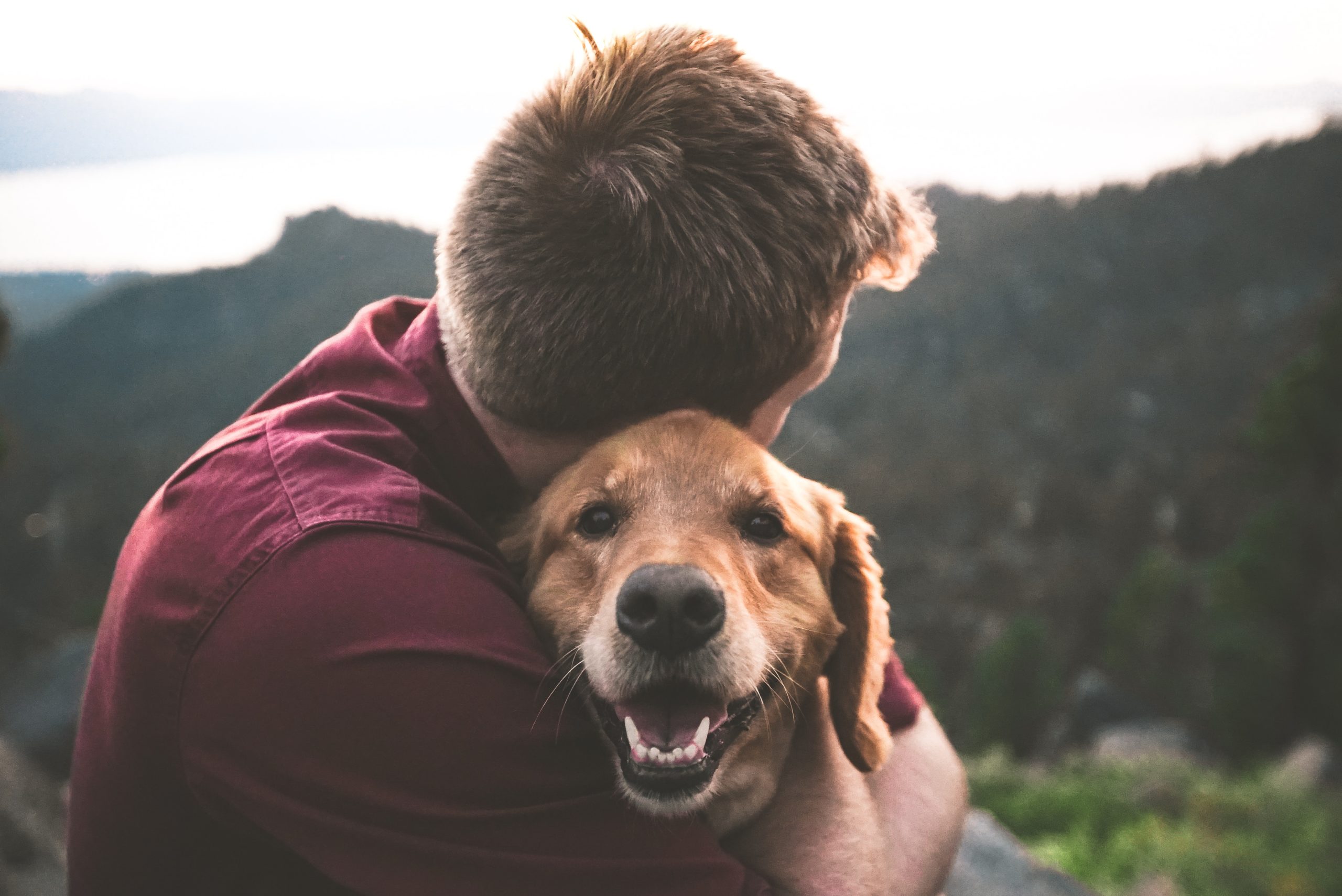
1. Golden Retriever
Golden Retrievers are well known for their friendly, people-focused personalities.
They often enjoy spending time with their families and may seek physical affection after a day of playing, walking, swimming, or retrieving.
A Golden might rest its head on your lap, lean against your legs, or settle beside you on the couch.
Their combination of sociability, playfulness, and affection can make them wonderful companions for people who enjoy having their dog close by.
Just remember that a Golden Retriever is still an active sporting breed. Cuddling may be a favorite activity after they’ve had enough exercise and mental stimulation.
2. Cavalier King Charles Spaniel
The Cavalier King Charles Spaniel was developed primarily as a companion dog, and its affectionate nature is a big part of its appeal.
These small dogs often enjoy sitting beside their owners or curling up on a lap.
Many Cavaliers are also happy simply following their people around the house.
Their small size makes them easy to accommodate on a couch or beside you in a chair, although they still need regular exercise, training, and mental enrichment.
If you want a companion that enjoys being involved in everyday family life, the Cavalier can be a natural fit.
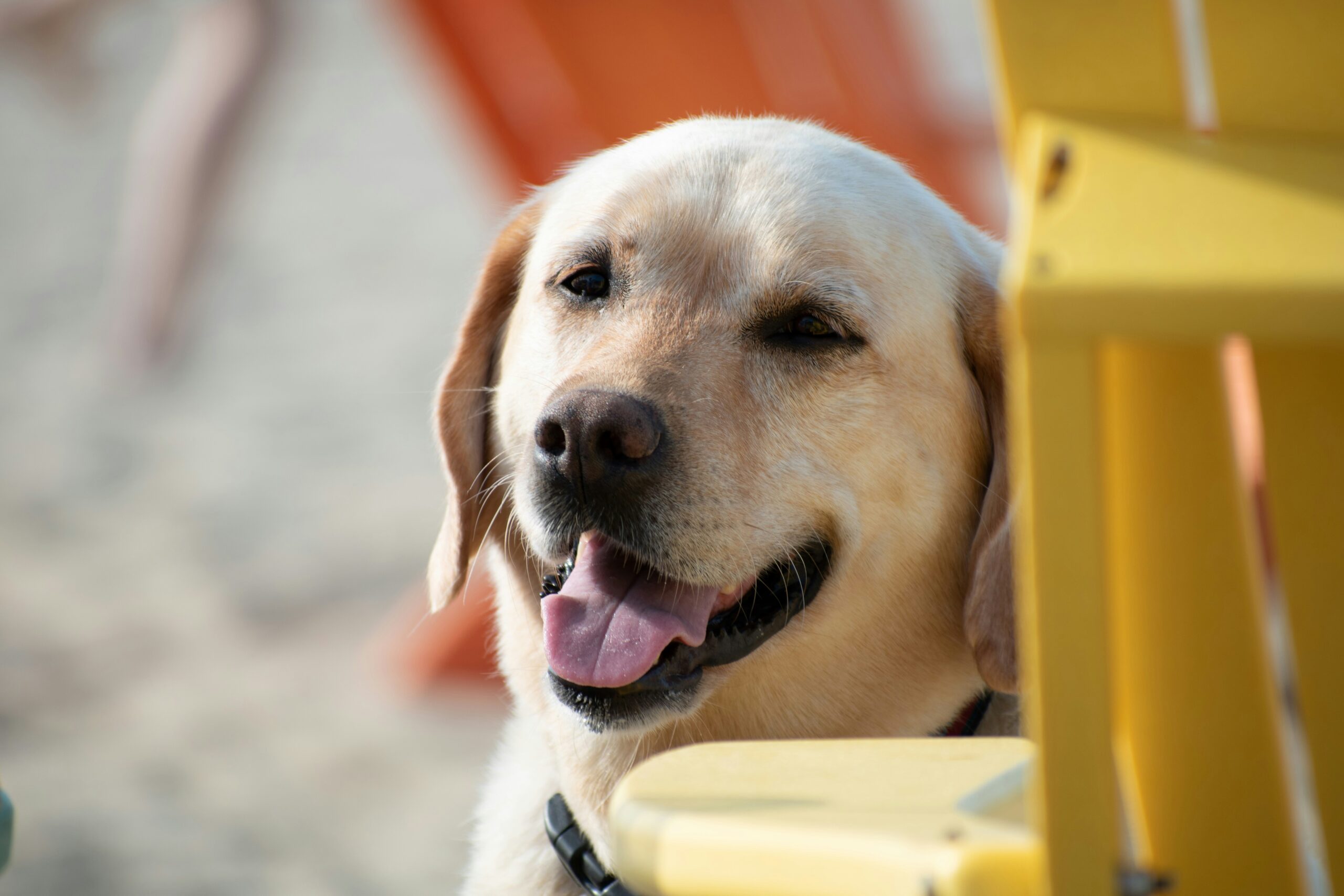
3. Labrador Retriever
Labrador Retrievers are energetic, playful dogs, but that doesn’t mean they don’t appreciate a good cuddle.
After a walk, game of fetch, swim, or training session, many Labs are perfectly happy settling down beside their humans.
Their friendly and outgoing nature often makes them eager to interact with the people they know.
A Labrador may not always fit neatly on your lap, but that probably won’t stop them from trying to get close.
For Lab owners, affection often comes in the form of a large dog leaning against your legs, resting at your feet, or stretching across the couch.
4. Boxer
Boxers have plenty of energy and a playful personality, but they can also form strong bonds with their families.
Many enjoy being physically close to their favorite people and may lean against them or nuzzle for attention.
Their enthusiastic personalities can make affection especially entertaining. One moment your Boxer may be bouncing around the house, and the next they may be looking for a spot beside you.
Boxers do best with plenty of exercise, interaction, and training, so they’re not simply couch companions.
But after they’ve burned off some energy, they’re often happy to relax with their family.
5. Great Dane
Great Danes are famous for being enormous dogs with surprisingly affectionate personalities.
Their size can make ordinary cuddling slightly complicated.
A Great Dane may believe they’re a lap dog even when their body clearly disagrees.
Many enjoy leaning against their owners or resting close by.
Because of their size, owners need to think about furniture, sleeping arrangements, and safe handling. Even a gentle giant can accidentally knock someone over simply because of its weight.
If you have enough space for a giant breed and want a dog that enjoys close family companionship, the Great Dane can be an affectionate household companion.
6. Newfoundland
Newfoundlands combine impressive size with a reputation for being gentle, devoted family dogs.
They often enjoy staying close to their people and may rest their large heads near their owners or settle beside them.
Their thick coats make them wonderfully fluffy, but that same coat requires regular grooming.
Newfoundlands are also large, powerful dogs that need appropriate exercise, space, training, and careful management.
Their affectionate nature is best appreciated when combined with an understanding of the responsibilities that come with owning a giant breed.
7. Dachshund
Dachshunds may be small, but they often have big personalities—and many love getting cozy with their favorite humans.
A Dachshund may burrow underneath a blanket, curl up beside you, or follow you from room to room.
Their long bodies and short legs make them particularly recognizable, but owners should also be mindful of their backs. Activities involving repeated jumping from furniture can place unnecessary strain on a Dachshund’s spine.
Providing comfortable resting areas and managing access to high furniture can be helpful.
With their loyal personalities and love of being near their people, Dachshunds can make enthusiastic little companions.
8. Pug
Pugs are companion dogs that often enjoy spending a great deal of time with their families.
Many are perfectly content sitting beside their owners, resting on a lap, or curling up for a nap.
Their expressive faces and entertaining personalities can make cuddle time particularly amusing.
However, Pugs have a short muzzle and can be vulnerable to breathing difficulties and overheating. They should not be pushed into strenuous activity simply because they seem eager to follow you everywhere.
A comfortable, temperature-controlled environment and sensible exercise are especially important for this breed.
9. Bichon Frise
The Bichon Frise is a small companion breed known for its cheerful and people-oriented nature.
Its soft, curly coat makes the breed look like a little cloud, and many Bichons enjoy being close to their families.
They can be playful and energetic as well as affectionate.
A Bichon may happily play with you and then settle beside you when the activity is over.
Regular grooming is essential for maintaining their coat, so owners should also get puppies accustomed to brushing, handling, and professional grooming from an early age.
10. Staffordshire Bull Terrier
Staffordshire Bull Terriers are muscular, energetic dogs that can be deeply attached to their families.
Despite their strong appearance, individual Staffies may be extremely affectionate with the people they trust.
Some enjoy leaning against their owners, sitting beside them, or seeking physical attention.
They still need appropriate exercise, training, socialization, and responsible handling.
As with any breed, affection toward family doesn’t automatically tell you how an individual dog will respond to unfamiliar people or animals. Early socialization and understanding canine body language are important.
11. Shih Tzu
Shih Tzus were developed as companion dogs, making close human interaction an important part of their history.
Many enjoy sitting beside their owners, relaxing on a lap, or following family members around the house.
Their relatively small size also makes them easy to accommodate in many homes.
However, their long coat requires regular grooming and maintenance. Owners should also make sure their dogs receive appropriate exercise, training, dental care, and veterinary attention.
For someone looking for a small companion that enjoys spending plenty of time with its people, the Shih Tzu can be an appealing choice.
Why Do Some Dogs Love Cuddling?
Breed can influence typical temperament, but it isn’t the only factor.
A dog’s desire for physical affection can also be influenced by:
- Individual personality
- Early socialization
- Past experiences
- Relationship with its owner
- Age
- Environment
- Training
- Current mood
- Physical comfort
Some dogs love being held, while others prefer affection on their own terms.
That’s completely normal.
How Dogs Show Affection Without Cuddling
Don’t assume your dog isn’t affectionate just because they don’t want to sit on your lap.
Dogs can communicate attachment in many ways.
Your dog might:
- Follow you around the house
- Rest near you
- Lean against your legs
- Bring you a favorite toy
- Check on you regularly
- Wag their tail when you return
- Seek gentle petting
- Sleep near you
- Choose to spend time in the same room
For some dogs, simply choosing to remain close is their version of cuddling.
Should You Force Your Dog to Cuddle?
No.
Even dogs that are generally affectionate should be allowed to decide when they want physical contact.
Watch your dog’s body language when you’re petting or hugging them.
If they turn away, become stiff, try to leave, lick their lips repeatedly, or show other signs of discomfort, give them some space.
Teaching children to respect a dog’s boundaries is particularly important.
A dog should never be forced into a hug simply because it belongs to the family.
Choosing an Affectionate Dog
If you’re looking for a cuddly companion, breed characteristics can provide useful information, but they shouldn’t be the only consideration.
Think about:
Energy Level
Some affectionate breeds still need substantial daily exercise.
Size
A giant breed that loves cuddling has very different space requirements from a small lap dog.
Grooming
Long or curly coats may require significant maintenance.
Training
Every dog needs appropriate training regardless of how affectionate it is.
Alone Time
A dog that strongly prefers human company may need careful planning when left alone.
Lifestyle
The best match is one whose exercise, grooming, training, and companionship needs fit your daily routine.
Final Thoughts
Golden Retrievers, Cavaliers, Labradors, Boxers, Great Danes, Newfoundlands, Dachshunds, Pugs, Bichon Frises, Staffordshire Bull Terriers, and Shih Tzus are all known for qualities that can make them affectionate companions.
But there’s no guarantee that every dog of one breed will be a dedicated cuddler.
The individual dog matters just as much.
Whether your dog climbs onto your lap, leans against your legs, follows you from room to room, or simply sleeps nearby, affection can look different from one dog to another.
And sometimes, the best cuddle companion isn’t the dog that demands your lap—it’s the one that quietly chooses to be beside you.
This Article Was Generated By AI.







Leave a comment