



With their fox-like faces, upright ears, athletic bodies, and distinctive curved tails, Carolina Dogs are one of the most unusual dog breeds you may encounter. Often described as a primitive-type breed, they have a fascinating history and a personality that can be both independent and deeply devoted to their families.
Carolina Dogs are generally cautious around unfamiliar people but can form strong bonds with the humans they trust. Their combination of intelligence, curiosity, energy, and independence makes them fascinating companions—but they also need thoughtful training, socialization, exercise, and a secure environment.
If you’re considering bringing home Carolina Dog puppies, this guide will help you understand what daily life with this distinctive breed can look like.
What Does a Carolina Dog Look Like?
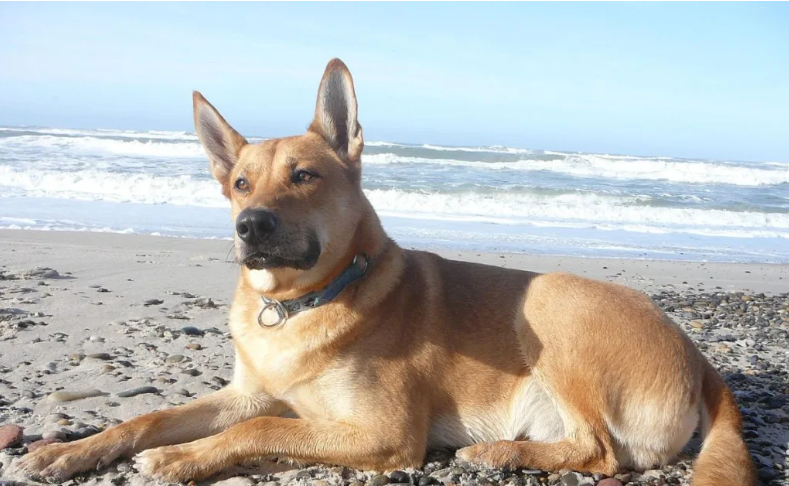
The Carolina Dog is a medium-sized, athletic dog with a lean build and a distinctive appearance.
Common features include:
- Upright, pointed ears
- A relatively long, narrow muzzle
- Almond-shaped eyes
- A short, dense coat
- A curved or fishhook-shaped tail
- Athletic legs and a lightweight frame
- Red, ginger, tan, yellow, or related coat shades, often with lighter markings
Their appearance can remind people of wild canids such as dingoes or jackals. However, a wild-looking appearance does not mean an individual Carolina Dog is a wild animal.
Their personality is shaped by genetics, early experiences, training, socialization, and their individual temperament.
Is a Carolina Dog Right for You?
Before choosing a Carolina Dog puppy, think about whether your lifestyle matches the breed’s needs.
These dogs can be independent and reserved with strangers. They may also have strong instincts to investigate their surroundings, so owners should be prepared to provide secure containment and consistent training.
A Carolina Dog may be a good fit if you:
- Enjoy spending time outdoors
- Can provide regular physical activity
- Have time for training and mental enrichment
- Are willing to work patiently with a cautious dog
- Can provide a secure fenced area when appropriate
- Understand that every dog has its own personality
- Are committed to socialization from puppyhood
First-time owners should not automatically rule out the breed, but they should honestly evaluate their experience, time, training skills, and ability to seek professional help when needed.
What About Apartment Living?
A Carolina Dog does not necessarily require a rural property, but a small home does mean you need to be more deliberate about exercise and enrichment.
Regular walks, sniffing opportunities, training games, play, and other activities can help meet a dog’s physical and mental needs.
The most important question isn’t simply how large your home is. It’s whether you can provide an appropriate lifestyle for the individual dog.
Preparing Your Home for a Carolina Dog Puppy
Puppies investigate the world with their mouths, noses, and paws. Before your new companion arrives, make your home as safe as possible.
Create a Comfortable Puppy Area
Set up a designated area containing:
- A comfortable bed
- Fresh water
- Appropriate puppy toys
- Safe chew items
- Food and feeding equipment
- A crate if you plan to crate train
- A few familiar items that help the puppy settle
The goal is to give your puppy a predictable place where they can rest without being constantly disturbed.
Puppy-Proof the House
Move potentially dangerous items out of reach.
Pay particular attention to:
- Electrical cords
- Small objects
- Cleaning products
- Medications
- Toxic foods
- Trash cans
- Household chemicals
- Unsecured doors and gates
- Items that could be swallowed
Remember that puppies can turn surprisingly ordinary household objects into chew toys.
Introduce the Crate Positively
A crate can provide a useful resting space and help with management and house training when introduced appropriately.
Never use the crate as punishment.
Instead, make it a comfortable place where your puppy can relax, sleep, and enjoy appropriate treats or toys.
Choosing a Responsible Carolina Dog Breeder
If you decide to purchase a puppy rather than adopt, take time to investigate the breeder.
A responsible breeder should be willing to discuss the parents, health history, temperament, puppy care, socialization, and their breeding goals.
Questions to Ask
Ask the breeder:
- How are the puppies raised and socialized?
- What health evaluations have the parents received?
- Can I meet the puppy’s mother?
- What is the temperament of the parents?
- What veterinary care have the puppies received?
- What food are the puppies currently eating?
- What support do you provide after adoption?
- What happens if I can no longer care for the dog?
Be cautious if a seller refuses reasonable questions, will not provide basic information about the puppies, or pressures you into making a quick purchase.
A breeder who cares about the dogs should also want to know whether your home is suitable.
Adoption Is Another Option
You don’t necessarily have to start with a puppy.
Adult Carolina Dogs and Carolina Dog-type dogs may occasionally be available through shelters, foster organizations, and rescue groups.
Adoption can be especially rewarding because you’re giving a dog another opportunity to find a permanent home.
Keep an open mind when looking at shelter dogs. Breed identification based solely on appearance can be difficult, particularly for mixed-breed dogs.
Ask shelter or rescue staff about the dog’s behavior, history, energy level, and compatibility with your household.
Feeding Carolina Dog Puppies
Growing puppies need appropriate nutrition to support development.
Rather than choosing food simply because it is marketed for an “active breed,” select a complete and balanced diet appropriate for your puppy’s life stage.
Your veterinarian can help determine:
- Which food is appropriate
- How much to feed
- How frequently to feed
- How to adjust portions as the puppy grows
- Whether the puppy’s body condition is appropriate
Puppies have different nutritional requirements from adult dogs, so avoid treating feeding as a one-size-fits-all routine.
Fresh water should also be available.
How Much Exercise Does a Carolina Dog Need?
Carolina Dogs are active, curious dogs, but puppies should not be pushed into excessive or repetitive exercise simply because they have plenty of energy.
Instead, combine age-appropriate physical activity with mental stimulation.
Good activities can include:
Sniffing Walks
Allowing a puppy to safely investigate different smells can provide mental enrichment while walking.
Training Games
Short training sessions can tire a puppy mentally without requiring strenuous exercise.
Interactive Toys
Food puzzles and appropriate interactive toys can encourage problem-solving.
Fetch and Play
Short, supervised games can provide exercise and help strengthen your relationship.
Hiking Later in Life
As your dog matures and your veterinarian confirms that longer activity is appropriate, hiking and other outdoor adventures can become excellent ways to keep an active Carolina Dog engaged.
Avoid relying on a fixed number of exercise hours for every Carolina Dog. Age, health, conditioning, weather, and individual temperament all matter.
Training Carolina Dog Puppies
Training is one of the most important parts of raising a confident Carolina Dog.
Because the breed can be independent and reserved, training should focus on cooperation rather than intimidation.
Use Positive Reinforcement
Reward desirable behavior with things your dog values, such as:
- Small treats
- Praise
- Toys
- Play
- Access to something enjoyable
Keep training sessions short and engaging, especially with young puppies.
Start With the Basics
Useful early skills include:
- Responding to their name
- Sit
- Down
- Come
- Leave it
- Drop it
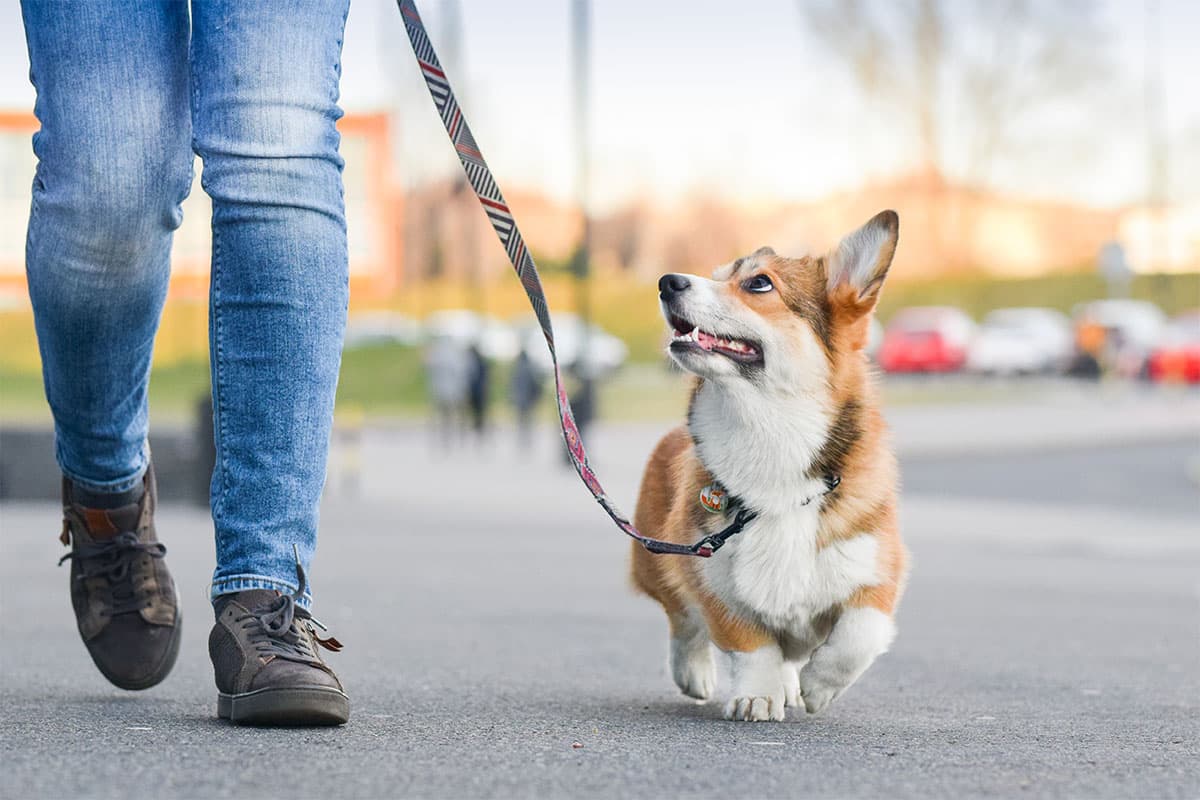
- Walking calmly on a leash
- Settling on a mat
- Handling exercises
- Waiting at doors
Training isn’t only about obedience. It also gives your puppy predictable ways to interact with the world.
Socialization Is Especially Important
A puppy’s early experiences can influence how comfortable they become with unfamiliar people, environments, sounds, surfaces, and other animals.
Carolina Dogs can be cautious with strangers, so thoughtful socialization is particularly valuable.
Introduce your puppy gradually to safe experiences such as:
- Different household sounds
- New surfaces
- Car rides
- Friendly visitors
- Calm, healthy dogs
- Grooming and handling
- Veterinary environments
- Outdoor environments
The goal isn’t to overwhelm the puppy with as many experiences as possible.
Instead, create positive experiences at a pace the puppy can handle.
Remember that temperament varies between individual dogs, even within the same breed.
Understanding Your Carolina Dog’s Body Language
Learning canine body language can help you recognize when your dog is comfortable, curious, uncertain, or overwhelmed.
Pay attention to the entire body rather than interpreting one feature in isolation.
Ears
Upright ears may indicate attention, but ear position should be interpreted together with the dog’s posture, facial expression, and situation.
Tail
A Carolina Dog’s distinctive tail can communicate information through its position and movement, but tail wagging does not automatically mean a dog is happy.
Look at the whole body.
Eyes and Facial Expression
Soft facial muscles and relaxed body posture can indicate comfort, while avoiding eye contact, lip licking, crouching, tucked posture, or attempts to move away may indicate discomfort or stress.
Movement
A dog that suddenly freezes, backs away, hides, or repeatedly attempts to escape an interaction may be asking for more distance.
Respecting those signals can help build trust.
The “Pack Leader” Idea Needs a Modern Approach
Older dog-training advice sometimes describes owners as “pack leaders” who must establish dominance over their dogs.
That approach isn’t necessary.
You don’t need to frighten or dominate your Carolina Dog to earn respect.
Instead, build a predictable relationship through:
- Consistent rules
- Reward-based training
- Clear communication
- Appropriate boundaries
- Management of unwanted behaviors
- Safe socialization
- Trust and cooperation
The goal is not to make your puppy afraid of you. The goal is to teach your dog what behavior works in your household.
Carolina Dogs and Other Pets
Every dog is an individual, and compatibility with other animals cannot be guaranteed simply by breed.
A Carolina Dog’s instincts may make some small animals a poor match for the household.
If you already have another dog or pet, introduce them carefully and supervise interactions.
Never assume that two animals will automatically become friends.
Give each animal a safe place to retreat and avoid leaving dogs and small pets together unsupervised when there is any concern about chasing or predatory behavior.
Grooming a Carolina Dog
One advantage of the Carolina Dog’s short coat is that grooming is relatively straightforward.
A regular brushing routine can help:
- Remove loose hair
- Keep the coat looking healthy
- Give you an opportunity to inspect the skin
- Help your puppy become comfortable with handling
You should also monitor:
- Nail length
- Ear cleanliness
- Teeth and gums
- Skin changes
- Parasites
- Unusual odors or discharge
Bathing is generally needed when the dog becomes dirty or develops an odor rather than according to an arbitrary schedule.
Health Care for Carolina Dog Puppies
Regular veterinary care is an important part of raising any puppy.
Your veterinarian can help create an appropriate schedule for:
- Vaccinations
- Parasite prevention
- Deworming when indicated
- Nutrition
- Growth monitoring
- Dental care
- Spaying or neutering discussions
- General preventive care
Do not assume that a medication is unsafe or safe for a Carolina Dog based solely on internet claims about the breed.
If you are concerned about a particular parasite medication or drug, ask your veterinarian before giving it.
Daily Life With a Carolina Dog
Living with a Carolina Dog can be rewarding because these dogs can be curious, intelligent, observant, and strongly connected to their families.
However, they are not simply decorative pets.
They need opportunities to:
- Explore safely
- Learn
- Exercise
- Rest
- Interact with their people
- Experience new environments gradually
- Use their natural curiosity appropriately
A bored dog may find its own entertainment, which can mean digging, chewing, barking, escaping, or investigating things you’d rather leave alone.
Providing appropriate outlets is usually more effective than simply trying to suppress those behaviors.
Signs Your Carolina Dog May Need More Enrichment
Every dog has different needs, but watch for patterns such as:
- Persistent destructive chewing
- Repeated digging
- Excessive barking
- Constant pacing
- Restlessness
- Attention-seeking behavior
- Attempts to escape
- Difficulty settling
These behaviors don’t automatically mean your dog is bored. Medical issues, fear, anxiety, insufficient training, and other factors can also contribute.
Look at the whole situation before deciding what your dog needs.
Building a Strong Bond With Your Carolina Dog
The strongest relationships are built through everyday experiences.
Try incorporating simple bonding activities into your routine:
- Take relaxed walks together.
- Practice short training sessions.
- Play interactive games.
- Reward calm behavior.
- Give your dog opportunities to sniff and explore safely.
- Learn your dog’s body language.
- Respect your dog’s need for space.
- Provide predictable routines.
- Introduce new experiences gradually.
- Spend quiet time together.
Trust doesn’t appear overnight. It develops through repeated experiences in which your dog learns that you are predictable, fair, and safe.
Carolina Dog Puppy Checklist
Before bringing home a puppy, make sure you have considered:
| Need | What to Prepare |
|---|---|
| Food | Complete and balanced puppy diet |
| Water | Fresh water and suitable bowls |
| Sleeping | Comfortable bed or crate |
| Safety | Puppy-proofed rooms and secure boundaries |
| Training | Treats, leash, collar/harness, basic cues |
| Enrichment | Appropriate toys and puzzle activities |
| Grooming | Brush, nail-care supplies, dog-safe products |
| Veterinary care | Vet appointment and preventive-care plan |
| Identification | Collar/tag and microchip information |
| Socialization | Safe, gradual exposure to new experiences |
| Exercise | Age-appropriate walks and play |
| Emergency plan | Vet contact and basic emergency supplies |
Frequently Asked Questions About Carolina Dog Puppies
Are Carolina Dogs good family pets?
They can be devoted family companions, but individual temperament matters. Their tendency to be cautious with unfamiliar people means families should take socialization and respectful handling seriously.
Are Carolina Dogs difficult to train?
They can be independent, so training may require patience and consistency. Reward-based methods can make learning more engaging and help build cooperation.
Are Carolina Dogs aggressive?
Being cautious or reserved around strangers is not the same as being aggressive. Individual behavior varies, and responsible socialization and training are important.
Can Carolina Dogs live with other dogs?
Some can live successfully with other dogs, especially when introductions are handled carefully. Compatibility depends on the individual dogs, their social skills, environment, and supervision.
Are Carolina Dogs good for first-time owners?
They can require more thoughtful management than some highly outgoing companion breeds. First-time owners should honestly assess whether they have the time, patience, and willingness to learn about canine behavior and training.
Do Carolina Dogs need a large yard?
A secure yard can be helpful, but a yard alone does not replace walks, training, enrichment, and interaction with their people.
Are Carolina Dogs easy to groom?
Their short coat generally makes grooming relatively manageable. Regular brushing, nail care, dental care, and routine health checks are still important.
Final Thoughts
Carolina Dog puppies are undeniably distinctive. Their fox-like appearance, alert expression, athletic nature, and reserved personality make them stand out from many other breeds.
But their unusual appearance is only part of the story.
A Carolina Dog needs an owner who is prepared to provide thoughtful socialization, positive training, appropriate exercise, mental enrichment, veterinary care, and secure management.
Instead of trying to control your puppy through dominance, focus on communication, consistency, and trust. Give your dog appropriate outlets for its curiosity and energy while respecting its individual personality.
With the right environment and responsible care, a Carolina Dog can become a loyal companion and an enthusiastic partner for everyday adventures.
This Article Was Generated By AI.





Leave a comment