




Dogs may be adaptable, but many feel more comfortable when they know what to expect from their day. Regular mealtimes, walks, play sessions, training, and rest can give dogs a sense of stability and make everyday life easier to navigate.
Some breeds, particularly those bred for close cooperation with people or those that enjoy predictable activities, may do especially well with a consistent routine. A reliable schedule can also make training, exercise, and household expectations easier to understand.
Here are 13 dog breeds that often appreciate having a predictable daily rhythm.
1. Labrador Retriever
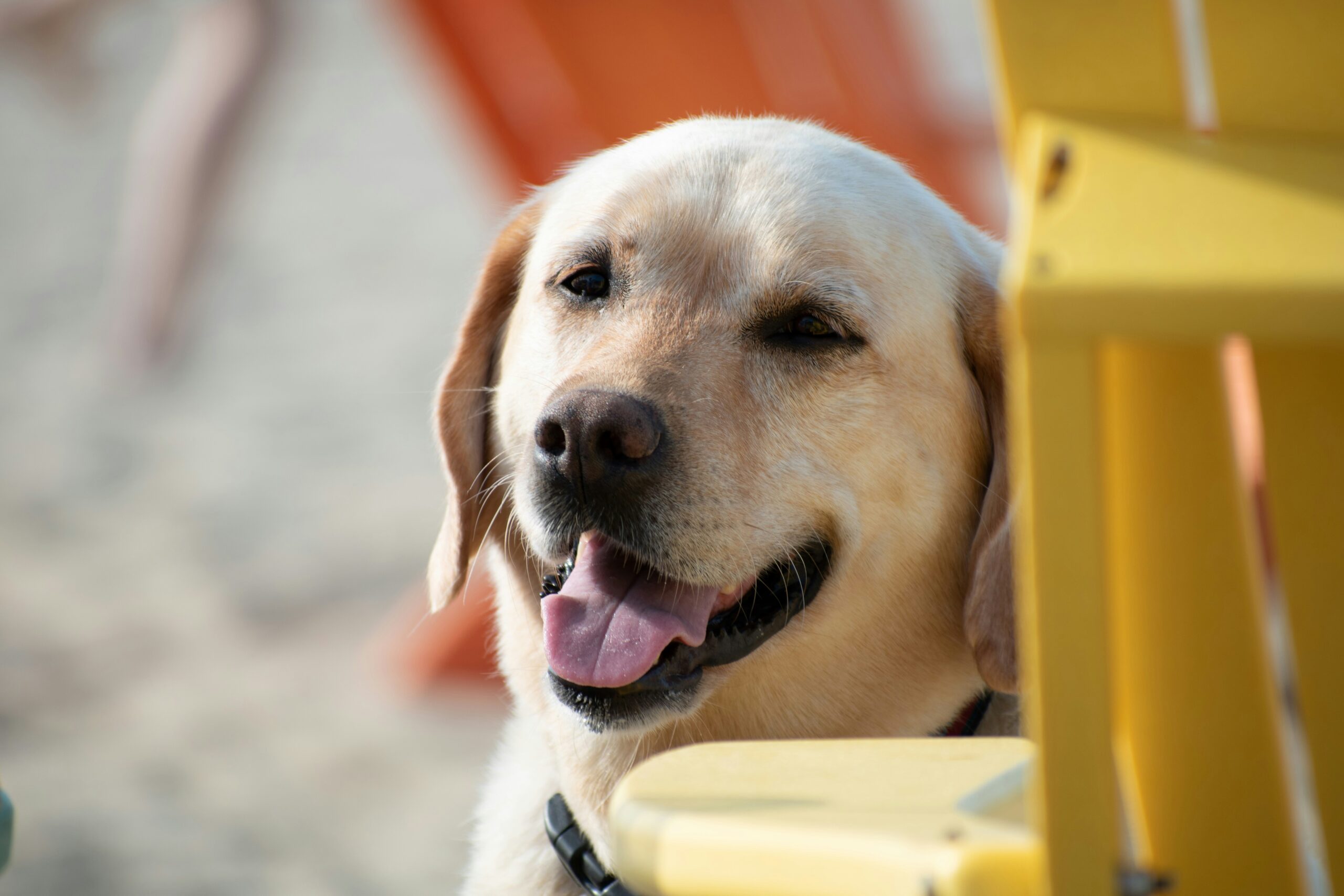
Labrador Retrievers are friendly, energetic, and highly trainable dogs that often do well when their days have some structure.
A consistent schedule can help a Labrador understand when it is time for walks, meals, training, play, and relaxation. Because they tend to enjoy both physical activity and interaction with their people, having regular opportunities for each can help prevent boredom.
Labradors don’t need every minute of their day planned, but a predictable routine can give them useful outlets for their energy and enthusiasm.
2. Golden Retriever
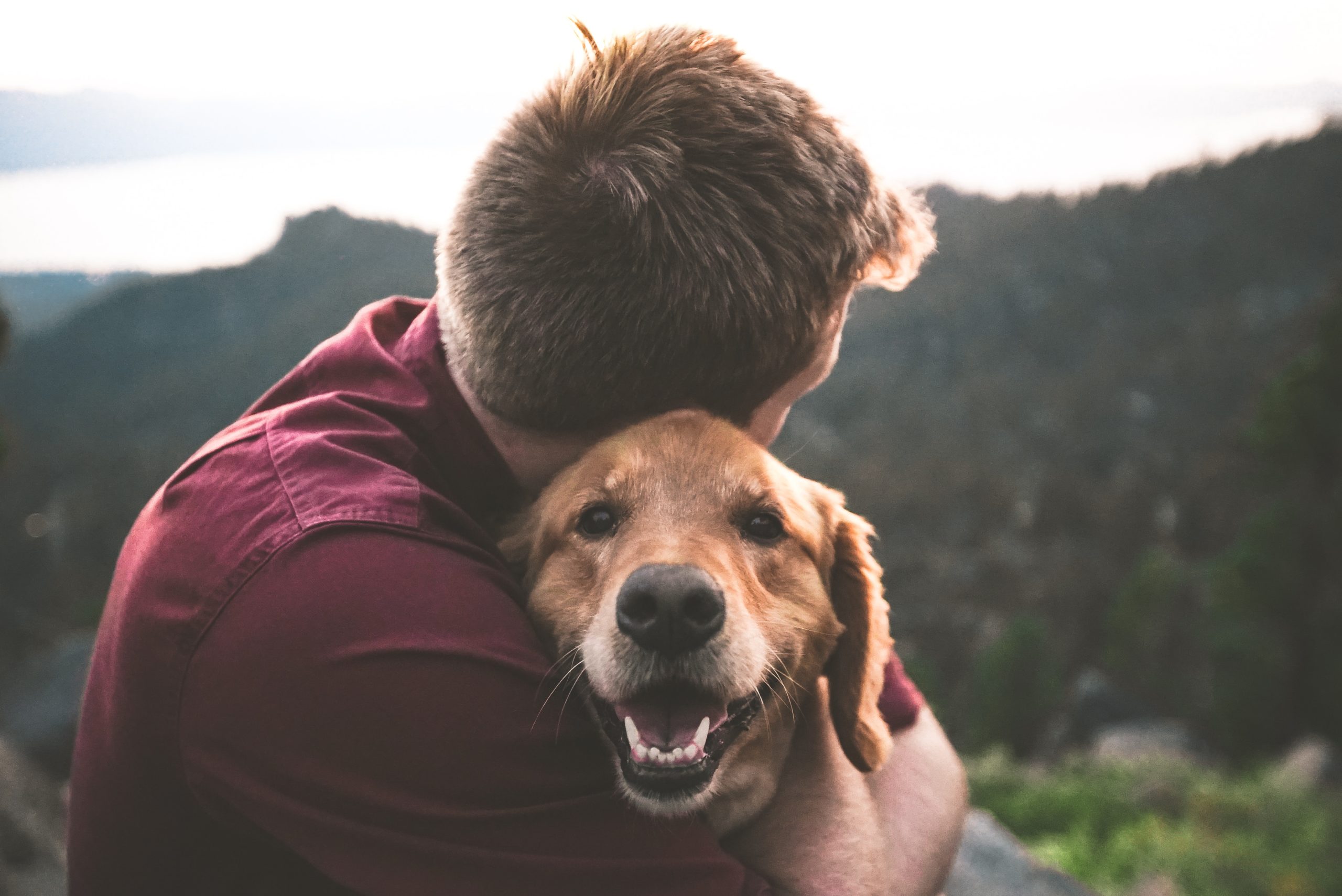
Golden Retrievers are affectionate, intelligent, and eager to participate in family life. They often enjoy knowing when their favorite activities are going to happen.
Regular walks, meals, playtime, training, and quiet periods can create a comfortable rhythm for a Golden Retriever. Consistency can also make it easier to reinforce household rules and training.
These dogs can certainly handle changes, but giving them a dependable routine can help them settle into everyday family life.
3. Border Collie
Border Collies are among the most intelligent and energetic working breeds, and they generally benefit from having purposeful activities built into their day.
A routine for a Border Collie should include much more than physical exercise. Training, problem-solving games, scent activities, obedience work, and other forms of mental stimulation are important too.
Without enough structure and engagement, an intelligent Border Collie may look for its own entertainment. A consistent schedule gives this breed appropriate ways to use its remarkable energy and working instincts.
4. Shih Tzu
Shih Tzus may be small companion dogs, but they can still appreciate a predictable daily rhythm.
Regular mealtimes, walks, grooming, play, and rest can help a Shih Tzu understand what to expect throughout the day. Their routine doesn’t have to be demanding; instead, it should provide consistency while leaving room for relaxation.
A structured household can be particularly useful for establishing good habits such as regular bathroom breaks, grooming sessions, and calm periods.
5. Cocker Spaniel
Cocker Spaniels are affectionate, active, and people-oriented dogs that can benefit from a consistent schedule.
Regular walks and play provide opportunities for exercise, while training and interactive activities give them mental stimulation. Keeping meals and daily activities relatively predictable can also help establish good habits.
A routine doesn’t mean a Cocker Spaniel should never experience anything new. Instead, a stable foundation can make occasional changes easier to manage.
6. Dachshund
Dachshunds are curious, determined, and often surprisingly energetic for their small size. Their independent streak makes consistency particularly useful when establishing household rules.
A Dachshund can benefit from predictable meal times, regular walks, training sessions, and plenty of opportunities to sniff and explore safely.
Because of their long backs, activities should be chosen with their physical structure in mind. Excessive jumping and situations that put unnecessary strain on the spine should be avoided.
A steady routine can also help prevent a Dachshund from becoming bored and inventing its own activities around the house.
7. Great Dane
Great Danes are famous for their enormous size, but many are gentle, affectionate companions that appreciate a calm and predictable lifestyle.
A consistent schedule can include regular meals, appropriate walks, training, relaxation, and plenty of downtime. Because of their size, managing activity levels and providing comfortable rest periods are especially important.
A Great Dane doesn’t need a hectic schedule. In many cases, a calm routine with predictable activity and quiet time can suit this gentle giant well.
8. Australian Shepherd
Australian Shepherds are intelligent herding dogs that often thrive when their day has a purpose.
Their ideal routine may include exercise, obedience training, interactive games, and activities that challenge their minds. Simply providing a walk may not be enough for every Australian Shepherd.
Because they are highly trainable and often eager to work with their owners, a predictable schedule can help channel their energy into productive activities.
Keeping an Aussie mentally engaged can also reduce the likelihood of boredom-related behaviors.
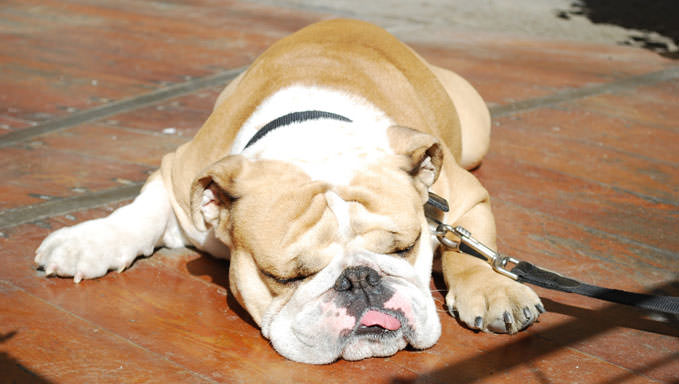
9. French Bulldog
French Bulldogs are playful, affectionate companion dogs that often enjoy having a familiar rhythm to their day.
Regular meals, short walks, play sessions, and rest periods can provide useful structure. Their exercise routine should be appropriate for their individual fitness level, particularly because their short-muzzled anatomy can make overheating and strenuous exercise concerns.
A predictable schedule can help a French Bulldog know when it’s time to play and when it’s time to settle down.
10. Pug
Pugs are affectionate, social dogs that often enjoy spending time with their people. They can also become comfortable with familiar daily patterns.
A routine might include meals at consistent times, short walks, indoor games, training, and plenty of rest.
Because Pugs can be sensitive to heat and strenuous exercise, their daily activity should be moderate and weather-appropriate. A structured routine makes it easier to balance activity with adequate downtime.
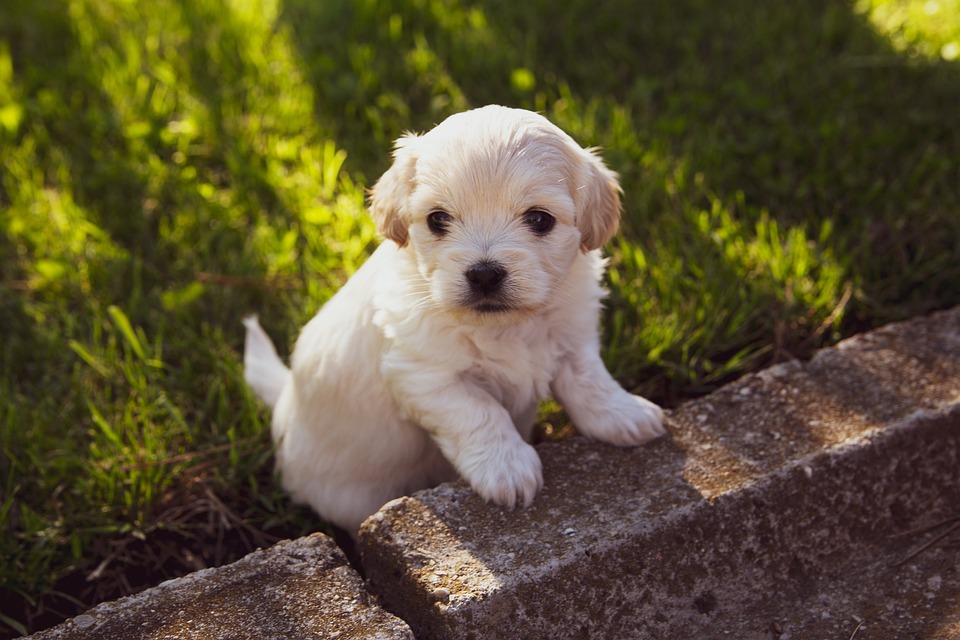
11. Havanese
Havanese dogs are cheerful, affectionate companion dogs that generally enjoy being involved in their family’s daily activities.
A predictable routine can include meals, walks, play, grooming, training, and quiet time with their people. Consistency can also make training and household expectations easier to establish.
Because Havanese are people-oriented, their routine should include meaningful interaction rather than simply leaving them to entertain themselves.
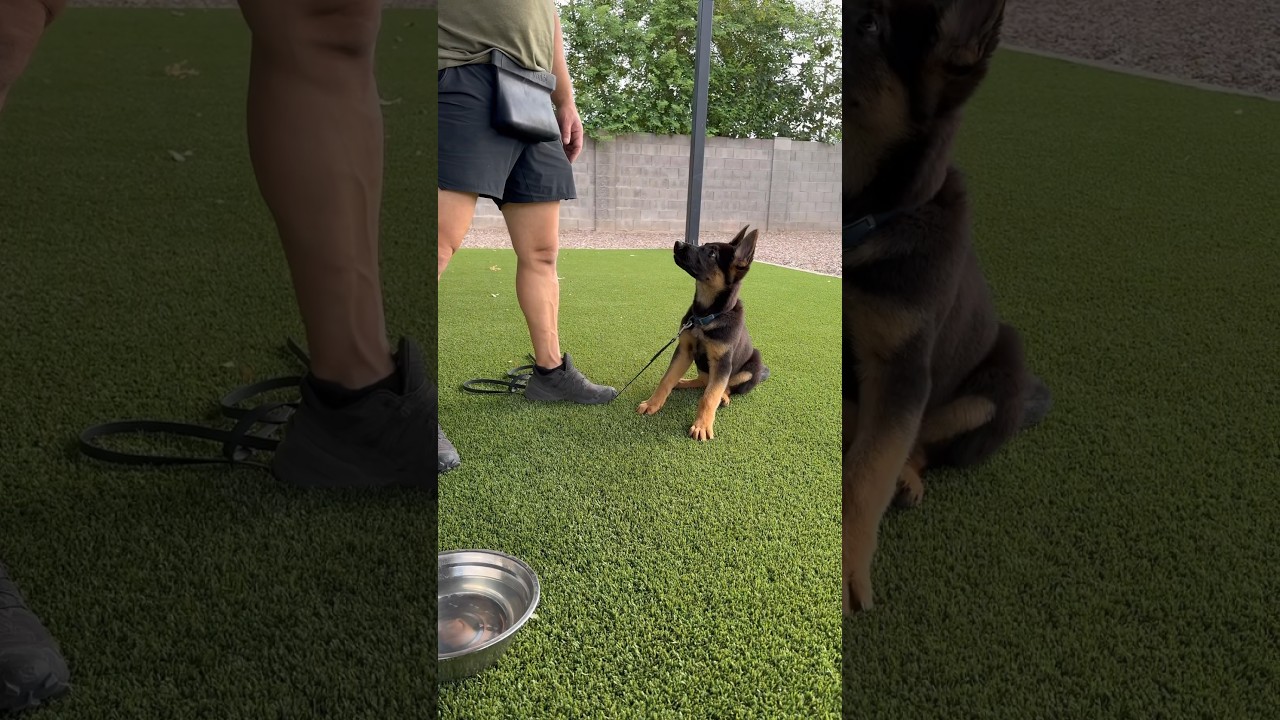
12. German Shepherd
German Shepherds are intelligent working dogs that often benefit greatly from having structure and clear expectations.
A consistent routine can include obedience practice, physical exercise, scent work, enrichment, and time to relax. These dogs tend to enjoy having a job to do, even when that “job” is simply practicing skills with their owner.
Predictable rules and regular training can help a German Shepherd understand what is expected while giving its considerable intelligence an appropriate outlet.
13. Shetland Sheepdog
Shetland Sheepdogs, or Shelties, are intelligent herding dogs known for their responsiveness and willingness to learn.
They often do well when their days include a combination of exercise, training, play, and relaxation. Repeating familiar activities can help establish good habits while giving them opportunities to use their minds.
Short training sessions, interactive games, and regular walks can all fit nicely into a Sheltie’s daily routine.
Why Do Dogs Benefit From Routine?
A predictable schedule can make everyday life easier for many dogs.
When important activities happen at relatively consistent times, dogs can learn what to expect. This can be useful for:
- Feeding and bathroom schedules
- Exercise and play
- Training
- Grooming
- Rest and bedtime
- Alone-time practice
- Household rules
Routine can also make changes easier to identify. If a dog suddenly behaves differently despite having the same schedule, the change may be worth paying attention to.
Does Every Dog Need the Same Routine?
No. A routine should be adapted to the individual dog.
Age, health, energy level, temperament, training, and lifestyle all affect how much structure a dog needs. A young working breed may need several active and mentally stimulating periods each day, while a senior companion dog may prefer a slower schedule with more rest.
Routine also doesn’t mean doing exactly the same thing every day.
Dogs should still have opportunities to experience different environments, people, safe activities, and new smells. The goal is to provide a dependable foundation rather than make life completely predictable.
How to Create a Healthy Daily Routine for Your Dog
You don’t need a complicated timetable. Start with a few consistent anchors throughout the day.
Morning
Begin with a bathroom break followed by breakfast and appropriate exercise. Depending on your dog’s needs, this could include a walk, play session, or short training session.
Afternoon
Provide another opportunity for exercise, enrichment, or interaction. Puzzle toys, scent games, short training sessions, and supervised play can help prevent boredom.
Evening
Offer another meal if your dog’s feeding schedule calls for it, followed by exercise and family time. Gradually transition into a quieter environment before bedtime.
Bedtime
Try to keep the sleeping area comfortable and consistent. A familiar bedtime routine can help your dog recognize when the active part of the day is ending.
Signs Your Dog Enjoys a Routine
A dog that is comfortable with its daily schedule may:
- Settle more easily at home
- Anticipate familiar activities
- Respond consistently to household cues
- Show enthusiasm for walks or training
- Have more predictable bathroom habits
- Relax after exercise and play
- Adapt more easily when small changes occur
These aren’t guarantees that a dog is happy or healthy, but they can indicate that the daily schedule is working well for that individual.
What If Your Dog’s Routine Has to Change?
Life doesn’t always follow a schedule. Vacations, visitors, work changes, appointments, and unexpected events can disrupt your dog’s normal day.
When possible, introduce changes gradually. Keep important elements such as meals, bathroom breaks, exercise, and bedtime reasonably consistent even when other parts of the day change.
For dogs that struggle with transitions, rewarding calm behavior and maintaining familiar routines around the change may help.
Final Thoughts
Many dogs appreciate knowing what comes next, and some breeds may particularly enjoy a structured lifestyle. Labrador Retrievers, Golden Retrievers, Border Collies, Shih Tzus, Cocker Spaniels, Dachshunds, Great Danes, Australian Shepherds, French Bulldogs, Pugs, Havanese, German Shepherds, and Shetland Sheepdogs can all thrive when their physical, mental, and social needs are consistently met.
The key is not to create a rigid schedule that never changes. Instead, give your dog a dependable daily foundation while allowing enough flexibility for new experiences and normal life.
A good routine should make life easier for both you and your dog—and leave plenty of room for walks, play, learning, affection, and relaxation.








Leave a comment