






The idea of keeping an unusual animal as a pet can be fascinating.
Some people are drawn to animals that look completely different from ordinary household companions. Others are fascinated by wildlife and want to experience living alongside an exotic species.
But there is an important difference between an animal being fascinating and an animal being suitable for life in a home.
Wild animals retain physical abilities, instincts, behaviors, and environmental needs that can make private ownership extremely challenging. Even an animal that appears calm around its owner can become dangerous when frightened, stressed, sick, sexually mature, territorial, or simply behaving normally for its species.
The risks aren’t limited to bites and scratches, either. Some exotic animals require enormous amounts of space, specialized diets, secure containment, veterinary expertise, and highly controlled environments.
The following animals are examples of species that can present serious risks when kept privately.
1. Tigers
A tiger may look magnificent and even affectionate when raised around humans, but it remains a large wild predator.
Adult tigers possess enormous strength, powerful jaws, sharp claws, and predatory instincts. A seemingly playful interaction can become dangerous simply because the animal is capable of causing catastrophic injury.
Their needs also go far beyond what a typical home can provide.
Tigers require substantial space, specialized nutrition, secure enclosures, enrichment, and expert veterinary care. As they mature, their size and behavior can make them increasingly difficult to manage safely.
In the United States, federal law has significantly restricted private ownership of tigers and other specified big cats. The Big Cat Public Safety Act prohibits private possession and breeding of covered big cats except under specific exceptions, with limited provisions for qualifying pre-existing animals.
A tiger may be beautiful, but beauty doesn’t make a wild predator domesticated.
2. Alligators
Alligators may spend much of their time appearing slow and inactive, but they are powerful predators capable of inflicting severe injuries.
Their jaws are designed for grabbing and holding prey, and their strength becomes especially concerning when a person gets too close.
An alligator also isn’t a small reptile that can simply live in a backyard enclosure.
As it grows, it requires substantial space, appropriate water conditions, temperature management, secure containment, and specialized care.
Even a young alligator can eventually become an animal that its owner is physically incapable of controlling.
3. Venomous Snakes
Cobras, vipers, mambas, rattlesnakes, and other venomous snakes are among the most obvious examples of animals that can create serious risks in private homes.
The danger isn’t necessarily that every venomous snake is constantly aggressive.
The problem is that a defensive bite can have life-threatening consequences.
A snake can react to handling, sudden movement, enclosure maintenance, feeding, illness, or feeling threatened.
Keeping venomous reptiles also creates risks for other people. A loose snake, an unsecured enclosure, or an accidental escape can turn a private ownership decision into a public safety issue.
For these reasons, venomous reptiles are subject to strict regulations in many jurisdictions.
4. Wolves
Wolves are sometimes mistaken for unusually wild-looking dogs.
They aren’t simply dogs with more intense personalities.
Wolves have different behavioral needs and social structures from domestic dogs, and generations of domestication have changed dogs in ways that make them much better suited to living alongside humans.
A wolf may be intelligent and capable of forming relationships with people, but that doesn’t make it domesticated.
Challenges can include:
- Strong prey-drive behaviors
- Complex social needs
- Territorial behavior
- Large space requirements
- Powerful physical abilities
- Escape potential
- Difficulty adapting to ordinary household routines
Wolf-dog hybrids can create additional complications because their behavior can vary considerably depending on genetics, upbringing, and individual temperament.
5. Chimpanzees
Chimpanzees are extraordinarily intelligent and fascinating animals.
That intelligence, however, doesn’t make them suitable household pets.
Chimpanzees are physically powerful and socially complex. An adult chimpanzee can be much stronger than a human might expect from its size, and normal behaviors such as play, exploration, competition, or social conflict can become dangerous in a household environment.
Young chimpanzees may appear manageable because they are smaller and can seem affectionate.
The situation can change dramatically as the animal matures.
Chimpanzees also require complex social, environmental, nutritional, and behavioral care that is extremely difficult to provide in a private home.
6. Lions and Other Big Cats
Tigers aren’t the only big cats that can pose serious risks.
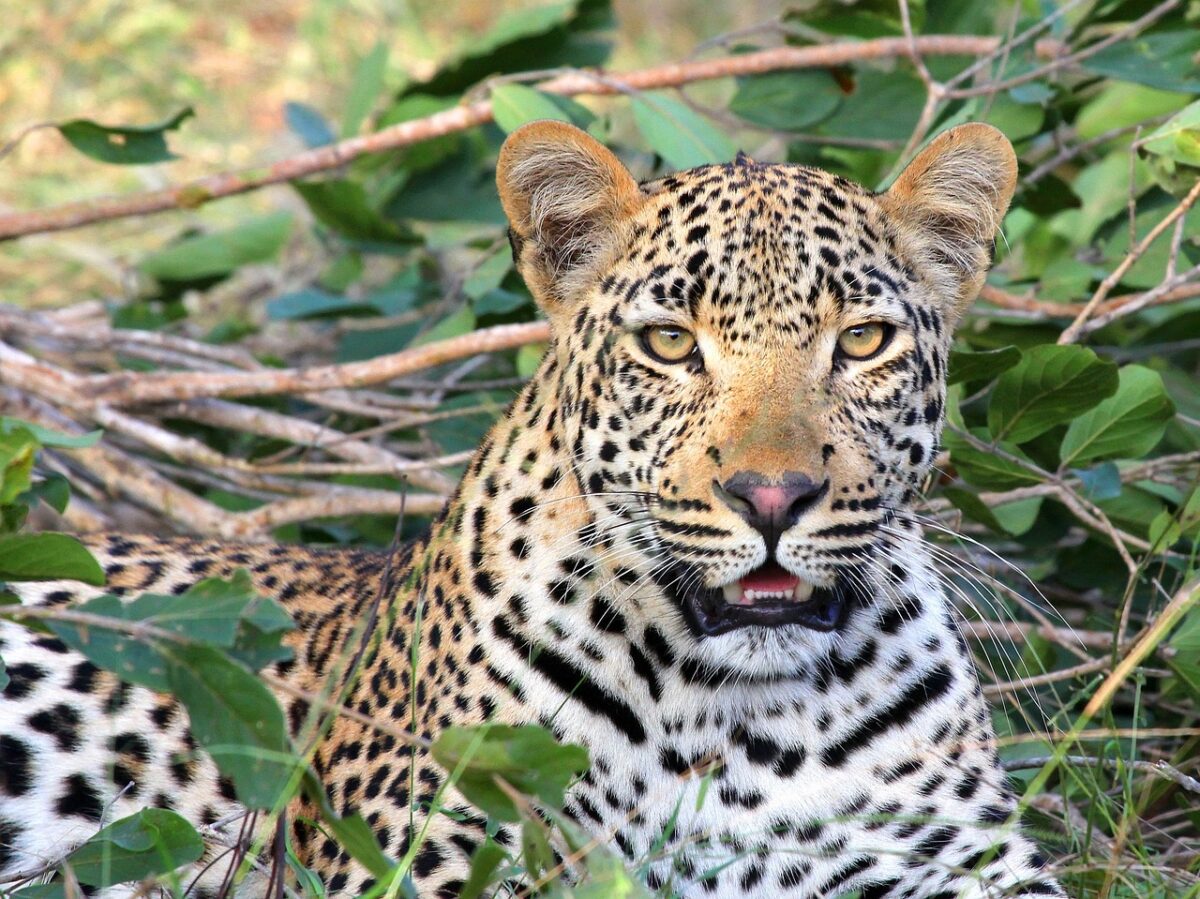
Lions, leopards, jaguars, cougars, snow leopards, and other large felids possess the physical equipment of wild predators.
Their claws, teeth, speed, strength, and hunting behaviors aren’t removed simply because an individual animal has been raised around humans.
In the United States, the federal Big Cat Public Safety Act covers lions, tigers, leopards, snow leopards, clouded leopards, jaguars, cheetahs, cougars, and hybrids of those species, subject to specified exceptions.
The law was enacted in December 2022 and significantly changed the rules surrounding private big-cat ownership.
Beyond legal restrictions, there is a fundamental husbandry problem: providing a large predator with appropriate space, enrichment, diet, veterinary care, and secure containment is vastly different from caring for a domestic cat.
7. Bears
Bears can look surprisingly approachable in photographs and videos, particularly when they are young.
But an adult bear is an enormously powerful wild animal.
Depending on the species, bears can weigh hundreds of pounds and possess tremendous strength, claws, teeth, and physical power.
They are also intelligent, curious, and capable of learning how to access food and overcome barriers.
A bear that has become accustomed to humans may actually create additional problems because it may lose some natural caution around people.
Keeping one privately can therefore create risks for both the owner and everyone nearby.
8. Crocodiles
Crocodiles share many of the same concerns as alligators but can present additional challenges depending on the species.
They are large aquatic predators with powerful jaws and strong bodies.
Their behavior can be difficult for an inexperienced owner to interpret, particularly when the animal is stressed, feeding, defending territory, or responding to movement near the water.
A crocodile also requires an enclosure designed around its adult size rather than its size when purchased.
That means a reptile that seems manageable as a young animal can eventually become an enormous containment challenge.
9. Hyenas
Hyenas are often misunderstood because popular culture frequently portrays them as little more than scavengers.
In reality, hyenas are complex predators with powerful jaws, sophisticated social behavior, and specialized adaptations.
They are not domesticated dogs with unusual appearances.
A hyena requires appropriate space, diet, enrichment, social management, and expert care. Its physical strength and behavioral needs make private ownership extremely demanding.
An owner who expects a hyena to behave like a conventional companion animal could quickly find themselves dealing with behaviors they aren’t equipped to manage.
Their intelligence also means that ordinary household containment may not be enough.
10. Venomous Scorpions
Not every scorpion is equally dangerous.
Some species are relatively less medically significant, while others possess venom capable of causing severe symptoms.
The biggest mistake is assuming that a small animal is automatically a low-risk animal.
Scorpions can sting when they feel threatened, restrained, or accidentally disturbed.
Even if the animal is kept in a secure enclosure, there can be risks during enclosure cleaning, feeding, maintenance, or an accidental escape.
Anyone considering a venomous arthropod should also investigate local laws and whether appropriate medical treatment is readily available in their area.
11. Poison-Dart Frogs
Poison-dart frogs are a particularly interesting example because their reputation can be more complicated than it first appears.
Some wild poison-dart frogs possess extremely potent skin alkaloids. Certain species of the genus Phyllobates, for example, can contain batrachotoxins that interfere with nerve and muscle function.
But the common claim that every captive poison-dart frog remains dangerously poisonous is misleading.
Research has shown that many poison frogs obtain their defensive alkaloids from dietary sources. Captive-raised individuals kept on typical laboratory or captive diets may lack detectable levels of some of these toxins.
That doesn’t mean exotic frogs should be handled casually.
They still require specialized husbandry, and their wild counterparts can be highly toxic. Their small size should never be confused with universal safety.
Why Are Wild Animals So Difficult to Keep as Pets?
The biggest problem isn’t necessarily that every exotic animal is constantly aggressive.
It’s that wild animals have not been selectively bred for ordinary human companionship in the same way domestic dogs and cats have.
Their natural behaviors can include:
- Hunting
- Territorial defense
- Escape attempts
- Resource guarding
- Complex social interactions
- Defensive behavior
- Reproductive behaviors
- Specialized feeding
- Powerful physical responses
A behavior that is completely normal for the animal can become dangerous when it occurs inside a house, backyard, or small enclosure.
Raising an Animal From a Baby Doesn’t Make It Domesticated
One of the most common misconceptions about exotic pets is:
“If I raise it from birth, it will be safe.”
Hand-raising can make an animal accustomed to humans, but that is not the same as domestication.
Domestication is a population-level process that occurs over many generations through selective breeding.
A hand-raised tiger is still a tiger.
A hand-raised wolf is still a wolf.
A hand-raised chimpanzee is still a chimpanzee.
The animal may become comfortable around its caregiver, but its underlying species-specific behaviors and physical capabilities remain.
Why Young Exotic Animals Can Be Misleading
Baby animals are often easier to handle than adults.
They are smaller, less physically powerful, and may be dependent on their caregivers.
That can create a false sense of security.
As an exotic animal matures, its:
- Size
- Strength
- Sexual maturity
- Territorial behavior
- Dietary needs
- Space requirements
- Social needs
- Natural behaviors
can change substantially.
Someone who purchases a cute baby animal may eventually discover that they are caring for an adult wild animal with needs they cannot realistically meet.
Exotic Pets Can Also Be a Public Safety Issue
The consequences of keeping dangerous wildlife aren’t limited to the owner.
An escaped animal can endanger neighbors, children, pets, emergency responders, and the animal itself.
The CDC advises people to keep their distance from wildlife and specifically says not to keep wild animals as pets. It also notes that close contact with wildlife can result in injury and disease transmission.
This is one reason secure containment and appropriate legal oversight are so important when wildlife is kept in captivity.
The Animal’s Welfare Matters Too
Safety isn’t the only concern.
Large predators, primates, reptiles, and other exotic animals have specialized physical and behavioral needs.
A cage may prevent an animal from escaping, but that doesn’t automatically mean the animal has an appropriate environment.
A suitable captive environment may require:
- Appropriate space
- Species-specific nutrition
- Environmental enrichment
- Temperature and humidity control
- Veterinary expertise
- Social opportunities
- Safe shelter
- Natural behaviors
- Proper handling protocols
Meeting those requirements can be far beyond the capabilities of an ordinary household.
Check the Law Before Considering an Exotic Animal
Exotic-animal laws vary dramatically between countries, states, provinces, counties, and municipalities.
An animal may be:
- Completely prohibited
- Allowed only with a permit
- Allowed only under specific conditions
- Restricted by enclosure requirements
- Regulated under wildlife laws
- Subject to federal restrictions
- Legal in one jurisdiction but prohibited in another
For example, U.S. federal law now imposes significant restrictions on covered big cats under the Big Cat Public Safety Act, while state and local rules can add additional restrictions.
Never assume that an animal is legal simply because someone else owns one.
Check the rules that apply specifically to your location before acquiring any exotic species.
Are All Exotic Pets Dangerous?
No.
“Exotic pet” covers an enormous range of animals, and risk varies greatly by species and individual circumstances.
A small nonvenomous reptile isn’t comparable to a tiger.
A captive-bred frog isn’t automatically comparable to a venomous snake.
However, the more physically powerful, venomous, unpredictable, or specialized an animal is, the greater the potential consequences of an accident.
The important question isn’t simply whether an animal can be kept in captivity.
It’s whether a private household can safely and responsibly meet its needs.
Better Ways to Appreciate Wild Animals
You don’t need to own wildlife to appreciate it.
People can learn about exotic species through:
- Accredited zoos
- Wildlife sanctuaries
- Conservation organizations
- Wildlife documentaries
- Responsible educational programs
- Photography
- Nature reserves
- Animal research and conservation projects
These options allow people to appreciate remarkable animals without turning them into household pets.
Final Thoughts
The idea of owning a tiger, wolf, bear, crocodile, or another unusual animal may sound exciting, but the reality is dramatically more complicated than many social-media videos suggest.
Wild animals don’t stop being wild because they live with humans.
Tigers remain predators. Wolves retain species-specific behaviors. Bears remain incredibly powerful. Chimpanzees remain socially and physically complex. Venomous species retain their ability to injure people.
Some exotic animals can also be difficult to keep legally and ethically.
The safest approach is to respect these animals for what they are and recognize that being fascinated by wildlife doesn’t mean you need to own it.
For both people and animals, the right environment is often one where wildlife can be cared for by appropriately trained professionals rather than treated like an ordinary household pet.
This Article Was Generated By AI.










Leave a comment