



For many older adults, having a dog can provide companionship, routine, affection, and plenty of enjoyable moments throughout the day. A small dog can be especially appealing because they are generally easier to accommodate in smaller homes and may be easier to handle physically than a large breed.
But size alone doesn’t determine whether a dog is a good match for a senior.
Some small breeds are energetic, vocal, or grooming-intensive, while others may have significant health considerations. The best choice depends on the individual dog’s temperament and how well its exercise, grooming, training, and care requirements fit the owner’s lifestyle.
If you’re looking for a small companion that enjoys staying close to its people, these 12 breeds are worth considering.
1. Shih Tzu
Shih Tzus were developed as companion dogs, and many enjoy spending a great deal of time with their families.
Their small size can make them convenient companions for people who prefer a dog that doesn’t require a large living space. Many Shih Tzus enjoy relaxing beside their owners and can be happy with moderate daily activity.
They still need regular walks, play, and mental stimulation, but they generally aren’t looking for hours of intense exercise.
One important consideration is grooming. Their long, flowing coats require regular maintenance unless kept in a shorter trim.
For a senior who enjoys a close companion and is prepared for grooming responsibilities, a Shih Tzu can be a wonderful household dog.
2. Cavalier King Charles Spaniel
The Cavalier King Charles Spaniel is a small companion breed known for its affectionate and sociable personality.
Many Cavaliers enjoy being close to their owners and participating in everyday family life. They can be equally happy going for a gentle walk, playing indoors, or relaxing beside someone on the sofa.
Their friendly nature can make them appealing to seniors looking for a companion that enjoys human interaction.
However, Cavaliers aren’t completely maintenance-free. They need regular exercise, grooming, training, and veterinary care, and prospective owners should learn about health conditions that can affect the breed.
Meeting an individual dog and discussing health considerations with a responsible breeder or rescue organization is important.
3. Maltese
The Maltese is a tiny companion breed with a lively and affectionate personality.
Despite their delicate appearance, these dogs can be playful and surprisingly energetic. They often enjoy being close to their owners and may happily settle beside them after a play session or walk.
Their small size makes them relatively easy to accommodate in many homes.
The Maltese coat does require regular grooming, especially if kept long. Owners who prefer less daily coat maintenance can discuss shorter grooming styles with a professional groomer.
A Maltese may be a good choice for someone who wants a small, interactive companion and doesn’t mind keeping up with grooming.
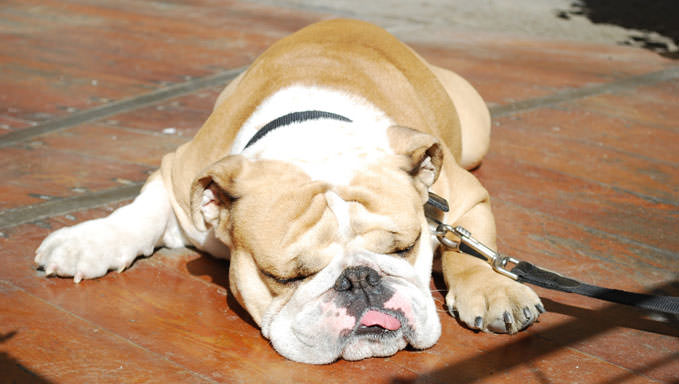
4. French Bulldog
French Bulldogs are compact, sturdy dogs that often enjoy spending time with their families.
Many are happy to relax around the house and participate in shorter walks and play sessions rather than requiring extensive endurance exercise.
Their affectionate personalities can make them appealing to seniors who prefer a dog that enjoys companionship without needing long daily runs.
However, French Bulldogs require special consideration because their short facial structure can be associated with breathing difficulties, heat intolerance, and other health problems.
They should be protected from overheating and excessive exertion, particularly in warm weather.
Their health needs should be carefully considered before choosing the breed.
5. Pomeranian
Pomeranians are tiny dogs with confident personalities.
They can be affectionate and strongly attached to their owners while also bringing plenty of energy and curiosity into the household.
Their small size makes them easy to carry when necessary, but that doesn’t mean they should spend all day being carried. Pomeranians benefit from regular walks, play, training, and mental stimulation.
Their thick double coat also requires consistent grooming.
Some Pomeranians can be vocal, so seniors who prefer a very quiet household should take this trait into consideration.
For someone looking for a tiny dog with a lively personality, the Pomeranian can be an entertaining companion.
6. Bichon Frise
The Bichon Frise is a small, cheerful companion breed known for its social personality.
Many Bichons enjoy being around people and can form close relationships with their owners. They tend to combine playful energy with an ability to settle down for quiet companionship.
Their exercise requirements are manageable for many households, although they still need regular activity and enrichment.
Bichons also have a coat that requires regular grooming.
Although the breed is sometimes marketed as “hypoallergenic,” no dog is completely allergen-free. People with allergies should spend time around an individual dog before adopting to see how they respond.
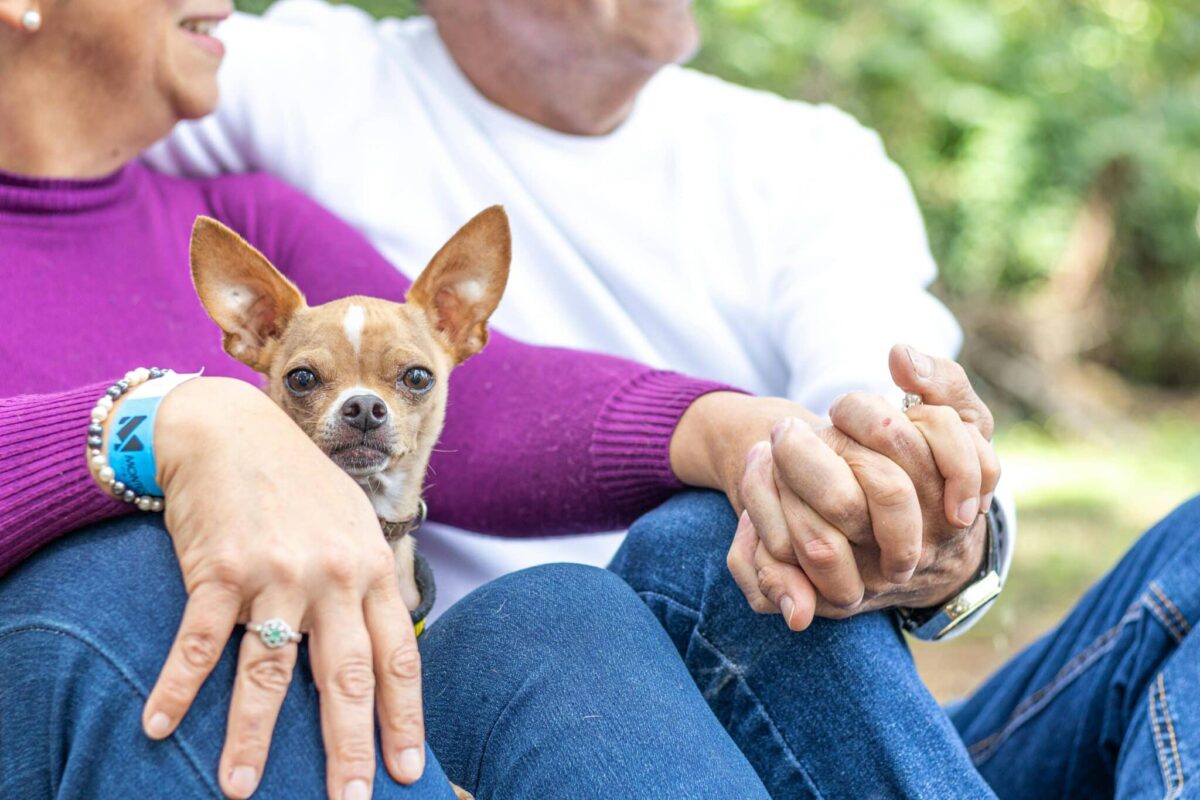
7. Chihuahua
Chihuahuas are among the smallest recognized dog breeds, but their personalities can be much bigger than their bodies.
Many form strong attachments to their owners and enjoy sitting close to their favorite person.
Their small size can make them practical for apartment living and easy to accommodate in smaller homes.
However, Chihuahuas shouldn’t automatically be considered low-maintenance.
They still need exercise, socialization, training, dental care, and regular veterinary attention. Some can also be wary of unfamiliar people or protective of their owners, making early positive socialization particularly important.
Their small size also means they should be handled carefully around larger dogs and young children.
8. Yorkshire Terrier
Yorkshire Terriers, or Yorkies, are tiny dogs with lively and confident personalities.
Many enjoy being close to their owners and can become very attached to their families. Their compact size makes them easy to accommodate in smaller homes.
Despite their size, Yorkies aren’t simply decorative lap dogs.
They benefit from daily activity, play, training, and mental stimulation. Their long coats also require regular grooming if kept at full length.
Yorkies can be a good match for seniors who want a small, engaging companion and are comfortable providing regular grooming and training.
9. Havanese
The Havanese is a small companion breed known for being social, playful, and people-oriented.
Many Havanese enjoy staying close to their owners and participating in household activities. They can be playful during the day and perfectly content to relax beside their family afterward.
Their size makes them convenient for many living situations, but they still need daily exercise and interaction.
Their coat also requires regular grooming.
Because Havanese tend to value companionship, prospective owners should consider how much time the dog will spend alone.
For a senior who spends plenty of time at home and wants an interactive companion, a Havanese may be a particularly appealing option.
10. Pekingese
The Pekingese is a small breed with a long history as a companion dog.
They are often more independent than some of the other breeds on this list and may enjoy quiet time with their owners.
Their exercise requirements are generally moderate, making them potentially suitable for people who prefer shorter walks and relaxed household activities.
However, their long coat needs regular grooming, and their short facial structure means owners should also be aware of potential breathing and heat-related concerns.
A Pekingese can suit someone who enjoys a calm, dignified little companion and is prepared for its grooming and health needs.
11. Papillon
Papillons may be small enough to sit comfortably on a lap, but they aren’t necessarily couch potatoes.
These intelligent little dogs are often energetic, curious, and eager to learn. They can form strong bonds with their owners and enjoy participating in training and interactive games.
Their intelligence can be a major advantage for an owner who enjoys teaching tricks and providing mental stimulation.
Papillons generally need regular physical activity as well, so they may be better suited to an active senior than someone looking for a dog that rarely needs exercise.
Their relatively manageable size makes them easy to accommodate, but their lively personality should not be underestimated.
12. Lhasa Apso
The Lhasa Apso is a small breed with an interesting history as a watchdog and companion in Tibet.
Lhasa Apsos can be affectionate with their families while maintaining an independent streak. They may enjoy sitting close to their owners but don’t necessarily demand constant physical attention.
Their moderate exercise needs can work well for people who prefer a less athletic dog.
However, their long coat requires regular grooming unless maintained in a shorter style.
They can also be reserved around unfamiliar people, so positive socialization and patient training are important.
For the right owner, a Lhasa Apso can be a loyal and entertaining small companion.
What Should Seniors Consider Before Choosing a Small Dog?
A small dog isn’t automatically an easy dog.
Before bringing one home, consider several factors beyond weight and height.
Exercise Needs
Some small breeds are surprisingly energetic.
Ask yourself whether you can comfortably provide the dog’s required walks, playtime, and mental stimulation every day.
Grooming
Long-haired breeds can require frequent brushing and professional grooming.
If bending, standing for extended periods, or maintaining a grooming routine is difficult, a lower-maintenance coat or professional grooming support may be more practical.
Temperament
Consider whether you prefer a quiet and relaxed companion or an outgoing dog that wants to participate in activities.
An individual dog’s personality can be just as important as its breed.
Health Requirements
Every breed has potential health concerns.
Before adopting or purchasing a dog, learn about the breed’s common veterinary needs and consider whether you can comfortably manage potential medical expenses.
Handling and Mobility
A very small dog can be physically easy to accommodate, but tiny breeds can also be fragile.
Think about whether you can safely pick up the dog when necessary and whether your home has hazards such as steep stairs or slippery floors.
Time Alone
Some companion breeds strongly prefer human company and may struggle if left alone for long periods.
Consider your daily schedule before choosing a highly people-oriented dog.
Why Small Dogs Can Be Good Companions for Seniors
A small dog can offer several practical advantages.
They often require less physical space, can be easier to transport, and may be easier to manage on a leash than a large, powerful dog.
They can also encourage daily routines.
Feeding, grooming, short walks, training, and play provide structure throughout the day.
Perhaps most importantly, a dog can provide companionship.
Having another living being nearby can make quiet days feel more engaging and give owners plenty of opportunities for interaction and affection.
Should Seniors Consider Adopting an Adult Dog?
Absolutely.
A puppy isn’t the only option.
An adult or senior dog may actually be easier for some households because their personality, size, energy level, and behavior are already more established.
Shelters and rescue organizations can often provide information about a dog’s temperament and daily needs.
An older dog may also be a good option for someone who doesn’t want to deal with puppy chewing, house-training, and the constant supervision young puppies require.
How to Choose the Right Lap Dog
Rather than asking which breed is universally “best,” consider which dog fits your specific lifestyle.
Think about:
Your activity level: Can you meet the dog’s daily exercise needs?
Your home: Is the environment safe and suitable?
Your grooming preferences: Are you comfortable with regular brushing or professional grooming?
Your budget: Can you manage food, grooming, routine veterinary care, and unexpected medical expenses?
Your schedule: How long will the dog regularly be alone?
Your household: Will the dog be comfortable around visitors, children, or other pets?
Your future needs: Can you continue caring for the dog if your mobility or living situation changes?
These questions can help you find a companion that remains a good match for years to come.
Frequently Asked Questions
Are small dogs automatically good for seniors?
Not necessarily. Small size can make a dog easier to accommodate, but temperament, energy level, grooming, training, and health needs are equally important.
Which small dogs enjoy cuddling?
Many companion breeds enjoy close contact, including Shih Tzus, Havanese, Maltese, Cavaliers, and some Chihuahuas. However, individual dogs vary, and not every dog enjoys being held or sitting on a lap.
Are small dogs easier to care for than large dogs?
They can be easier to physically manage and may require less food and space, but some small breeds have substantial grooming, dental, training, or health needs.
Are Bichon Frises and Havanese hypoallergenic?
No dog is completely hypoallergenic. These breeds may be more suitable for some allergy sufferers than others, but individual reactions vary. Spending time around the specific dog before adoption is a sensible precaution.
Is an adult dog better than a puppy for a senior?
An adult dog may be easier for some seniors because its personality and energy level are more established. Puppies require extensive supervision, training, house-training, and socialization. The right choice depends on the owner’s lifestyle and capabilities.
Should seniors choose a dog that doesn’t need much exercise?
A lower-energy dog may be more compatible with a less active lifestyle, but every dog needs appropriate physical activity and mental stimulation. Exercise requirements should be matched to what the owner can realistically provide.
Final Thoughts
A small dog can bring companionship, routine, affection, and plenty of personality into a senior’s life.
Shih Tzus, Cavalier King Charles Spaniels, Maltese, French Bulldogs, Pomeranians, Bichon Frises, Chihuahuas, Yorkshire Terriers, Havanese, Pekingese, Papillons, and Lhasa Apsos all have qualities that may appeal to people looking for a smaller companion.
But the smallest dog isn’t necessarily the easiest dog.
Before choosing, look at the complete picture: exercise, grooming, temperament, health, training, finances, and the amount of time you can spend together.
Whether you adopt a puppy, an adult, or a senior dog, the goal should be the same—finding an individual companion whose needs and personality fit comfortably into your life.
Sometimes the perfect companion isn’t the dog that fits most easily on your lap. It’s the one that fits naturally into your everyday life.
This Article Was Generated By AI.







Leave a comment