




For some dog lovers, the best part of having a dog is coming home to a companion who wants to be by their side.
While every dog has its own personality, certain breeds are widely known for enjoying close human companionship. They may follow their favorite person from room to room, lean against their family, curl up beside them on the sofa, or happily accept a long session of belly rubs.
If you’re looking for a dog that tends to enjoy plenty of human interaction, these 13 affectionate breeds are worth getting to know.
Of course, breed tendencies are only part of the story. Individual temperament, socialization, training, age, and previous experiences all influence how affectionate a particular dog will be.
1. Cavalier King Charles Spaniel
The Cavalier King Charles Spaniel is well known for its affectionate, people-oriented personality.
Originally developed as a companion dog, the Cavalier often enjoys being close to its family. Many are happy to curl up beside their owners, sit nearby while someone works, or join the family on everyday activities.
Their gentle and sociable nature can make them appealing to people who want a smaller companion that enjoys plenty of interaction.
Cavaliers can also be playful and energetic, so affection isn’t necessarily limited to quiet cuddling. They often enjoy walks, games, training, and simply spending time with their people.
2. Golden Retriever
Golden Retrievers are famous for their friendly and outgoing personalities.
They often enjoy meeting people and participating in family activities. A Golden may greet you enthusiastically, rest its head on your leg, bring you a toy, or follow you around the house.
Their affectionate nature is one reason they are so popular as family companions.
However, these dogs are also active and intelligent. A Golden Retriever needs regular physical exercise, mental stimulation, training, and social interaction—not just cuddles on the couch.
That combination of playfulness and affection can make life with a Golden especially rewarding for an active household.
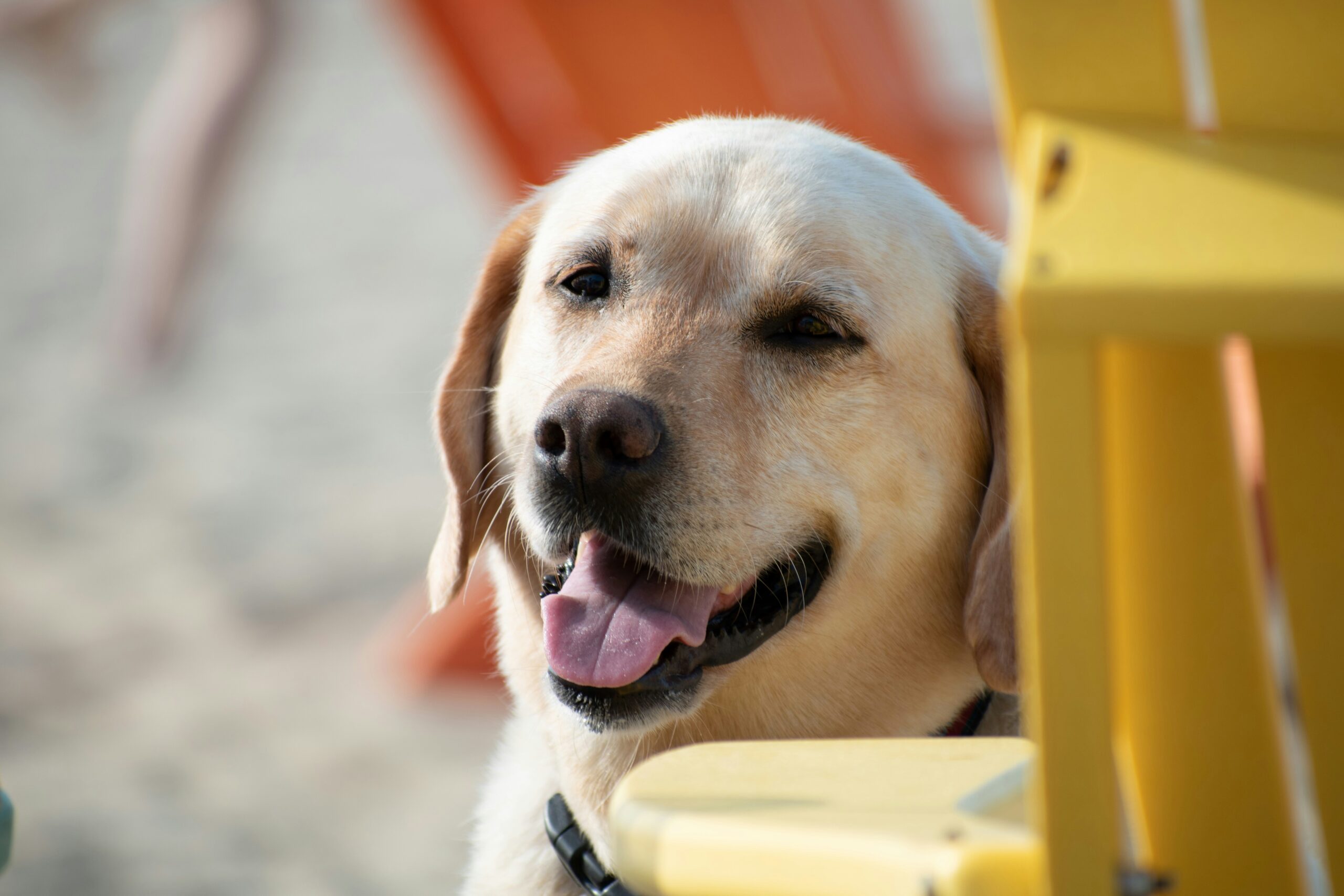
3. Labrador Retriever
Labrador Retrievers are another breed known for forming strong relationships with their families.
Labs often enjoy being involved in whatever their humans are doing. Whether it’s playing fetch, going for a walk, relaxing at home, or learning a new trick, many Labradors are happiest when they’re part of the action.
Their friendly nature and enthusiasm can make them extremely engaging companions.
Labradors are also energetic dogs, particularly when young, so prospective owners should be prepared for exercise, training, and plenty of interaction.
For families looking for an affectionate dog with an enthusiastic personality, the Labrador can be a natural fit.
4. Bichon Frise
The Bichon Frise may be small, but this fluffy companion can have a huge personality.
Bichons are generally social and enjoy interacting with their people. Many like sitting close to their owners and participating in family activities.
Their playful personalities can also make them entertaining companions. Instead of simply following their humans around quietly, some Bichons enjoy getting attention by playing, performing tricks, or initiating interaction.
Their small size can make them suitable for a variety of living situations, although they still need regular exercise, mental stimulation, grooming, and companionship.
5. Shih Tzu
Shih Tzus were developed primarily as companion dogs, and their history is reflected in their enjoyment of human company.
Many Shih Tzus are perfectly content relaxing beside their favorite person. They may enjoy sitting on a lap, curling up beside someone, or following their owner from one room to another.
They tend to be affectionate without requiring the same level of physical activity as some larger working breeds.
However, Shih Tzus still need regular walks, play, training, grooming, and social interaction.
For someone who wants a small companion that enjoys spending plenty of time close to its family, the Shih Tzu can be an appealing choice.
6. Pug
Pugs are small, charming dogs that often form close bonds with their owners.
Many Pugs enjoy being wherever their people are. They may follow family members around the house, settle beside them on the sofa, or seek attention when they feel like interacting.
Their playful personalities can also make them entertaining companions.
Pugs generally don’t need the same amount of exercise as highly athletic breeds, but they still benefit from appropriate daily activity and mental stimulation.
Because of their short, flat faces, Pugs can also be vulnerable to breathing and heat-related problems. Owners need to be particularly careful about overheating and strenuous exercise.
Their affectionate personality should therefore be considered alongside their health and care requirements.
7. Cocker Spaniel
Cocker Spaniels are known for their cheerful, people-oriented personalities.
Many enjoy spending time with their families and may seek attention through play, physical closeness, or simply staying nearby.
They can be enthusiastic companions who enjoy both outdoor activities and relaxing at home.
Cocker Spaniels generally need regular exercise and mental stimulation, and their coats require consistent grooming.
Their combination of playfulness and affection can make them especially appealing to families who want a dog that enjoys being actively involved in daily life.
8. French Bulldog
French Bulldogs are often happiest when they’re close to their humans.
A Frenchie may happily settle beside its owner on the sofa, follow someone around the house, or seek attention throughout the day.
Their playful personalities can make them entertaining companions, while their relatively compact size can work well in many homes.
However, French Bulldogs have significant health considerations associated with their flat facial structure. Breathing difficulties, heat intolerance, and other brachycephalic-related problems can affect some individuals.
Anyone considering a French Bulldog should look beyond its cuddly personality and carefully consider the breed’s health, exercise, and veterinary needs.
9. Boxer
Boxers combine a playful personality with a strong attachment to their families.
They are energetic dogs that often want to participate in whatever their people are doing. A Boxer may bring a toy, lean against its owner, or enthusiastically greet family members.
Their tendency to lean against people has even become one of the behaviors many Boxer owners recognize as a characteristic expression of closeness.
Despite their muscular appearance, Boxers can be affectionate and playful companions.
They do, however, need plenty of exercise, training, and mental stimulation. Their energy level makes them better suited to households prepared for an active dog.
10. American Pit Bull Terrier
American Pit Bull Terriers are often described by their owners as affectionate, social, and strongly attached to their families.
Individual dogs vary, but many enjoy physical affection and human interaction. A dog may want to sit close, follow its favorite person around the house, or enthusiastically participate in games.
As with any breed, responsible socialization, training, management, and individual temperament matter.
It’s also important to remember that breed labels alone cannot predict exactly how an individual dog will behave. Anyone considering an American Pit Bull Terrier should evaluate the particular dog’s temperament and compatibility with their household.
11. Havanese
The Havanese is a small companion breed known for its social personality and strong interest in people.
Many Havanese enjoy staying close to their owners and participating in household activities. They can be playful, affectionate, and eager to interact.
Their relatively small size makes them easy to keep close, whether they’re relaxing beside their owner or accompanying the family around the house.
However, their social nature also means they may not thrive when routinely left alone for long periods.
A Havanese can be a great match for someone looking for a small dog that enjoys companionship and interactive family life.
12. Shetland Sheepdog
Shetland Sheepdogs, or Shelties, are intelligent, responsive dogs that often form strong relationships with their families.
Their herding background means they tend to enjoy having something to do, and many appreciate training, games, and activities that involve their owners.
A Sheltie may stay close to family members and seek interaction throughout the day.
Their affection often comes alongside intelligence and sensitivity, so positive training and appropriate mental stimulation are especially important.
Potential owners should also be prepared for regular grooming and the possibility of vocal behavior.
For an active person who enjoys training and spending time with their dog, a Sheltie can be a deeply engaging companion.
13. Great Dane
Great Danes demonstrate that an affectionate dog doesn’t have to fit on your lap.
These enormous dogs are often described as gentle and people-oriented. Many enjoy leaning against their owners, resting nearby, and staying involved in family life.
A Great Dane may even attempt to sit close enough to you to forget that it weighs considerably more than the average lapdog.
Despite their impressive size, they often have a relaxed presence in the home when their exercise and social needs are appropriately met.
Their size does come with practical considerations, including food, space, transportation, equipment, and veterinary expenses.
Anyone considering one should be prepared for the realities of living with a very large dog.
What Makes Some Dogs So Affectionate?
Affection isn’t controlled by a single personality trait.
A dog’s desire for human contact can be influenced by genetics, early experiences, socialization, training, environment, and individual temperament.
Some dogs show affection through cuddling and physical contact.
Others express their attachment differently.
For example, a dog may:
- Follow you from room to room
- Bring you toys
- Rest near your feet
- Lean against you
- Greet you enthusiastically
- Check on you throughout the day
- Ask for playtime
- Enjoy training with you
- Choose to sleep near you
A dog doesn’t have to be constantly sitting on your lap to have a strong bond with you.
Does an Affectionate Breed Mean an Affectionate Dog?
Not necessarily.
Breed tendencies can provide useful clues, but they don’t guarantee personality.
Two puppies from the same litter can have noticeably different temperaments. One might constantly seek physical contact while another prefers relaxing nearby.
Age also matters. Puppies can be energetic and distracted, while older dogs may become more interested in quiet companionship.
A dog’s previous experiences can influence behavior too.
That’s why meeting an individual dog and learning about its personality is important when choosing a companion.
How to Build a Strong Bond With Your Dog
You don’t have to wait for your dog to become affectionate naturally.
A strong relationship develops through everyday experiences.
You can strengthen your bond by:
Spend Quality Time Together
Walk, play, train, relax, or simply sit together.
Use Positive Reinforcement
Reward behaviors you want to encourage with treats, praise, toys, or other appropriate rewards.
Respect Your Dog’s Boundaries
Not every dog enjoys being hugged, picked up, or constantly touched.
Learn your dog’s body language and allow them to move away when they want space.
Provide Mental Stimulation
Training games, scent activities, puzzle toys, and appropriate enrichment can help keep your dog engaged.
Maintain a Predictable Routine
Regular feeding, exercise, rest, and interaction can help your dog feel secure.
Take Care of Their Health
Pain, illness, anxiety, or discomfort can change how a dog behaves.
Regular veterinary care and attention to changes in behavior can help ensure that your dog feels well enough to enjoy their normal activities.
Choosing an Affectionate Dog for Your Lifestyle
If you’re specifically looking for a cuddly companion, don’t choose a breed based on affection alone.
Think about the complete picture.
Ask yourself:
- How much exercise can I provide?
- How much grooming am I comfortable with?
- How much time will the dog spend alone?
- Do I want a small, medium, or giant dog?
- Can I manage the breed’s potential health concerns?
- Do I want an energetic playmate or a calmer companion?
- Will the dog fit comfortably with children or other pets?
- Am I prepared for training and socialization?
The most affectionate breed in the world would still be a poor match if its exercise, grooming, health, or lifestyle requirements don’t fit your household.
Final Thoughts
For people who love dogs that enjoy plenty of human companionship, breeds such as the Cavalier King Charles Spaniel, Golden Retriever, Labrador Retriever, Bichon Frise, Shih Tzu, Pug, Cocker Spaniel, French Bulldog, Boxer, American Pit Bull Terrier, Havanese, Shetland Sheepdog, and Great Dane can all be worth considering.
But affection isn’t something that can be guaranteed by a breed name.
Every dog is an individual.
Some will happily curl up against you for hours, while others show their love by following you around, bringing you toys, joining you on walks, or simply choosing to stay in the same room.
The best relationship comes from understanding your dog’s personality, respecting their boundaries, meeting their needs, and giving them plenty of positive experiences with you.
Sometimes the sweetest kind of affection isn’t a dog sitting on your lap—it’s simply knowing that wherever you go, your four-legged companion wants to be nearby.
This Article Was Generated By AI.







Leave a comment