




Small dog breeds may take up less space, but they can bring an enormous amount of companionship, entertainment, and affection into a home. From their portability to their ability to adapt to different living environments, small dogs can be a practical choice for many households.
However, choosing a dog should involve more than simply looking at size. Every breed and individual dog has different exercise, grooming, training, and social needs. With that in mind, let’s explore the potential benefits of owning a small dog and what prospective owners should consider.
1. Small Dogs Can Adapt Well to Different Homes
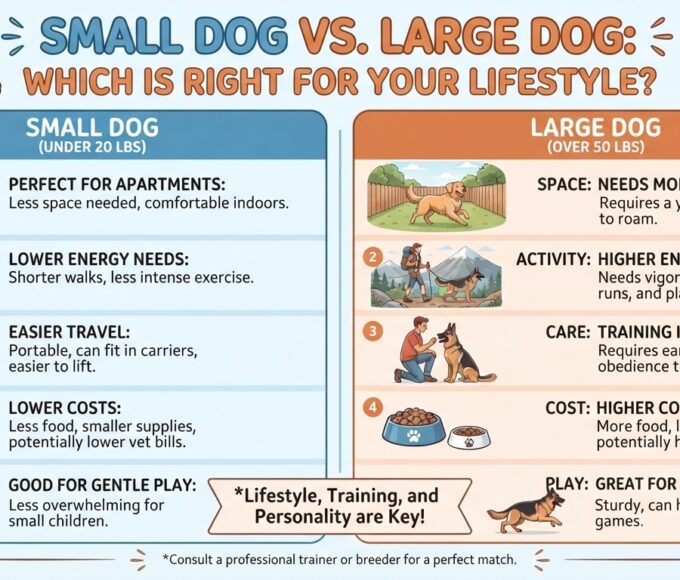
One of the biggest advantages of small dog breeds is their ability to fit comfortably into many types of homes.
A small dog may be suitable for:
- Apartments and flats
- Smaller houses
- Urban homes
- Homes without large yards
- People who travel frequently with their pets
Their smaller physical footprint can make everyday life easier, particularly when indoor space is limited.
That said, small does not automatically mean low-energy. Breeds such as Jack Russell Terriers, Miniature Poodles, and some small herding breeds can be highly active and mentally demanding. It’s important to choose a breed based on its overall temperament and exercise requirements rather than size alone.
2. Small Dogs Are Convenient to Transport
Traveling with a smaller dog can be easier because many small breeds can be safely transported in appropriately sized carriers.
Depending on the dog’s size and the transportation method, small dogs may be easier to take along for:
- Veterinary appointments
- Road trips
- Family visits
- Outdoor outings
- Pet-friendly vacations
- Short errands where pets are permitted
Their portability can make it easier for owners to include their dogs in everyday activities.
Always use appropriate restraints or carriers when traveling, especially in vehicles. Never allow a dog to ride unsecured.
3. They Can Provide Wonderful Companionship
Small dogs are often kept as companion animals, and many have been bred specifically for close interaction with people.
A loving dog can become an important part of a household routine. Simple activities such as sitting together, playing, walking, or relaxing after a long day can strengthen the bond between a dog and its owner.
For people who live alone, having a dog can also provide structure and regular opportunities for interaction. Daily walks and play sessions encourage owners to maintain an active routine while spending time with their pets.
4. Small Dogs Can Encourage Daily Activity
Although small dogs generally need less physical space than large dogs, they still require regular exercise.
Daily walks, indoor games, training sessions, and interactive toys can help keep them physically and mentally stimulated.
Depending on the breed, activities might include:
- Short walks around the neighborhood
- Fetch
- Puzzle toys
- Obedience training
- Scent games
- Indoor play
- Supervised outdoor exploration
Exercise requirements vary considerably between breeds and individual dogs, so owners should follow a routine appropriate for their pet’s age, health, and energy level.
5. They Can Be Easier to Manage Physically
A small dog is generally easier to lift, carry, and handle than a large dog. This can be particularly useful when a dog needs help getting into a carrier, visiting the veterinarian, or moving around safely.
However, small dogs are also physically delicate. Young children should be taught how to interact with them safely, and owners should avoid rough handling, jumping from high furniture, or situations where a small dog could accidentally be stepped on.
Being small doesn’t mean a dog needs less care. In some situations, it means owners need to be more careful.
6. Small Dogs Can Fit Into Busy Lifestyles
Some small breeds can adapt well to a variety of lifestyles when their physical and mental needs are properly met.
For example, an owner living in a city may prefer a small dog because daily walks can be managed without needing a large backyard. Someone living in a house may also appreciate having a companion that doesn’t require a huge amount of indoor space.
Still, dogs should not be selected solely because they are convenient. Every dog needs companionship, training, exercise, enrichment, veterinary care, and attention.
7. They Can Be Great Family Companions
Many small dogs can become excellent family pets when they are properly socialized and when children are taught how to respect them.
A good relationship between a child and a dog should involve:
- Gentle handling
- Supervised interactions
- Respect for the dog’s personal space
- No pulling of ears or tails
- No disturbing the dog while eating or sleeping
- Teaching children appropriate ways to play
It’s important to remember that not every small breed enjoys being handled by children. Temperament matters more than size.
8. Small Dogs Can Have Big Personalities
One of the most entertaining things about small dog breeds is how much personality they can have.
A tiny dog might be:
- Playful
- Affectionate
- Energetic
- Curious
- Confident
- Protective
- Independent
- Highly social
Breed characteristics can influence personality, but individual dogs can behave very differently from one another.
That’s why prospective owners should spend time learning about a breed’s temperament before bringing one home.
9. Some Small Breeds Are Long-Lived
Small dogs often have longer average lifespans than many larger breeds, although lifespan varies by breed, genetics, nutrition, preventive care, and overall health.
Rather than assuming that every small dog will live to a particular age, owners should focus on providing good lifelong care.
Regular veterinary examinations, appropriate nutrition, dental care, parasite prevention, exercise, and early attention to health changes can all contribute to a dog’s quality of life.
10. Grooming Needs Can Vary Widely
Another advantage of small dogs is that grooming sessions can sometimes be easier to manage simply because there is less dog to brush or bathe.
However, grooming requirements depend heavily on the breed.
For example:
- Short-haired breeds may need relatively little coat maintenance.
- Long-haired breeds may require frequent brushing.
- Curly-coated breeds may need regular professional grooming.
- Some small breeds are prone to dental problems and benefit from consistent dental care.
- Nail trimming is important regardless of coat type.
Don’t assume that a small dog automatically requires little maintenance. Research the specific breed before making a decision.
Are Small Dogs Healthier Than Large Dogs?
Not necessarily.
Although smaller dogs often have longer average lifespans, every breed has its own health risks. Some small breeds can be predisposed to dental disease, luxating patellas, eye conditions, airway problems, heart disease, or other breed-specific issues.
Similarly, larger dogs have their own health concerns.
The most useful approach is to research the health characteristics of the specific breed you’re considering and work with a veterinarian to establish appropriate preventive care.
Are Small Dogs Easier to Train?
Small dogs can absolutely learn obedience commands, household rules, tricks, and other behaviors.
However, training difficulty depends on the individual dog, breed characteristics, motivation, previous experiences, and consistency from the owner.
A common mistake is allowing unwanted behavior simply because a dog is small. Jumping on people, barking excessively, pulling on the leash, or refusing to follow household rules should be addressed just as seriously in a small dog as in a large one.
Use reward-based training, keep sessions engaging, and practice consistently.
Do Small Dogs Need Less Exercise?
Many small dogs require less physical exercise than some larger, high-energy breeds, but this isn’t true for every small dog.
Exercise needs depend on:
- Breed
- Age
- Health
- Energy level
- Individual personality
A small energetic dog may need considerably more activity than a larger but calm dog.
In addition to physical exercise, mental stimulation is important. Training, puzzle toys, sniffing activities, and interactive games can help prevent boredom.
Are Small Dogs Good for First-Time Owners?
Some small breeds can be suitable for first-time owners, but size alone shouldn’t determine whether a dog is beginner-friendly.
A first-time owner should consider:
- Temperament – Is the breed generally social and manageable?
- Exercise needs – Can you provide enough daily activity?
- Grooming – Are you prepared for the coat-care requirements?
- Training – Does the breed require extensive training and mental stimulation?
- Health care – Are you prepared for potential breed-specific health needs?
- Lifestyle – Does the dog’s personality match your routine?
Choosing a dog whose needs match your lifestyle is more important than choosing one simply because it is small.
Frequently Asked Questions About Small Dog Breeds
Are small dogs good for apartment living?
Many small dogs can live comfortably in apartments because they don’t require as much physical space. However, exercise and mental stimulation are still necessary, and some small breeds are surprisingly energetic.
Do small dogs shed less?
Not always. Shedding varies by breed. Some small dogs shed very little, while others can shed considerably. Coat type and grooming requirements should be researched before choosing a breed.
Are small dogs easier to carry?
Generally, yes. Their smaller size can make transportation and handling easier. However, small dogs should still be handled carefully because they can be injured by falls or rough play.
Are small dogs good with children?
Some are, but it depends on the individual dog and breed. Children should always be taught to interact gently with pets, and young children should be supervised around dogs.
How much exercise does a small dog need?
There is no single exercise requirement for all small dogs. Some may be satisfied with moderate daily walks and play, while others need significantly more physical and mental activity.
Do small dogs live longer than large dogs?
Small dogs often have longer average lifespans than large dogs, but individual lifespan varies. Genetics, breed, health, nutrition, preventive care, and lifestyle all play a role.
Final Thoughts
Small dog breeds can make wonderful companions for people living in apartments, houses, cities, or other environments where a compact pet may be convenient. Their portability, affectionate personalities, and ability to fit into many households are among their biggest advantages.
But choosing a dog should never be based on size alone. Before bringing home a small dog, consider its exercise requirements, temperament, grooming needs, training needs, potential health concerns, and compatibility with your household.
The right small dog isn’t simply the smallest one—it’s the one whose needs and personality fit comfortably with your lifestyle. With responsible care, training, socialization, and plenty of affection, a small dog can become a loving and rewarding member of the family.
This Article Was Generated By AI.








Leave a comment