



Never underestimate a small dog.
Some of the world’s tiniest breeds have enormous personalities packed into surprisingly compact bodies. They can be confident, playful, affectionate, stubborn, energetic, vocal, or even surprisingly fearless.
A small dog can happily fit into a compact home, but that doesn’t mean every small breed is low-maintenance. Some need plenty of exercise and mental stimulation, while others are happiest spending the afternoon beside their favorite person.
From confident Chihuahuas to playful Dachshunds and affectionate Shih Tzus, these 10 small dog breeds prove that personality has little to do with size.
1. Chihuahua
The Chihuahua may be tiny, but it rarely seems to know it.
Known for their confident and alert personalities, Chihuahuas can be surprisingly bold. Many form extremely close bonds with their owners and enjoy being involved in everything happening around the home.
Their small size makes them easy to carry and can make them suitable for many living situations, but their personalities shouldn’t be underestimated.
Chihuahuas can be:
- Alert and observant
- Affectionate with their families
- Energetic
- Confident
- Vocal
- Protective of their space
Early socialization and positive training are particularly useful because some Chihuahuas can become fearful or reactive when they aren’t gradually introduced to different people, animals, and environments.
Despite their reputation for being “purse dogs,” Chihuahuas still need exercise, play, training, and mental stimulation.
2. Pomeranian
Pomeranians may look like fluffy little clouds, but underneath all that fur is a lively and often confident personality.
These small dogs are typically curious, energetic, and eager to interact with their surroundings. Many enjoy learning tricks and participating in training sessions, especially when lessons are kept fun and rewarding.
Their small bodies don’t necessarily mean small exercise needs.
Pomeranians can enjoy:
- Short walks
- Interactive games
- Trick training
- Puzzle toys
- Indoor play
- Exploring new environments
Their beautiful double coat also requires regular grooming.
Because Pomeranians can be alert and vocal, early training can help teach them when barking is appropriate and how to settle calmly.
3. Shih Tzu
Shih Tzus combine an adorable appearance with a charming and affectionate personality.
Originally developed as companion dogs, they often enjoy spending time with their families and can be content relaxing beside their favorite person.
Many Shih Tzus are affectionate without requiring constant intense exercise, making them appealing to people who want a companion that enjoys both playtime and relaxation.
They can be:
- Loving
- Social
- Playful
- Affectionate
- Adaptable
Their long coat requires regular grooming, and owners should also pay attention to dental care and overall health.
Shih Tzus can live happily in apartments or smaller homes when their exercise, enrichment, and companionship needs are met.
4. Yorkshire Terrier
Yorkshire Terriers, affectionately known as Yorkies, are tiny dogs with plenty of confidence.
Despite their elegant appearance, Yorkies retain many characteristics associated with their terrier heritage. They can be alert, curious, energetic, and determined.
Their intelligence makes training an enjoyable activity, although their independent streak can occasionally make them selective about following instructions.
Yorkies often enjoy:
- Trick training
- Short walks
- Interactive toys
- Games
- Exploring
- Spending time with their owners
Their coat requires regular grooming, particularly if kept long.
Because of their small size, owners should also take care around larger dogs and rough play.
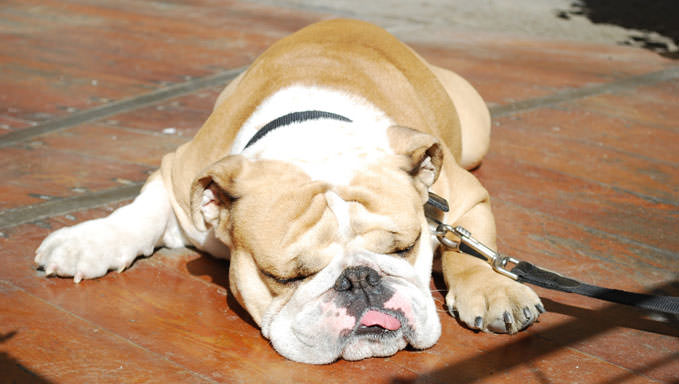
5. French Bulldog
French Bulldogs may be compact, but their personalities can fill an entire room.
These sturdy little companion dogs are often affectionate, playful, and highly interested in what their humans are doing. Many enjoy being close to their families and can have a wonderfully entertaining sense of personality.
Frenchies are often more interested in companionship than intense athletic activity, but they still benefit from regular gentle exercise and enrichment.
Their flat facial structure means owners need to be especially careful with heat and strenuous exercise. Some French Bulldogs also experience breathing, skin, spinal, or other health problems.
If you’re considering the breed, health and responsible breeding should be major considerations.
6. Dachshund
With their long bodies and short legs, Dachshunds have one of the most recognizable silhouettes in the dog world.
But their appearance isn’t the only thing that makes them memorable.
Originally bred for hunting, Dachshunds can be curious, determined, courageous, and independent. They often have strong personalities and may become very attached to their families.
Their natural instincts can make scent games and exploration particularly enjoyable.
However, Dachshunds need special consideration because their long backs can be vulnerable to spinal problems. Maintaining a healthy body weight and limiting activities that involve repeated high-impact jumping can be important.
A Dachshund may be small, but it still needs training, exercise, enrichment, and plenty of opportunities to use its brain.
7. Pug
Pugs are famous for their expressive faces and entertaining personalities.
They tend to be affectionate and people-oriented, often preferring to stay close to their families. Many enjoy playtime but are equally happy curling up beside their favorite person afterward.
Their compact size can make them appealing to apartment dwellers, but Pugs still need appropriate exercise and enrichment.
Because of their flat faces, Pugs can have difficulty regulating body temperature and may have breathing problems. Hot weather and strenuous exercise can be particularly risky.
A Pug’s ideal lifestyle includes moderate activity, careful temperature management, healthy weight control, and plenty of companionship.
8. Cavalier King Charles Spaniel
Cavalier King Charles Spaniels may be small, but they have enormous reputations as affectionate companion dogs.
They are often friendly, gentle, and eager to spend time with their families. Many enjoy walks and play but are equally happy relaxing at home.
Their social nature means they generally benefit from plenty of human interaction.
Cavaliers can be excellent candidates for people who want a small dog that enjoys both activity and cuddling.
However, prospective owners should research breed-associated health concerns and choose responsible breeders who prioritize appropriate health screening.
9. Miniature Schnauzer
The Miniature Schnauzer is small enough for many homes but has the energy and confidence of a much larger dog.
These intelligent terriers are often alert, active, and eager to participate in family life.
They can enjoy:
- Daily walks
- Training
- Puzzle toys
- Scent games
- Fetch
- Interactive play
Their intelligence means they benefit from having something interesting to do. Without sufficient stimulation, a bored Miniature Schnauzer may invent its own entertainment.
Their distinctive coat also requires regular grooming and trimming.
10. Papillon
The Papillon may have an elegant appearance, but don’t let those butterfly-like ears fool you into thinking this is simply a decorative lapdog.
Papillons are often intelligent, energetic, and surprisingly athletic for their size.
Many enjoy learning tricks, participating in dog sports, and solving training challenges.
They can be excellent companions for people who want a small dog that enjoys an active lifestyle.
Their mental stimulation needs can be significant compared with what their tiny bodies might suggest.
Why Do Small Dogs Have Such Big Personalities?
Size doesn’t determine temperament.
Many small breeds were developed for specific jobs, including hunting, alerting, companionship, and pest control. Those histories helped shape behaviors that can still be seen today.
A tiny terrier may have a strong instinct to chase.
A Chihuahua may be highly alert.
A Dachshund may want to investigate every interesting smell.
A Papillon may be eager to learn new tricks.
Understanding a breed’s background can help explain why your small dog behaves the way it does.
Are Small Dogs Easier to Care For?
Not necessarily.
Small dogs may require less physical space and can be easier to transport, but they still have physical, mental, and social needs.
Depending on the breed, you may need to manage:
- Grooming
- Dental care
- Exercise
- Training
- Socialization
- Separation-related problems
- Barking
- Weight management
- Breed-specific health concerns
A small dog isn’t automatically a low-maintenance dog.
Small Dogs Still Need Training
One common mistake is allowing small dogs to get away with behaviors that would be unacceptable in a larger dog.
Jumping, excessive barking, nipping, guarding, and uncontrolled greetings can become difficult to manage regardless of the dog’s size.
Positive reinforcement training can help small dogs learn:
- Sit
- Stay
- Come
- Leave it
- Loose-leash walking
- Calm greetings
- Appropriate barking
- Handling tolerance
Training also provides mental stimulation and helps strengthen communication between you and your dog.
Socialization Is Especially Important
A small dog may encounter situations that feel overwhelming simply because of its size.
A large dog approaching quickly, a busy street, or an unfamiliar person bending over to touch them can be intimidating.
Early, positive exposure to different people, animals, sounds, surfaces, and environments can help puppies develop confidence.
Socialization should be gradual and should not force a frightened dog into situations it cannot handle.
Small Dog, Big Exercise Needs
It’s easy to assume that a tiny dog only needs a few minutes of activity.
That isn’t true for every breed.
A Chihuahua, Pomeranian, Dachshund, Papillon, or Miniature Schnauzer may have plenty of energy and benefit from daily walks and play.
Exercise requirements depend on:
- Breed
- Age
- Health
- Individual temperament
- Weather
- Fitness level
Mental stimulation is equally important.
Five minutes of trick training or a puzzle game can provide valuable enrichment in addition to physical activity.
Small Dogs and Apartment Living
Many small breeds can adapt well to apartments, but the dog’s size is only part of the equation.
Consider:
- Energy level
- Barking tendencies
- Exercise needs
- Neighbor sensitivity
- Access to outdoor areas
- Time the dog will spend alone
A quiet, relaxed dog may thrive in an apartment, while a highly energetic or vocal dog may need more management despite being tiny.
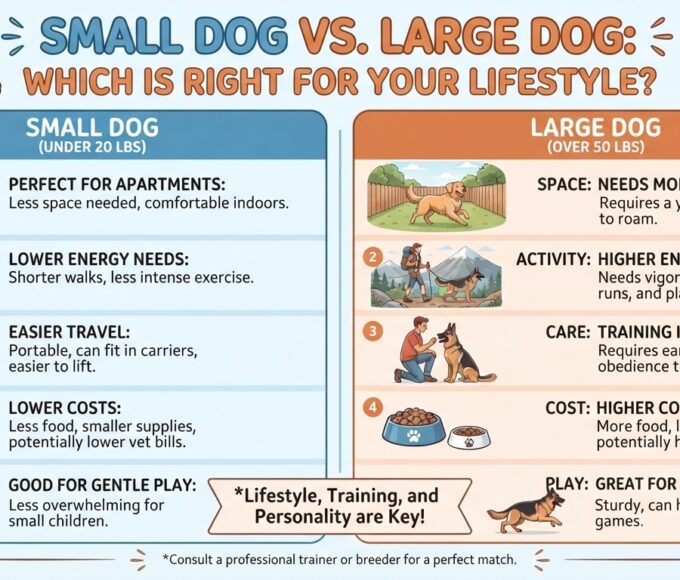
How to Choose the Right Small Dog for Your Lifestyle
Instead of choosing solely based on appearance, think about your daily routine.
If you want a cuddly companion
Consider breeds known for enjoying close human companionship, such as Shih Tzus or Cavalier King Charles Spaniels.
If you enjoy training
Papillons and Miniature Schnauzers can be appealing choices for owners who enjoy teaching tricks and practicing skills.
If you want a confident little dog
Chihuahuas and Yorkshire Terriers can have plenty of personality despite their small stature.
If you prefer a playful companion
Pomeranians, Dachshunds, and many individual Pugs can bring plenty of fun into a household.
Remember that individual dogs can differ significantly, even within the same breed.
Frequently Asked Questions
Are small dogs good for first-time owners?
Some small breeds can be suitable for first-time owners, but there is no universal answer. Consider the breed’s training needs, grooming requirements, energy level, and temperament before making a decision.
Do small dogs need daily walks?
Most healthy small dogs benefit from regular physical activity. The amount varies by breed, age, health, and individual energy level.
Are small dogs easier to train?
Not necessarily. Small dogs are fully capable of learning, but some breeds can be independent, easily distracted, or strong-willed. Consistent positive reinforcement usually produces better results than relying on the dog’s size or willingness to please.
Can small dogs live happily in apartments?
Many can, provided their exercise, enrichment, training, and social needs are met. Apartment living isn’t automatically suitable for every small breed.
Are small dogs more aggressive than large dogs?
Small dogs aren’t inherently more aggressive. However, some may display barking, lunging, or defensive behavior when frightened or poorly socialized. Their behavior should be addressed just as seriously as similar behavior in a larger dog.
Do small dogs need less food?
Small dogs generally require less food than larger dogs because of their smaller bodies, but their nutritional needs still depend on age, activity level, health, and the specific diet.
Final Thoughts
Small dogs may take up less space on the sofa, but they can have personalities that are impossible to overlook.
From the confident Chihuahua and energetic Pomeranian to the affectionate Shih Tzu, determined Dachshund, intelligent Papillon, and entertaining Pug, these breeds demonstrate just how much character can fit into a small package.
The important thing is to look beyond size.
A small dog still needs appropriate exercise, training, socialization, enrichment, veterinary care, and plenty of affection. When you choose a breed whose personality and needs match your lifestyle, those tiny paws can bring a surprisingly big amount of joy into your home.
Tiny body. Big personality. Lifelong companion.
This Article Was Generated By AI.







Leave a comment