




Small dogs have a special appeal. They may take up less physical space than large breeds, but many have enormous personalities, plenty of energy, and strong bonds with their families.
From the fluffy Pomeranian and bold Chihuahua to the affectionate Shih Tzu and unmistakable Pug, small breeds come in an impressive variety of appearances and temperaments. Some are energetic and playful, while others are happiest curled up beside their favorite person.
However, choosing a small dog shouldn’t be based on size or appearance alone. Every breed has different exercise, grooming, training, socialization, and health considerations.
If you’re thinking about welcoming a small dog into your home, here’s a closer look at four popular breeds and what prospective owners should know.
1. Pomeranian
The Pomeranian may be tiny, but it certainly doesn’t act like a small dog.
Known for its fluffy double coat, fox-like expression, and lively personality, the Pomeranian is a member of the Spitz family. Its ancestors were considerably larger working dogs, while modern Pomeranians were selectively bred down to their much smaller companion-dog size.
Pomeranian personality
Pomeranians are often alert, curious, playful, and confident. They can form strong attachments to their owners and frequently enjoy being involved in whatever is happening around the home.
Their confidence can sometimes come with a tendency to bark at unfamiliar sounds, people, or animals.
Early socialization and reward-based training can help teach a Pomeranian when barking is appropriate and when calm behavior is expected.
Grooming needs
That beautiful coat requires regular attention.
Brushing several times a week can help manage loose hair and reduce tangles. During heavier shedding periods, more frequent grooming may be useful.
Owners should also maintain regular dental care, nail trimming, and ear checks.
Exercise and training
Pomeranians are small enough to live comfortably in many homes, but they still need daily activity and mental stimulation.
Short walks, interactive games, trick training, and puzzle toys can help keep them occupied.
What to know
A Pomeranian’s small body can make it vulnerable to accidental injuries. Care should be taken around larger dogs, rough play, stairs, and young children who may not yet understand how gently a tiny dog needs to be handled.
2. Pug
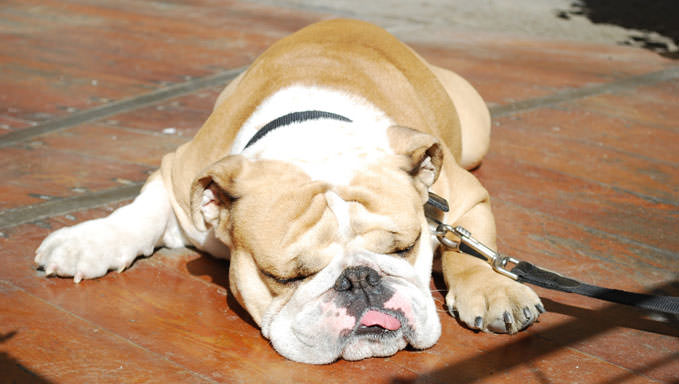
Few dogs are as recognizable as the Pug.
With its compact body, short muzzle, large expressive eyes, and characteristic wrinkles, the Pug has been a companion breed for centuries.
Pug personality
Pugs are generally affectionate, social, and people-oriented. Many enjoy following their owners around the home and being involved in family activities.
They’re often playful without requiring the same amount of intense physical exercise as some high-energy breeds.
That doesn’t mean Pugs should be completely inactive. Regular gentle exercise and mental stimulation are important for maintaining a healthy lifestyle.
Be careful with heat
Pugs have short, flat-shaped muzzles, which can make breathing and cooling themselves more difficult than for many longer-muzzled breeds.
Owners should take extra care during hot or humid weather.
Avoid strenuous activity during extreme heat and watch for signs of overheating or breathing difficulty.
Grooming
Although their coat is short, Pugs can shed considerably.
Regular brushing can help remove loose hair. Their facial wrinkles also need appropriate routine care, as moisture and debris can accumulate in skin folds.
What to know
Pugs can be wonderful companions, but prospective owners should understand the breed’s potential breathing, eye, skin, and weight-related health concerns and discuss appropriate preventive care with a veterinarian.
3. Chihuahua
The Chihuahua is one of the world’s smallest dog breeds, but its personality can be remarkably big.
Chihuahuas come in different coat types and a wide variety of colors and patterns.
Chihuahua personality
These tiny dogs can be confident, alert, affectionate, and highly devoted to their owners.
Some Chihuahuas are reserved around unfamiliar people, while others happily greet everyone they meet. Early socialization can help them become more comfortable around different people, animals, sounds, and environments.
Because they’re so small, owners sometimes overlook training. That’s a mistake.
A Chihuahua still needs to learn basic manners such as:
- Coming when called
- Walking appropriately on a leash
- Responding to basic cues
- Handling grooming calmly
- Greeting people appropriately
- Settling quietly
Exercise requirements
Chihuahuas don’t need huge amounts of exercise, but they still benefit from daily walks and play.
Indoor games can provide additional mental stimulation, particularly when the weather isn’t suitable for outdoor activity.
Protecting a tiny dog
Their small size means Chihuahuas can be injured more easily than larger dogs.
Be careful around:
- Large dogs
- Rough play
- High furniture
- Open stairways
- Crowded environments
Young children should also be taught how to interact gently with such a small animal.
4. Shih Tzu
The Shih Tzu is a small companion breed known for its long, flowing coat and affectionate personality.
Originally developed as a companion dog, the breed tends to enjoy human company and can be perfectly happy spending time indoors with its family.
Shih Tzu personality
Shih Tzus are often friendly, affectionate, and playful.
Many enjoy being close to their owners and may happily follow them from room to room.
Their companion-dog background means they generally appreciate plenty of human interaction.
Grooming requirements
The Shih Tzu’s beautiful coat comes with significant grooming responsibilities.
A long coat needs frequent brushing to prevent mats and tangles. Owners who don’t want to maintain a long show-style coat often choose a shorter pet trim, which can make everyday maintenance easier.
Regular grooming should also include nail care, dental hygiene, and routine ear checks.
Exercise
Shih Tzus generally don’t require intense exercise. Short walks and indoor play can provide useful physical and mental activity.
However, their flat facial structure means owners should still be cautious about excessive exercise and heat, particularly in warm weather.
What to know
Their small size doesn’t mean they should be treated like toys. Shih Tzus still need training, boundaries, socialization, and respectful handling.
How to Choose the Right Small Dog Breed
Choosing between small breeds requires looking beyond appearance.
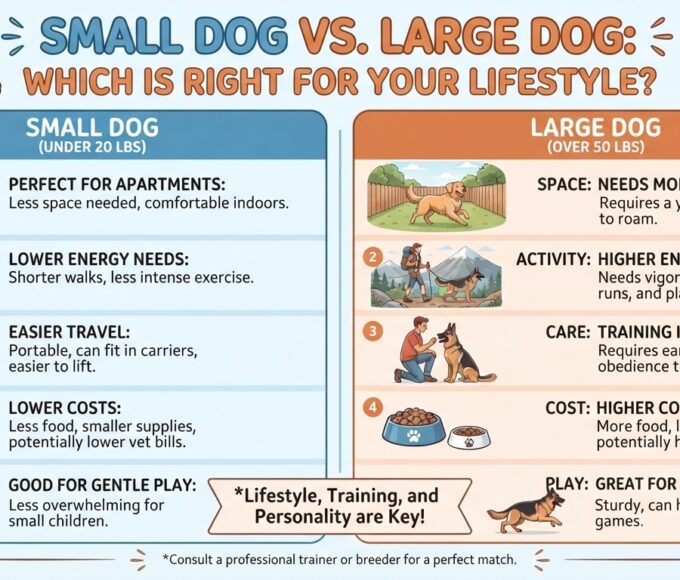
Ask yourself what kind of lifestyle you can realistically provide.
Consider activity level
Do you want a dog that enjoys frequent walks and games, or would you prefer a companion that is generally content with shorter activities?
Think about grooming
A long-haired breed can require significantly more grooming time than a short-coated breed.
If you don’t enjoy brushing and regular coat maintenance, a high-maintenance coat may not be the right fit.
Consider barking
Some small dogs are naturally more vocal than others.
If you live in an apartment or have noise-sensitive neighbors, consider a breed’s typical vocal tendencies and be prepared to train appropriate quiet behavior.
Think about children
Small dogs can be wonderful family companions, but their size can make them vulnerable to accidental injuries.
Young children should always be supervised around dogs and taught to respect the animal’s space.
Look at health considerations
Every breed has potential health concerns. Before choosing a dog, research breed-specific issues and consider asking a veterinarian or responsible breeder about health screening and preventive care.
Adoption is another excellent option. Shelters and rescue organizations have many small dogs looking for homes, including mixed-breed dogs whose personalities can be just as wonderful.
Are Small Dogs Easier to Care For?
Not necessarily.
A small dog may eat less food and require less physical space, but that doesn’t mean it requires less attention.
Small dogs still need:
- Training
- Exercise
- Mental stimulation
- Veterinary care
- Dental care
- Grooming
- Socialization
- Appropriate nutrition
- Safe handling
- Companionship
Some small breeds can also be surprisingly energetic and vocal.
The better way to think about small dogs is that they have different needs, not fewer needs.
Are Small Dogs Good for Apartment Living?
Many small breeds can adapt well to apartment life, but size alone doesn’t determine whether a dog is suitable.
A small, energetic dog that receives little exercise may struggle in an apartment, while a more relaxed dog may thrive with regular walks and enrichment.
Consider:
- Exercise requirements
- Barking tendencies
- Neighbor sensitivity
- Access to outdoor space
- Time available for the dog
- Mental stimulation
- House-training needs
Always consider the individual dog’s personality as well as breed tendencies.
Small Dog Safety Tips
Because small dogs are physically vulnerable, everyday safety deserves extra attention.
Watch interactions with larger dogs
Even friendly play can accidentally injure a tiny dog.
Avoid jumping from high surfaces
Jumping off beds or sofas can cause injuries, particularly in dogs with certain orthopedic vulnerabilities.
Use appropriate equipment
Collars, harnesses, and leashes should be correctly sized and fitted.
Be careful with children
Teach children not to pick up, squeeze, chase, or disturb a dog while it is eating or sleeping.
Watch for temperature problems
Small dogs can still overheat or become dangerously cold depending on conditions. Adjust outdoor activity according to the weather and the individual dog.
Frequently Asked Questions
Are small dogs good for first-time owners?
Some can be suitable for first-time owners, but every breed still requires training, socialization, exercise, grooming, and veterinary care. Choosing a dog based on lifestyle compatibility is more important than simply choosing a small breed.
Which small dog breeds shed?
Shedding varies considerably. Pomeranians and Pugs, for example, can shed noticeably, while coat maintenance in breeds such as the Shih Tzu often focuses more heavily on preventing tangles and mats.
Do small dogs need daily exercise?
Yes. Even small dogs benefit from regular physical activity and mental stimulation. The amount and intensity should match the individual dog’s age, health, and breed characteristics.
Are Pugs good with children?
Individual temperament varies, but Pugs can be affectionate family companions. Children should always be supervised around dogs, and special care should be taken because Pugs can have breathing and heat-tolerance limitations.
Are Chihuahuas aggressive?
Chihuahuas aren’t inherently aggressive. However, some may become fearful, defensive, or reactive if poorly socialized or handled roughly. Positive training and gradual socialization can help encourage appropriate behavior.
Do Shih Tzus require a lot of grooming?
Their long coat can require substantial maintenance. Frequent brushing and regular professional grooming may be necessary if the coat is kept long.
Can small dogs live in apartments?
Many can, provided their exercise, training, toilet needs, mental stimulation, and social needs are met. Apartment suitability depends on the individual dog as much as its physical size.
Final Thoughts
From the energetic Pomeranian to the affectionate Pug, bold Chihuahua, and charming Shih Tzu, small dogs offer an incredible variety of personalities and lifestyles.
But choosing a small dog isn’t simply about finding the cutest face.
Think about how much exercise you can provide, how much grooming you’re willing to do, your living environment, your family’s experience with dogs, and any breed-specific health considerations.
A small body can contain a surprisingly big personality—and with the right preparation, training, and care, your little companion can become a wonderful part of your family for many years.
This Article Was Generated By AI.







Leave a comment