



Some dogs seem to understand a command before you’ve even finished saying it. Others hear the same command, look directly at their owner, and appear to ask, “What’s in it for me?”
That difference doesn’t necessarily mean one dog is smarter than another.
Dogs were developed for very different jobs. Some were bred to work closely with people and respond quickly to instructions, while others were expected to make independent decisions, follow scents, pursue prey, or guard animals without waiting for a human to tell them what to do.
Those instincts can influence modern training.
The following 13 breeds have developed reputations for being stubborn, independent, easily distracted, or less motivated by traditional obedience training. However, individual dogs vary considerably. With appropriate training, rewards, consistency, enrichment, and realistic expectations, many of these dogs can become excellent companions.
1. Afghan Hound
The Afghan Hound is elegant, athletic, and famously independent. Its reserved personality can sometimes be mistaken for a lack of intelligence, but that’s not an accurate way to understand the breed.
Afghan Hounds were developed as hunting dogs that needed to work with considerable independence. Rather than constantly looking to a handler for instructions, they were capable of pursuing game and making decisions in demanding environments.
That history can show up during obedience training.
An Afghan Hound may understand what you’re asking but decide that another activity is more interesting. Repeated commands or harsh corrections generally aren’t a substitute for finding something that motivates the individual dog.
Training tip
Keep sessions engaging and relatively short. Reward desirable behavior and vary exercises so training doesn’t become predictable or frustrating.
2. Basenji
The Basenji is famous for being an unusual dog breed, including its distinctive vocalizations and independent personality.
Originally developed in Central Africa as a hunting dog, the Basenji was expected to be alert, agile, and capable of working with a degree of independence. That can make conventional obedience training more challenging.
A Basenji may learn commands quickly but still decide that following its own interests is more rewarding.
Their intelligence can actually contribute to the challenge. A clever dog can quickly discover how to obtain what it wants, whether that’s investigating an interesting smell or finding a way around a barrier.
Training tip
Use rewards the dog genuinely values and make training relevant to everyday situations. Reliable recall should be developed carefully because Basenjis can have strong exploratory and hunting instincts.
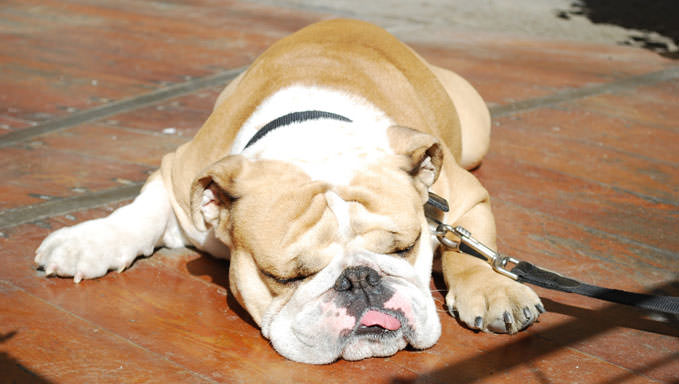
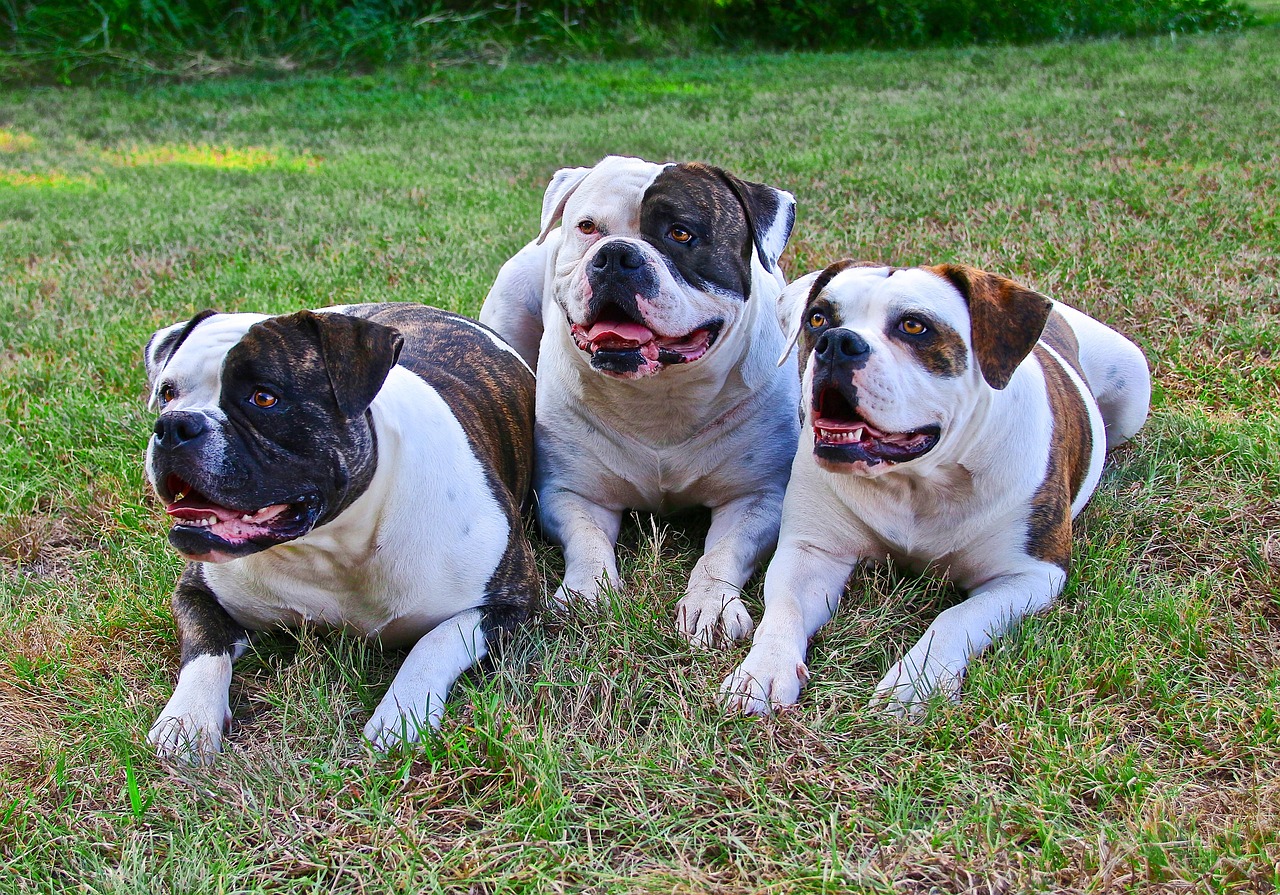
3. English Bulldog
English Bulldogs have a very different kind of reputation. Instead of racing away to chase something, a Bulldog may simply decide that moving isn’t particularly urgent.
Their calm and sometimes stubborn temperament can make training feel slower than expected.
A Bulldog may understand a cue perfectly well but take its time responding. Physical limitations and comfort should also be considered when training this breed because Bulldogs can be prone to breathing difficulties and overheating.
Training tip
Keep sessions positive and comfortable. Avoid expecting prolonged physical activity, especially in warm weather, and use food rewards or other appropriate motivators to encourage participation.
4. Jack Russell Terrier
The Jack Russell Terrier is small enough to underestimate and energetic enough to quickly prove that assumption wrong.
These terriers were developed to work around foxes and pursue quarry, so they tend to be alert, persistent, energetic, and highly interested in movement.
That can create an obedience challenge when something exciting appears.
A Jack Russell that spots a squirrel, bird, or moving object may temporarily consider your command much less important than the chase. Their intelligence and enthusiasm can be valuable during training, but their energy needs an appropriate outlet.
Training tip
Combine obedience work with games, scent activities, puzzle toys, and controlled physical exercise. Teach impulse control early and practice commands around gradually increasing distractions.
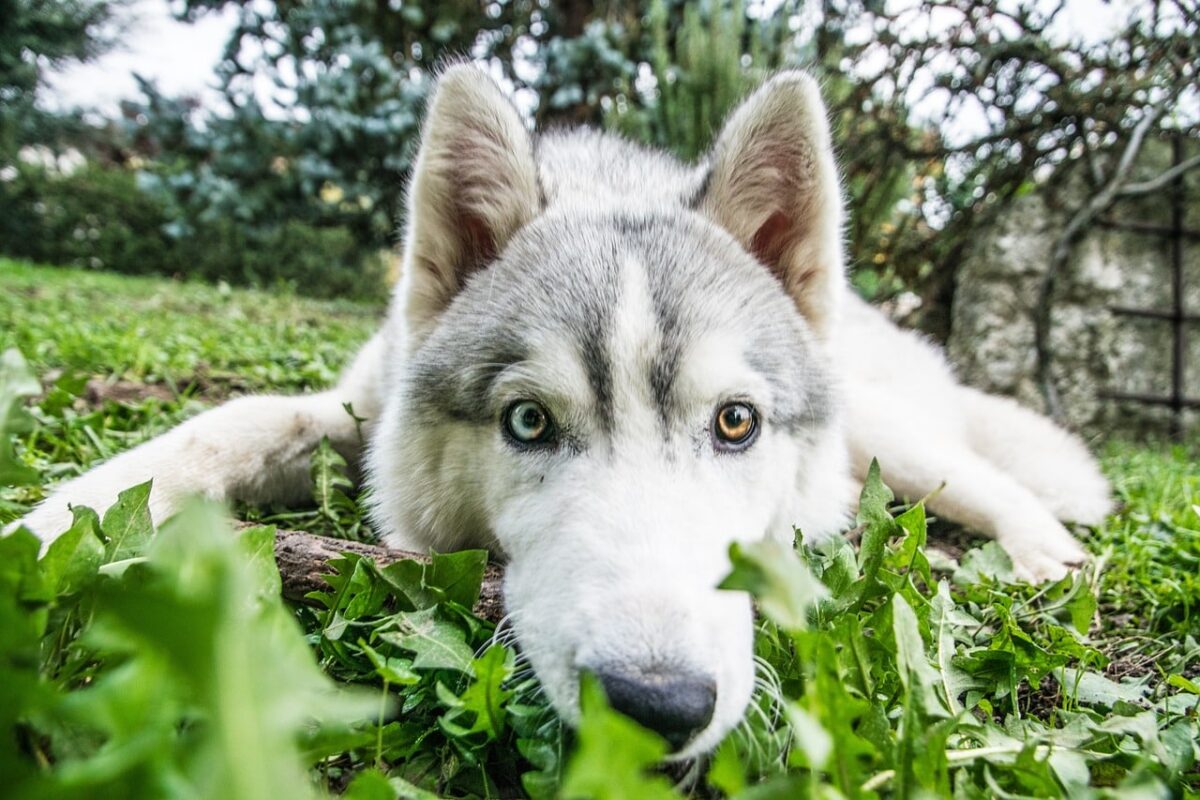
5. Siberian Husky
Few breeds have a stronger reputation for selective hearing than the Siberian Husky.
Huskies are intelligent, energetic, curious, and independent. They were bred to pull sleds over long distances and function as working dogs in demanding environments. Their history didn’t require them to constantly sit around waiting for human instructions.
This can make traditional obedience training frustrating if owners expect instant compliance.
A Husky may know exactly what “come” means and still decide that continuing to explore is more interesting.
Training tip
Make training rewarding and consistent. Reliable recall is particularly important, and Huskies should generally be exercised in secure areas because their tendency to run and explore can be strong.
6. Dachshund
Dachshunds were bred to pursue animals underground, and their compact bodies were designed for a job that required determination and independence.
That tenacity remains part of their personality.
A Dachshund may become intensely focused on a smell or activity and temporarily forget that its owner has other plans. They can also become frustrated by repetitive training if there isn’t enough motivation.
Their small size shouldn’t lead owners to underestimate their exercise, enrichment, or training needs.
Training tip
Use short sessions and high-value rewards. Games involving searching, scent work, and problem-solving can make training more engaging.
Because Dachshunds have a long-backed body structure, exercise and handling should also be managed with their physical needs in mind.
7. Beagle
The Beagle’s nose can be both its greatest talent and an owner’s biggest training challenge.
Bred to hunt using scent, Beagles are naturally curious about the world around them. An interesting smell can become extremely compelling, and once a Beagle is focused on a scent trail, getting its attention back can take work.
This isn’t necessarily stubbornness in the human sense. It’s an instinct that has been deliberately developed over generations.
Training tip
Practice attention and recall in controlled environments before adding major distractions. Scent games can also give your Beagle an appropriate outlet for its remarkable nose.
A secure yard or leash is especially important because following an interesting scent can lead a dog surprisingly far from home.
8. Shiba Inu
The Shiba Inu is often described as independent, confident, and somewhat cat-like in personality.
These dogs can be extremely intelligent, but intelligence doesn’t automatically translate into a desire to obey every command.
A Shiba may evaluate a situation before deciding whether participating is worthwhile. They can also be sensitive to overly forceful handling, making positive, thoughtful training particularly important.
Training tip
Build cooperation instead of relying on physical control. Reward desirable behaviors, establish clear boundaries, and teach your Shiba to focus on you despite distractions.
Early socialization and training can be especially valuable because confident independence can become difficult to manage without appropriate guidance.
9. Chow Chow
The Chow Chow is another breed known for its independent nature.
These dogs are often more reserved than highly social breeds and may not constantly seek approval from their owners. That can make traditional obedience training feel different from working with a dog that eagerly performs for praise.
A Chow Chow may prefer to observe a situation before participating.
Their reserved personality also means owners should focus on building trust rather than expecting instant enthusiasm.
Training tip
Begin training early and use calm, consistent methods. Keep expectations realistic and reward cooperation. Harsh approaches can damage trust and make future training more difficult.
10. Scottish Terrier
Scottish Terriers, or Scotties, are small dogs with plenty of confidence.
Like other terriers, they were bred to pursue and deal with prey, which required determination and persistence. That same persistence can become apparent when an owner is trying to redirect their attention.
A Scottie may decide that investigating something interesting is more important than performing another repetition of a command.
Training tip
Use variety and motivation. Short sessions, interactive games, food rewards, and appropriate outlets for digging and exploration can help prevent boredom.
Consistency is important because allowing a behavior occasionally can teach a determined terrier that persistence eventually pays off.
11. Great Pyrenees
The Great Pyrenees provides one of the clearest examples of why independence shouldn’t be confused with disobedience.
These large livestock guardian dogs were developed to protect animals, often making decisions without a person standing beside them and issuing instructions every few seconds.
That working history helped create a dog capable of assessing situations independently.
In a modern home, however, this independence can sometimes look like stubbornness. A Great Pyrenees may not respond with the speed of a breed specifically developed for close obedience work.
Training tip
Start training early and focus on practical skills such as leash manners, recall, boundary awareness, and calm behavior around people and animals.
Because these dogs are large and powerful, reliable everyday manners are particularly important.
12. Basset Hound
The Basset Hound’s extraordinary sense of smell can make obedience training an exercise in patience.
Bassets were developed for scent-based hunting and have an impressive ability to follow trails. When their nose takes over, everything else may temporarily become secondary.
Their laid-back appearance can also be misleading. A Basset may look like it would rather sleep all day, but its instincts remain strong.
Training tip
Use scent-based activities as part of enrichment and training. Reward your dog for checking in with you and gradually practice obedience around increasingly interesting smells.
A secure environment is important because a Basset following a scent may not be particularly concerned about whether its owner is calling from behind.
13. Pekingese
The Pekingese is a small companion breed with a confident and independent personality.
Historically associated with Chinese imperial courts, these dogs were bred primarily for companionship rather than for demanding obedience-based work.
That doesn’t mean a Pekingese cannot learn.
Instead, they may be less motivated by repetitive exercises that don’t offer an obvious reward. Their confident personality can make owners feel as though the dog is negotiating rather than obeying.
Training tip
Keep training sessions brief, positive, and rewarding. Don’t mistake a small dog’s independence for a reason to skip training—basic manners are still important for safety and household harmony.
Why Are Some Dogs Harder to Train?
Calling a dog “disobedient” can oversimplify what is actually happening.
Several factors can make obedience more difficult.
Independent Working History
Some breeds were specifically developed to make decisions without constant human direction.
Livestock guardians and certain hunting breeds are good examples.
Strong Prey Drive
A dog focused on a squirrel, rabbit, bird, or other moving animal may struggle to respond to its owner immediately.
Powerful Senses
Scent hounds can become deeply absorbed in smells. For them, following an interesting scent is not simply a distraction—it is a major part of their natural behavior.
Low Motivation for Repetition
Some dogs don’t find repeating the same command over and over particularly rewarding. Changing the reward or turning training into a game can make a significant difference.
Environment
A dog that responds perfectly in a quiet living room may appear “disobedient” at a busy park.
The problem may simply be that the distraction level is too high.
Stubborn Doesn’t Mean Stupid
One of the biggest misconceptions about these breeds is that difficulty with obedience indicates low intelligence.
It doesn’t.
A dog can be extremely intelligent while being less willing to perform a behavior simply because its owner requested it.
Think about the difference between:
“Can this dog learn the command?”
and
“Will this dog perform the command under these circumstances?”
Those are two different questions.
Training success depends on motivation, environment, reinforcement, relationship, consistency, genetics, previous learning, and the specific behavior being taught.
How to Train an Independent Dog
If you live with a dog that seems determined to do things its own way, changing your training strategy can help.
1. Find the right reward
Some dogs work for treats. Others prefer toys, praise, play, sniffing opportunities, or access to something they want.
Discover what motivates your individual dog.
2. Keep sessions short
Long repetitive sessions can cause frustration and boredom. Several brief sessions may be more effective than one long lesson.
3. Start somewhere quiet
Don’t expect a dog to master a command in the living room and immediately perform it perfectly in a crowded park.
Increase distractions gradually.
4. Reward good decisions
Don’t only reward formal commands. If your dog voluntarily checks in with you, settles calmly, leaves something alone, or chooses to return to you, those behaviors can also be worth reinforcing.
5. Avoid repeating commands endlessly
If you say “come” five times before your dog moves, the dog may learn that the first four repetitions don’t matter.
Instead, improve the setup and make responding worthwhile.
6. Give instinct an appropriate outlet
A Beagle can use its nose. A terrier can play structured chase and digging games. A Husky can exercise and explore safely.
Meeting natural behavioral needs can make cooperation easier.
7. Teach independence and impulse control
Training isn’t only about getting a dog to obey. It is also about teaching the dog how to make appropriate choices around distractions.
Common Training Mistakes to Avoid
Independent breeds can expose weaknesses in an owner’s training strategy.
Avoid:
- Using punishment as the primary training method
- Repeating commands constantly
- Expecting instant obedience in distracting environments
- Training for too long
- Giving rewards inconsistently
- Allowing unwanted behavior sometimes but not others
- Ignoring exercise and enrichment needs
- Assuming a stubborn dog is unintelligent
- Expecting every breed to train in exactly the same way
- Skipping socialization because a dog is naturally independent
Consistency and patience are generally more useful than frustration.
Which of These Dogs Is Right for You?
There is no universally perfect dog for every household.
An independent breed may be incredibly rewarding for someone who enjoys training, enrichment, outdoor activities, and working with a dog’s natural instincts. The same traits could feel challenging for someone looking for a dog that responds immediately to every instruction.
Before choosing a breed, consider:
- Your previous dog-owning experience
- How much daily exercise you can provide
- How much training time you have
- Whether you have a securely fenced area
- Your tolerance for barking or vocalization
- Your household’s activity level
- Whether you have children or other pets
- Grooming requirements
- Breed-specific health considerations
- How much independence you are comfortable managing
Researching the breed is only part of the process. Meeting individual dogs and talking with responsible breeders, shelters, rescues, trainers, and veterinarians can also help you understand whether a particular dog fits your lifestyle.
Frequently Asked Questions
Are these dog breeds actually disobedient?
“Disobedient” is a broad label. Many of these breeds are better described as independent, highly distractible, strongly instinct-driven, or less motivated by traditional obedience training.
Does stubbornness mean a dog is unintelligent?
No. Intelligence and willingness to obey are different characteristics. Some independent dogs learn commands very quickly but don’t always see a reason to perform them.
Can an independent dog be trained?
Absolutely. Independent dogs can learn excellent manners and useful behaviors. Training may simply require more creativity, motivation, consistency, and patience.
Which dogs are most likely to ignore commands because of smells?
Scent-oriented breeds such as Beagles and Basset Hounds can become particularly focused on interesting smells. Training attention and recall in progressively distracting environments is important.
Are Huskies impossible to train?
No. Siberian Huskies can learn a wide range of behaviors. Their independence, energy, curiosity, and tendency to explore can make training more challenging, but these traits don’t make them untrainable.
Should I punish my dog for ignoring a command?
Punishment can create fear, frustration, or confusion and doesn’t necessarily teach the dog what you want them to do instead. Reward-based training and better management of distractions are generally more constructive approaches.
Can an older dog with poor obedience still learn?
Yes. Dogs can learn throughout their lives. Older dogs may need training adapted to their physical abilities, previous experiences, and motivation, but age alone doesn’t prevent learning.
Final Thoughts
The dogs on this list aren’t necessarily “bad listeners.” Many simply come with strong instincts and personalities that weren’t designed around constant obedience.
An Afghan Hound may value independence. A Beagle may value a fascinating scent. A Husky may want to explore. A Great Pyrenees may believe that assessing a situation independently is part of its job. A terrier may become completely absorbed in whatever it is investigating.
Understanding why a dog behaves this way can change the entire training experience.
Instead of asking, “Why won’t my dog obey me?”, it can be more useful to ask, “What is motivating my dog right now, and how can I make the behavior I want more rewarding?”
With patience, appropriate rewards, realistic expectations, and plenty of mental and physical enrichment, even a famously independent dog can become a well-mannered and enjoyable companion.
This Article Was Generated By AI.





Leave a comment