




Walk through an animal shelter and you’ll likely meet dogs of many different shapes, sizes, ages, and backgrounds. Some arrived as strays, others were surrendered by families, and some were rescued from difficult circumstances.
Certain breeds and breed types may appear frequently in shelters, but there isn’t one universal list that applies everywhere. Shelter populations differ dramatically from one community to another. Local dog ownership trends, housing restrictions, breeding practices, economic conditions, and how shelters identify mixed-breed dogs can all influence which dogs are most commonly available for adoption.
One important point is that appearing in a shelter doesn’t mean a dog is a “bad” breed.
In many cases, shelter dogs simply need a home that understands their individual personality, energy level, training needs, and medical history.
Here are 10 breeds or commonly identified dog types you may encounter in shelters, along with some of the considerations potential adopters should understand.
1. American Pit Bull Terrier and Pit Bull-Type Dogs
Pit bull-type dogs are frequently represented in many animal shelters, particularly in parts of the United States.
One reason is that “pit bull” is often used as a broad visual label for dogs with certain physical characteristics. Shelters may identify a mixed-breed dog as a pit bull type even when its ancestry is unknown.
This makes breed identification from appearance alone imperfect.
Individual dogs can have very different personalities. Some are energetic and playful, while others are calm and affectionate. As with any adoption, temperament should be evaluated on the individual dog rather than assumed from appearance or breed label.
Potential adopters should consider:
- The dog’s individual temperament
- Exercise requirements
- Training history
- Compatibility with other animals
- Local housing or breed restrictions
- Strength and leash manners
- Socialization needs
Responsible ownership, appropriate training, and safe management are important regardless of breed.
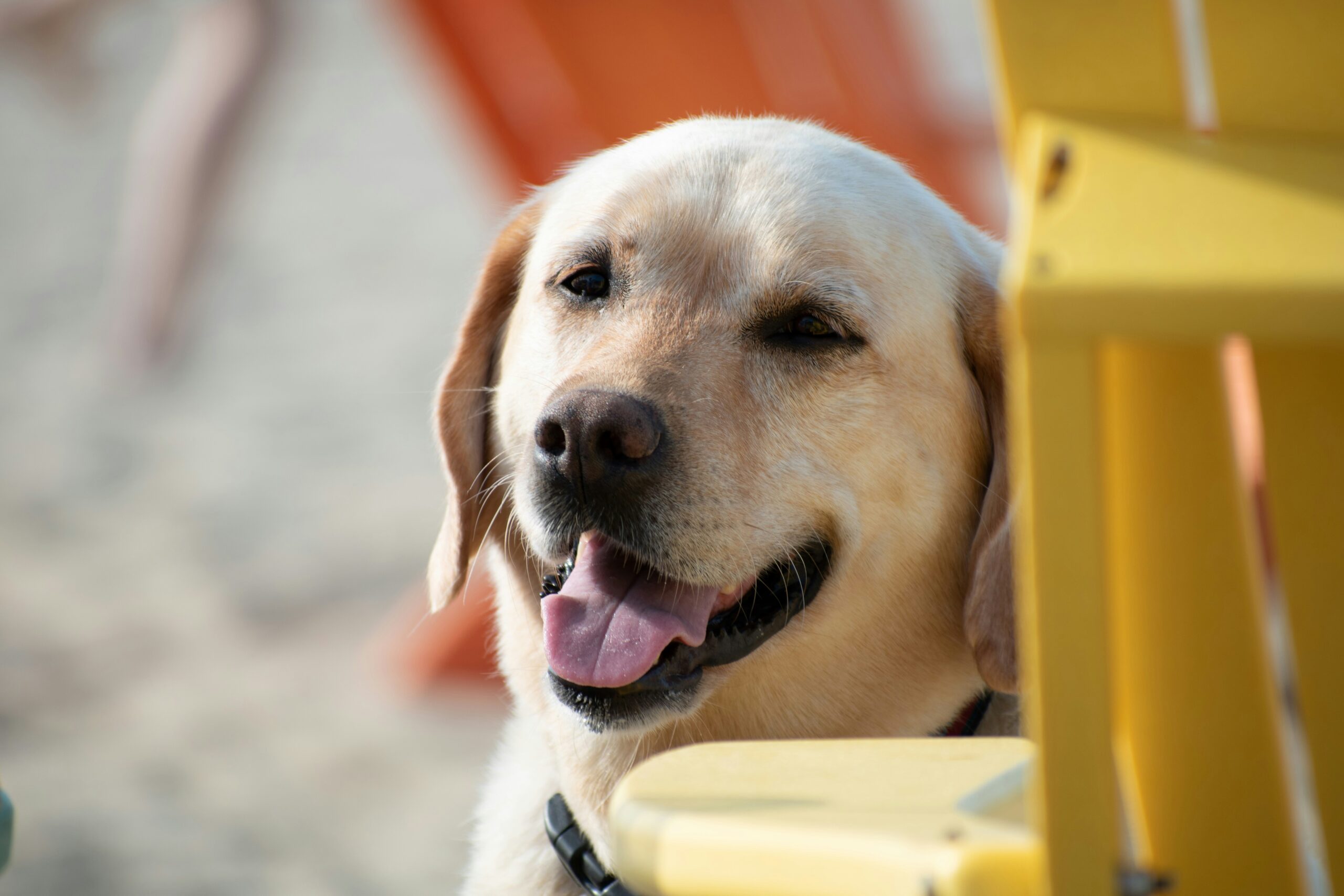
2. Labrador Retriever
Labrador Retrievers are among the world’s most recognizable and popular dogs, so it’s not surprising that Labs and Lab mixes can also appear in shelters.
Popularity can increase the number of dogs of a particular breed in the overall population. Even a relatively small percentage of owners surrendering their dogs can therefore translate into noticeable numbers.
Labs are often friendly, enthusiastic, and highly food-motivated, but young Labradors can be energetic and require substantial exercise.
Their playful nature can also be mistaken for being easy to manage.
Before adopting a Labrador, think about:
- Daily exercise
- Training
- Chewing and adolescent behavior
- Weight management
- Mental stimulation
- Time spent alone
- Long-term veterinary costs
An adult Lab that has already developed good household habits may be very different from an energetic adolescent.
3. Chihuahua
Chihuahuas are tiny dogs with surprisingly big personalities.
Because of their small size, some people assume they require little work. In reality, Chihuahuas still need training, socialization, exercise, veterinary care, dental care, and mental stimulation.
Some may be especially attached to their owners, while others can be cautious around unfamiliar people.
Their small bodies also mean they can be vulnerable to accidental injuries, particularly in households with larger dogs or very young children.
Chihuahua adopters should look beyond their size.
Ask about:
- Barking behavior
- Socialization
- Comfort around strangers
- Handling tolerance
- House-training history
- Compatibility with children and pets
- Dental health
A well-matched Chihuahua can be a devoted and entertaining companion.
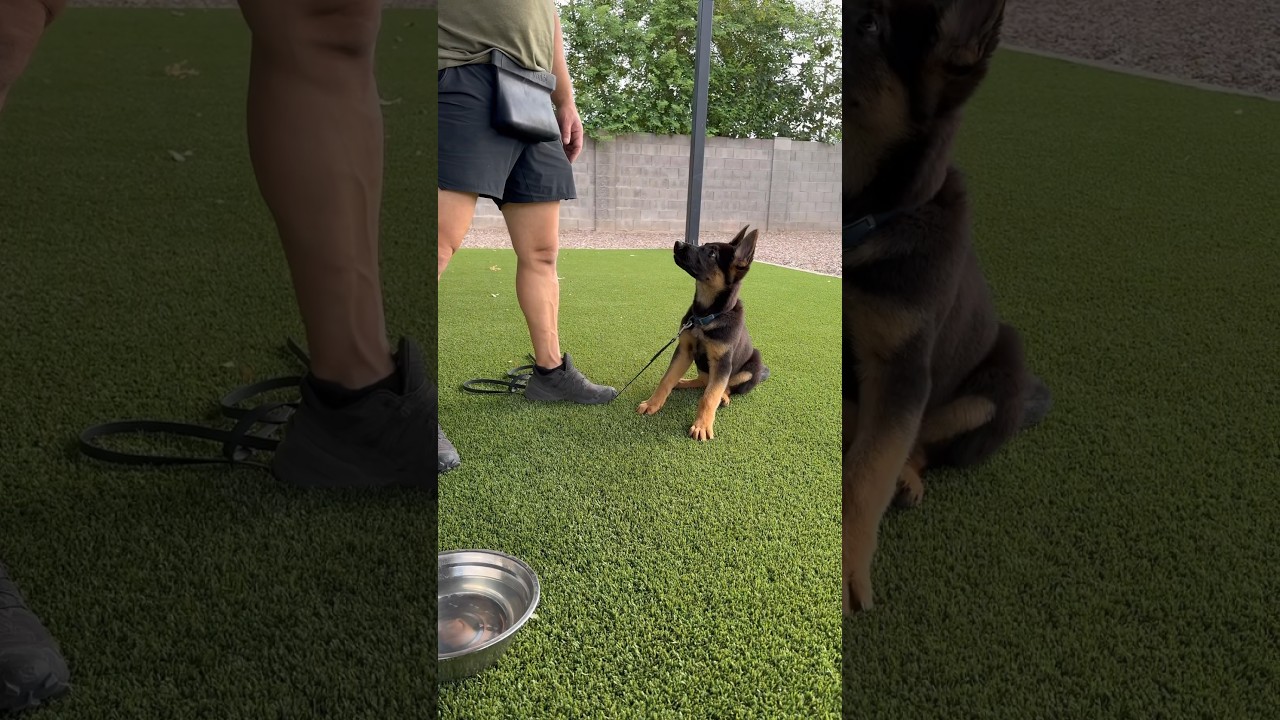
4. German Shepherd
German Shepherds are intelligent, athletic, and versatile working dogs.
Their intelligence is one of their greatest strengths, but it also means they need appropriate mental and physical outlets.
A German Shepherd without enough exercise, training, or structure may become difficult to manage. Protective instincts can also require careful socialization and responsible handling.
Shelters may occasionally receive German Shepherds and German Shepherd mixes because an owner underestimated the amount of work involved in raising one.
A German Shepherd may thrive with:
- Structured training
- Daily exercise
- Puzzle toys
- Obedience work
- Scent games
- Consistent household rules
- Experienced handling
When adopting an adult, ask shelter staff about the dog’s behavior around people, dogs, handling, and everyday household situations.
5. Boxer
Boxers are playful, energetic, and often extremely enthusiastic about interacting with their families.
That enthusiasm can be wonderful—but it can also be challenging.
A young Boxer may jump, bounce, mouth objects, and have seemingly endless energy. Without training and appropriate exercise, some owners may struggle to manage those behaviors.
A shelter Boxer shouldn’t automatically be considered problematic. Instead, adopters should learn what the individual dog needs.
Important considerations include:
- Exercise requirements
- Training history
- Behavior around children
- Leash manners
- Dog-to-dog compatibility
- Ability to settle indoors
- Health and veterinary history
For an active household willing to provide structure and engagement, a Boxer can be an affectionate companion.
6. Beagle
Beagles are friendly scent hounds with an extraordinary interest in smells.
That nose is part of what makes them so entertaining—but it can also create challenges.
A Beagle that catches an interesting scent may become extremely focused on following it. Secure fencing and reliable management are therefore important.
They can also be vocal, and their tendency to use their voices may not suit every apartment or neighborhood.
Beagle adopters should be prepared for:
- Regular walks
- Scent-based enrichment
- Secure outdoor areas
- Food management
- Training
- Potential vocal behavior
- Plenty of companionship
Rather than trying to suppress a Beagle’s natural curiosity, owners can channel it into scent games and structured activities.
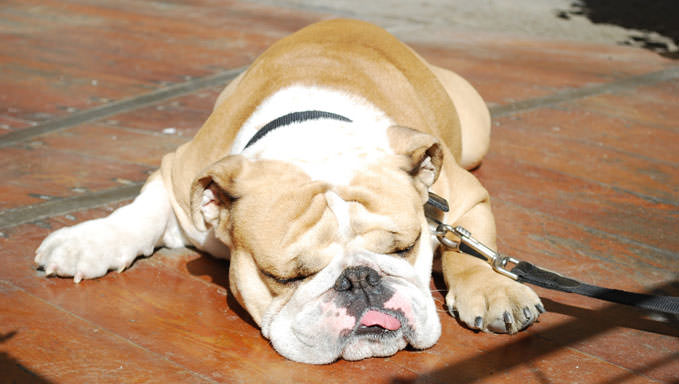
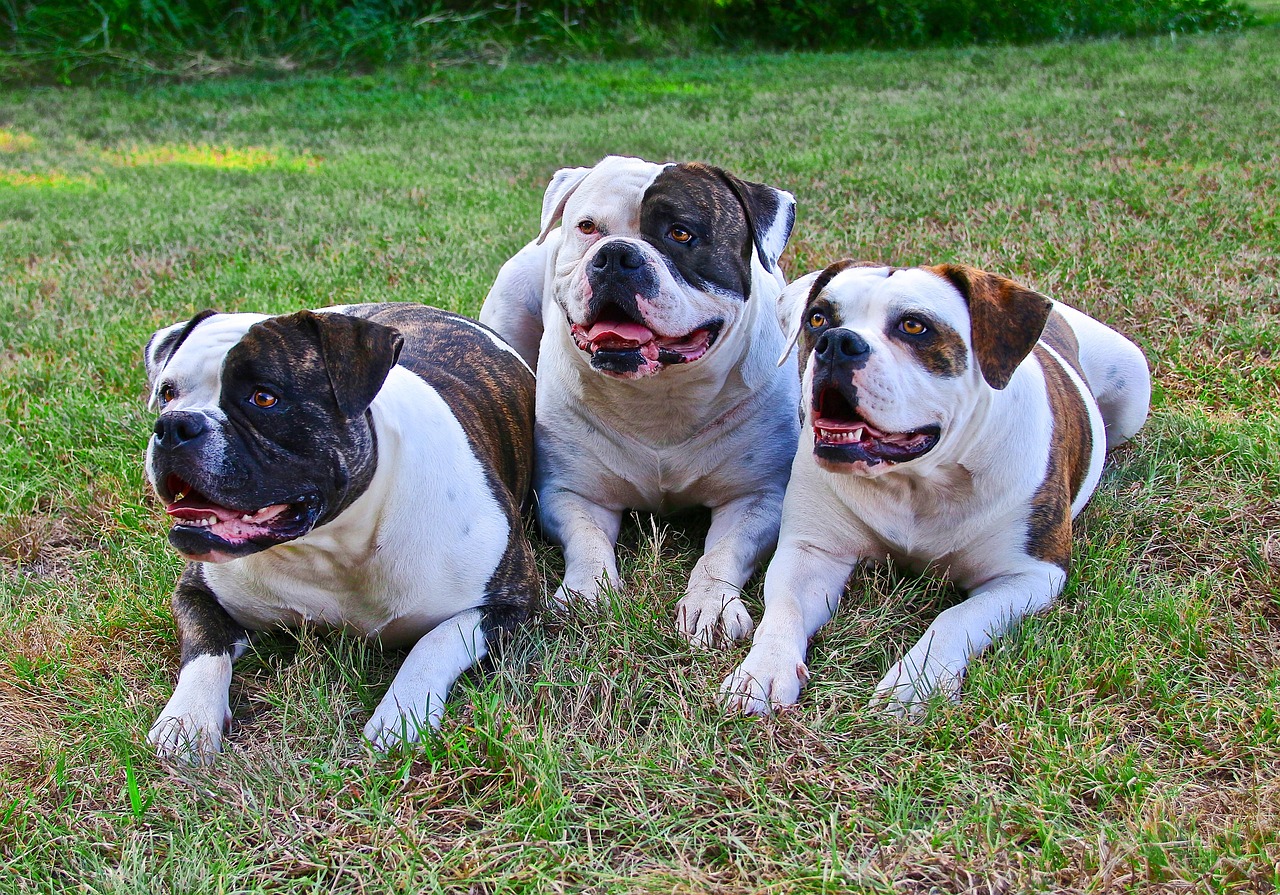
7. American Bulldog
American Bulldogs are strong, athletic dogs that can form close bonds with their families.
Their physical strength is an important consideration for adopters. A powerful dog needs good leash manners and appropriate training because even friendly behavior can become difficult to control when an adult dog is physically strong.
Individual temperament varies considerably.
Some American Bulldogs may be relaxed and affectionate, while others may be more energetic, independent, or selective around unfamiliar dogs.
Before adoption, evaluate:
- Leash behavior
- Dog-to-dog interactions
- Energy level
- Training history
- Resource guarding
- Comfort around strangers
- Household compatibility
Potential adopters should focus on the individual dog’s demonstrated behavior rather than relying solely on breed stereotypes.
8. Dachshund
Dachshunds may be small, but they are not necessarily easygoing or low-maintenance.
Originally developed for hunting, these dogs can be determined, curious, and persistent. Their strong personalities can make training entertaining but sometimes challenging.
Their distinctive long-backed body also deserves special attention. Dachshunds have an increased risk of intervertebral disc disease and other back problems, so owners should discuss preventive care with their veterinarian.
Dachshund ownership can involve:
- Regular but appropriate exercise
- Weight control
- Training
- Mental enrichment
- Care around jumping and stairs
- Dental care
- Veterinary monitoring
Their compact size makes them convenient for many homes, but their physical and behavioral needs still need to be taken seriously.
9. Cocker Spaniel
Cocker Spaniels are affectionate, attractive dogs that can make wonderful companions.
However, their beautiful coats require regular maintenance, and their long, floppy ears need appropriate care.
Ear problems can occur in dogs with pendulous ears, particularly when moisture, wax, allergies, or other underlying issues contribute to inflammation.
Grooming shouldn’t be considered optional simply because a shelter dog has a short haircut at the time of adoption.
Potential Cocker Spaniel adopters should consider:
- Regular brushing
- Professional grooming
- Ear monitoring
- Dental care
- Exercise
- Training
- Veterinary expenses
Ask the shelter whether the dog’s ears, skin, eyes, and coat have been examined and whether there are any ongoing medical recommendations.
10. Rottweiler
Rottweilers are powerful dogs with a long history as working and guardian-type dogs.
Their strength makes training and responsible management especially important.
A Rottweiler doesn’t need to be aggressive to require careful handling. Even a friendly adult can be difficult to control if it has poor leash manners or hasn’t learned appropriate behavior around people and other dogs.
Early socialization is valuable, but adult rescue dogs can also learn new skills with patient, consistent training.
Before adopting a Rottweiler, consider:
- Your ability to physically manage the dog
- Training requirements
- Exercise needs
- Social behavior
- Household rules
- Local regulations
- Veterinary and food expenses
The individual dog’s temperament and history should be evaluated carefully.
Why Do Certain Dogs End Up in Shelters?
There is rarely a single reason.
Dogs can enter shelters because of:
Lifestyle mismatches
A family may discover that a high-energy dog doesn’t fit their daily routine.
Housing problems
Moving to a property with restrictions, losing housing, or changes in household circumstances can force difficult decisions.
Financial difficulties
Veterinary treatment, food, grooming, training, and other expenses can become challenging for some families.
Lack of preparation
People sometimes choose dogs based primarily on appearance without understanding their adult size, energy level, grooming needs, or temperament.
Behavioral challenges
Jumping, barking, chewing, escaping, leash pulling, reactivity, and separation-related problems can overwhelm owners who don’t have the right support.
Changes in family circumstances
Divorce, illness, job changes, relocation, or the arrival of a new baby can alter a household’s ability to care for a dog.
Stray populations
In some communities, large numbers of unowned dogs enter shelters or rescue organizations as strays.
Why Shelter Breed Labels Aren’t Always Exact
This is particularly important when discussing “most common breeds.”
Many shelter dogs are mixed breeds.
A dog may be labeled as a particular breed based on appearance, even when its actual genetic ancestry is unknown.
For example, a shelter might describe a muscular, short-coated dog as a “Pit Bull mix,” while another organization might use a different label for a very similar-looking dog.
DNA testing can provide additional information, but even genetic testing has limitations depending on the test and the dog’s ancestry.
For adopters, the dog’s observed behavior and individual needs are usually more useful than a breed label alone.
Why Shelter Dogs Deserve Individual Evaluation
Two dogs with the same breed label can have completely different personalities.
One may love everyone it meets.
Another may be nervous around strangers.
One may enjoy playing with other dogs.
Another may prefer to be the only pet.
One may be comfortable in an apartment.
Another may need a more active environment.
That’s why reputable shelters often conduct behavioral assessments and talk with potential adopters about the dog’s known history.
When possible, ask:
- How does the dog behave around strangers?
- How does it respond to handling?
- Has it lived with children?
- How does it behave around other dogs?
- Is it house-trained?
- Does it guard food or toys?
- What is its energy level?
- Does it walk comfortably on a leash?
- Does it show fear in particular situations?
- What medical care has it received?
The answers can help you determine whether the dog fits your household.
How to Choose the Right Shelter Dog
Instead of choosing based solely on breed or appearance, start with your lifestyle.
Consider your activity level
An athletic person may enjoy an energetic dog, while someone with a quieter routine may prefer a calmer adult.
Think about your home
Consider stairs, outdoor space, neighbors, other pets, and children.
Be realistic about time
Every dog needs attention, exercise, training, companionship, and veterinary care.
Consider an adult dog
Puppies are adorable, but they require extensive supervision and training. An adult dog may already have established habits and a more predictable personality.
Spend time with the dog
If the shelter allows it, interact with the dog in different environments. A short kennel visit may not show the full personality of an animal.
Ask shelter staff for their observations
Staff and foster families often have valuable information about how a dog behaves outside the kennel.
Adoption Is a Commitment, Not Just a Rescue Moment
Bringing home a shelter dog is a wonderful opportunity, but adoption doesn’t end when the paperwork is signed.
The dog may need time to adjust.
Some dogs settle into their new homes quickly. Others need weeks or longer to become comfortable.
A newly adopted dog may temporarily:
- Sleep more than expected
- Eat differently
- Hide
- Become unusually clingy
- Have accidents
- Bark more
- Test household boundaries
- Show behaviors that weren’t obvious at the shelter
Patience and consistency are important.
If a behavior problem is severe, a veterinarian or qualified positive-reinforcement trainer can help.
Frequently Asked Questions
Are certain dog breeds more likely to be in shelters?
Some breeds and breed types can be frequently represented in particular shelter systems, but there isn’t a universal worldwide ranking. Local dog populations and shelter practices strongly influence the numbers.
Does being in a shelter mean a dog has behavioral problems?
No. Dogs enter shelters for many reasons, including owner circumstances, stray intake, housing issues, financial difficulties, and changes in family life. Shelter status alone doesn’t tell you a dog’s personality.
Are shelter dogs harder to train?
Not necessarily. Many shelter dogs learn household routines and new behaviors very well. Training success depends on the individual dog’s history, temperament, motivation, environment, and the consistency of the new owner.
Should I choose a shelter dog based on breed?
Breed can provide useful clues about potential traits, but it shouldn’t be the only factor. Individual temperament, energy level, health, and compatibility with your household are equally important.
Is an adult shelter dog a good choice for a first-time owner?
An adult dog can be a good option for some first-time owners, particularly when shelter staff can provide detailed information about its personality and behavior. The right match depends on the individual dog and the adopter’s circumstances.
Final Thoughts
Seeing familiar breeds in animal shelters can be surprising, especially when those breeds are commonly described as excellent family companions.
But shelter populations don’t tell us that a particular breed is inherently difficult or unwanted.
Popular breeds can simply have larger overall populations, while energetic, powerful, vocal, or grooming-intensive dogs may sometimes be surrendered when owners discover that their needs don’t match their lifestyle.
The most important lesson is to look beyond the breed label.
A shelter dog is an individual with its own history, personality, strengths, and needs. Taking the time to understand those qualities can help create a better match—and give a deserving dog the opportunity to become a cherished member of a family.







Leave a comment