



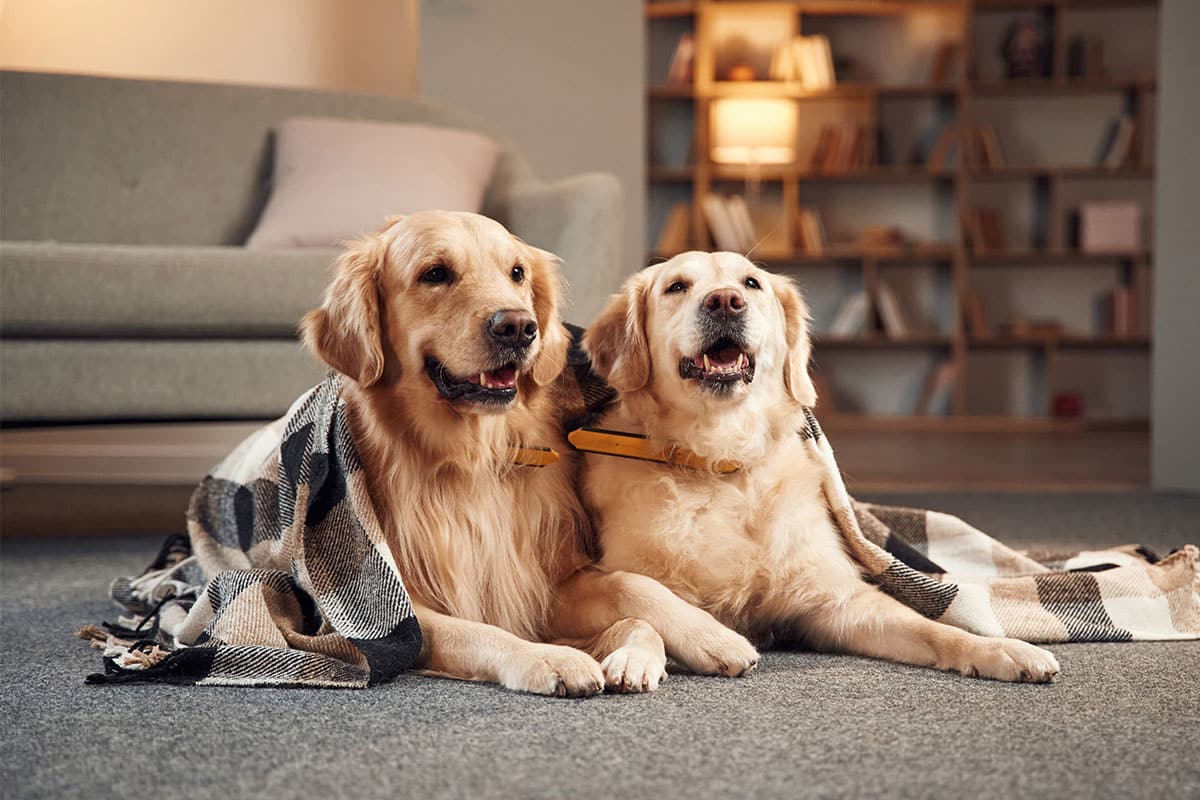
Cold winter evenings have a special kind of charm. A warm drink, a soft blanket, a favorite movie, and a furry companion curled up nearby can make even the chilliest night feel comfortable.
Some dog breeds are particularly well suited to colder climates because of their thick coats and history of working in chilly environments. Others may not be especially cold-weather specialists but are affectionate, relaxed companions who seem perfectly happy spending quiet evenings indoors.
From giant fluffy breeds to small lap dogs, here are 9 comforting dog breeds for winter that can make those cold nights feel a little warmer.
1. Bernese Mountain Dog
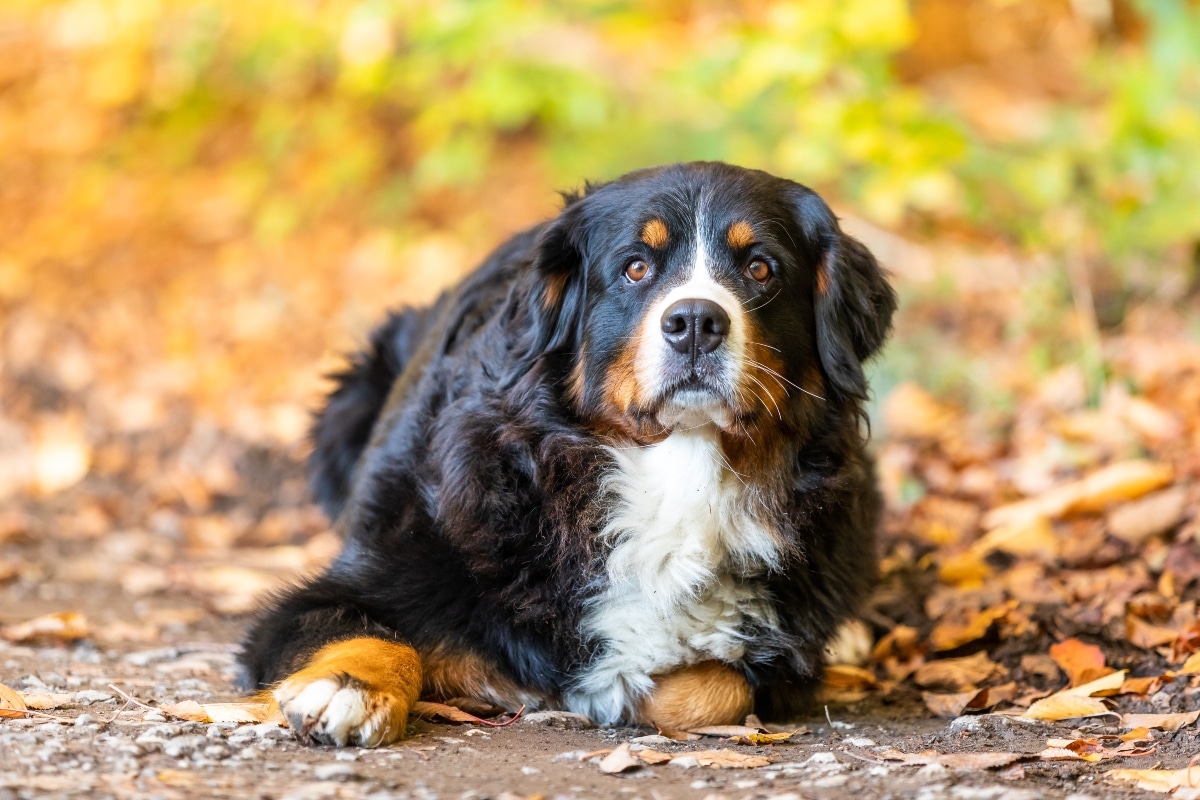
The Bernese Mountain Dog is practically built for snowy adventures and cozy evenings alike.
Their thick double coat provides insulation against cold conditions, reflecting their heritage as working dogs in the Swiss Alps. Despite their impressive size, Bernese Mountain Dogs are often affectionate and gentle with their families.
After enjoying some outdoor activity, many are happy to settle down indoors with their favorite people.
Their combination of a substantial coat, calm presence, and affectionate personality makes them a natural choice for anyone who enjoys having a large companion nearby during winter.
2. Cavalier King Charles Spaniel
Not every winter companion needs to be a giant, heavily coated dog.
The Cavalier King Charles Spaniel is small, affectionate, and well known for enjoying close companionship. These dogs often like curling up beside their people, making them natural companions for quiet evenings at home.
Their smaller size also makes them convenient for apartment living and cozy indoor spaces.
Although their coat doesn’t provide the same cold-weather protection as that of northern or mountain breeds, Cavaliers should still be protected from prolonged exposure to very cold temperatures.
For indoor winter relaxation, however, their affectionate nature can make them wonderful companions.
3. Newfoundland
Newfoundlands are famous for their impressive size, gentle personalities, and substantial coats.
Originally developed as working dogs in Newfoundland, these dogs have a dense, water-resistant double coat that provides protection in cold and wet conditions.
Despite their powerful build, Newfoundlands are often described as gentle and devoted family companions.
Their calm nature can make them especially enjoyable to have around during quiet winter evenings. Just remember that a giant dog comes with giant grooming needs—and plenty of hair.
4. Basset Hound
The Basset Hound may not be the first breed that comes to mind when you think about winter dogs, but they have plenty of qualities that make them excellent indoor companions.
With their distinctive long ears, short legs, and relaxed personalities, Basset Hounds are often content to spend plenty of time lounging around the house.
They can enjoy outdoor walks when conditions are appropriate, but many are equally happy returning indoors for a comfortable nap.
Their short coat doesn’t provide the same cold protection as a thick double-coated breed, so winter walks should be adjusted according to the weather and individual dog.
And if your Basset starts snoring beside you, consider it part of the winter soundtrack.
5. Great Pyrenees
The Great Pyrenees was developed to protect livestock in mountainous regions, so cold-weather conditions are familiar territory for this breed.
Their thick, weather-resistant double coat helps provide insulation, while their large size gives them an unmistakably impressive presence.
At home, Great Pyrenees can be calm and affectionate with their families. They may enjoy spending time outdoors in suitable weather but also appreciate having a comfortable place to rest indoors.
Their independent nature means they aren’t necessarily traditional lap dogs, but their size and fluffy coats certainly make them impressive winter companions.
6. Golden Retriever
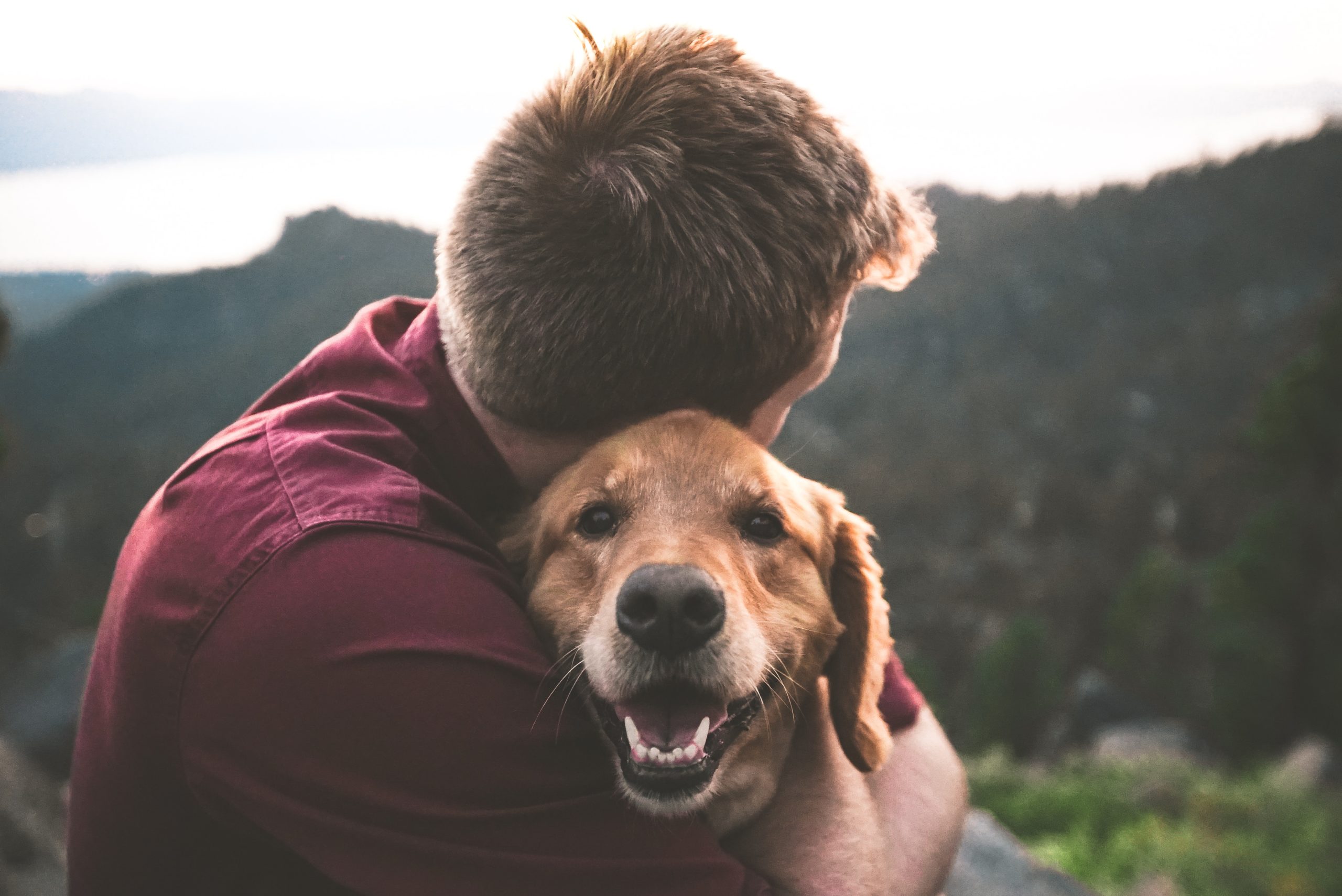
Golden Retrievers bring warmth to winter in a different way.
Their friendly, affectionate personalities make them popular family companions, while their dense double coats provide some protection against cool weather.
Many Goldens enjoy playing outdoors, exploring snowy areas, and participating in winter activities with their families.
Once the adventure is over, they’re often just as happy relaxing inside with their humans.
Their enthusiasm and affectionate nature can make a Golden Retriever a particularly cheerful companion when shorter days and colder temperatures have you spending more time indoors.
7. Alaskan Malamute
Few breeds are as closely associated with cold weather as the Alaskan Malamute.
These powerful working dogs were developed for hauling heavy loads across Arctic environments. Their dense double coat provides substantial insulation, allowing them to handle cold conditions much better than many short-coated breeds.
Malamutes are also social and often form strong bonds with their families.
However, their winter-loving reputation doesn’t mean they should simply be left outside without proper care. They still need shelter, fresh water, supervision, and protection from dangerous weather conditions.
With appropriate care, an Alaskan Malamute can be an energetic winter adventure partner and a devoted family companion.
8. Saint Bernard
The Saint Bernard has a long association with snowy mountain environments.
Historically connected with rescue work in the Swiss Alps, these large dogs developed a reputation for strength and endurance in challenging conditions.
Today, Saint Bernards are often valued as affectionate family companions.
Their size and substantial coat certainly make them feel like natural winter dogs, but their real appeal may be their gentle presence. A Saint Bernard can happily settle near the family after a suitable outdoor adventure.
Just be prepared for drool, shedding, and a dog that may believe your couch was specifically designed for them.
9. Shih Tzu
The Shih Tzu offers a completely different type of winter companionship.
These small companion dogs are known for their affectionate personalities and enjoyment of human company. They can be perfectly content curling up beside their owners during a quiet evening.
Unlike the large breeds on this list, Shih Tzus aren’t designed for extended exposure to freezing conditions. Their small bodies can lose heat more quickly, and their long coat shouldn’t be mistaken for unlimited cold-weather protection.
For winter, their strength is really their ability to provide companionship indoors.
A Shih Tzu curled up beside you under a blanket can turn an ordinary evening into a cozy one.
What Makes a Dog a Great Winter Companion?
A good winter companion doesn’t necessarily have to be a breed specifically developed for cold climates.
Consider these characteristics:
A Coat Appropriate for the Climate
Dogs with dense double coats generally have more natural insulation than short-coated breeds. However, coat type is only one factor in cold tolerance.
An Affectionate Personality
A dog that enjoys spending time with people can make indoor winter evenings especially enjoyable.
A Comfortable Energy Level
Some dogs want to spend winter running through the snow, while others would rather nap beside the heater. Choose activities according to your dog’s individual needs.
Adaptability
Dogs that can comfortably transition between outdoor activity and indoor relaxation can make versatile winter companions.
A Good Fit for Your Lifestyle
Size, grooming requirements, exercise needs, training, and temperament all matter. A fluffy giant breed isn’t automatically the right choice simply because you live somewhere cold.
How to Keep Your Dog Comfortable in Winter
Even breeds known for cold-weather tolerance need responsible care during winter.
Keep these tips in mind:
- Provide a warm, dry place for your dog to rest.
- Avoid leaving your dog outside for excessive periods in extreme weather.
- Check paws after walks, especially where ice, salt, or other de-icing materials are present.
- Dry your dog’s coat after playing in snow or wet conditions.
- Provide fresh water indoors and outdoors when appropriate.
- Use properly fitted winter clothing for dogs that need extra protection.
- Watch for signs that your dog is becoming too cold.
- Adjust outdoor activity based on temperature, wind, precipitation, and your dog’s individual tolerance.
Remember that puppies, senior dogs, small dogs, and dogs with certain health conditions may be more vulnerable to cold temperatures.
Which Winter Dog Is Right for You?
The best winter companion depends on what you’re looking for.
If you want a large, fluffy companion, breeds such as the Bernese Mountain Dog, Newfoundland, Great Pyrenees, Saint Bernard, and Alaskan Malamute may appeal to you.
If you prefer a smaller indoor companion, a Cavalier King Charles Spaniel or Shih Tzu may be more suitable.
If you want an active family dog that enjoys outdoor adventures, the Golden Retriever can be an appealing choice.
And if you prefer a laid-back house companion, the Basset Hound may fit your lifestyle better.
Breed tendencies can provide useful clues, but individual dogs can vary considerably.
Final Thoughts
Winter can be even more enjoyable when you have a dog by your side.
Some breeds are naturally equipped for snowy weather thanks to their thick coats and working backgrounds. Others contribute to winter coziness simply through their affectionate personalities and love of relaxing indoors.
Whether your ideal companion is a giant Newfoundland or a tiny Shih Tzu, the most important thing is providing an environment where your dog can stay warm, comfortable, active, and healthy throughout the colder months.
A cozy winter evening isn’t really about finding the perfect “furry heater.” It’s about sharing comfortable moments with a dog who feels safe, loved, and happy by your side.
This Article Was Generated By AI.






Leave a comment