




Some dogs seem happiest when they’re surrounded by people, other dogs, and plenty of activity.
They may eagerly greet visitors, enjoy family outings, look forward to meeting new dogs, or simply follow their favorite people from room to room. While individual personality always matters, certain breeds are known for being particularly people-oriented, playful, and socially engaged.
If you’re looking for a dog that enjoys being part of the action, these 13 breeds are worth getting to know.
1. Golden Retriever
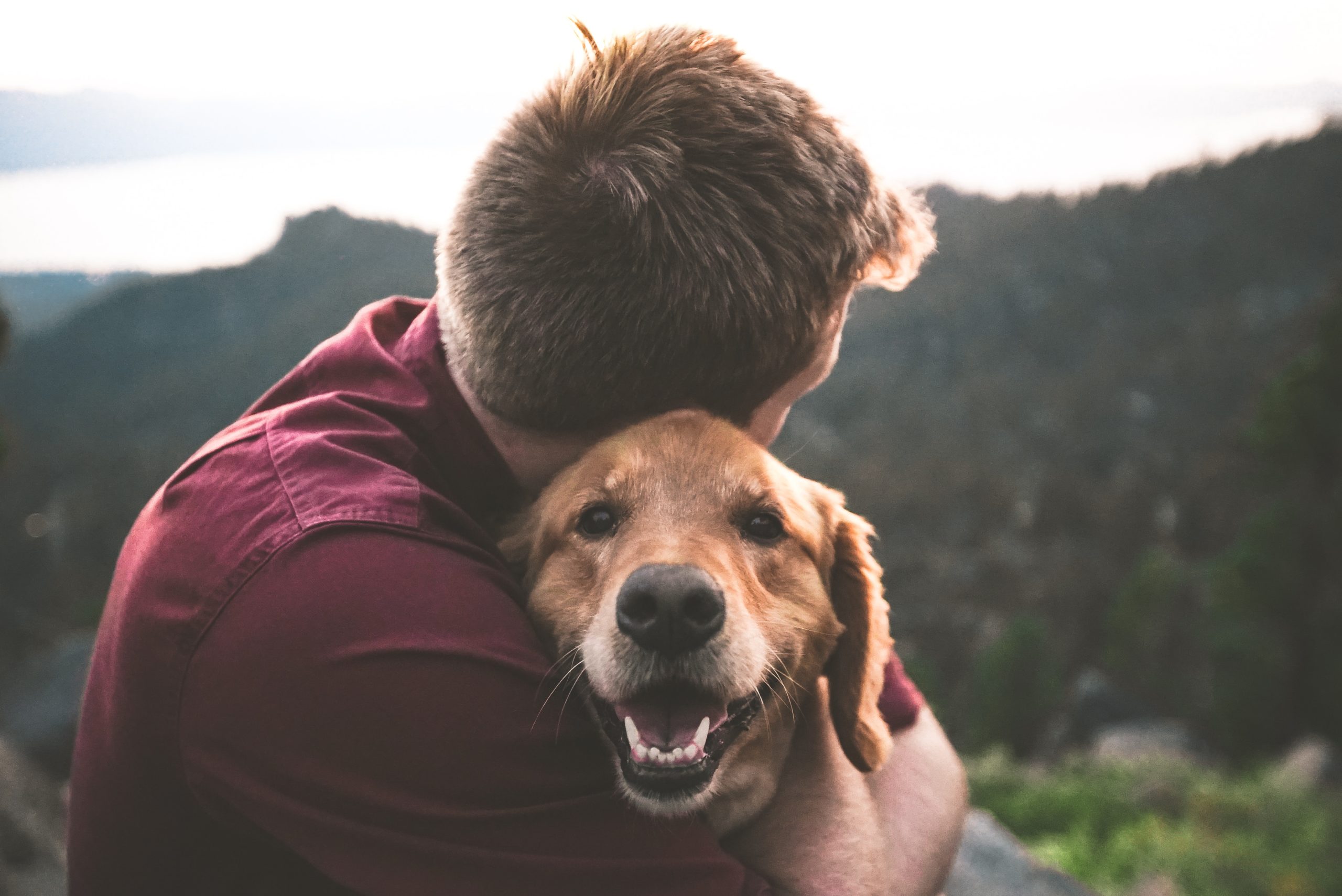
Golden Retrievers are well known for their friendly and affectionate personalities.
Many Goldens enjoy meeting new people and participating in family activities. Their combination of sociability, trainability, and enthusiasm can make them comfortable in many different environments when properly socialized.
They often enjoy activities that involve both people and other dogs, from walks and training sessions to supervised play.
However, their social nature doesn’t eliminate their need for exercise and mental stimulation.
2. Labrador Retriever
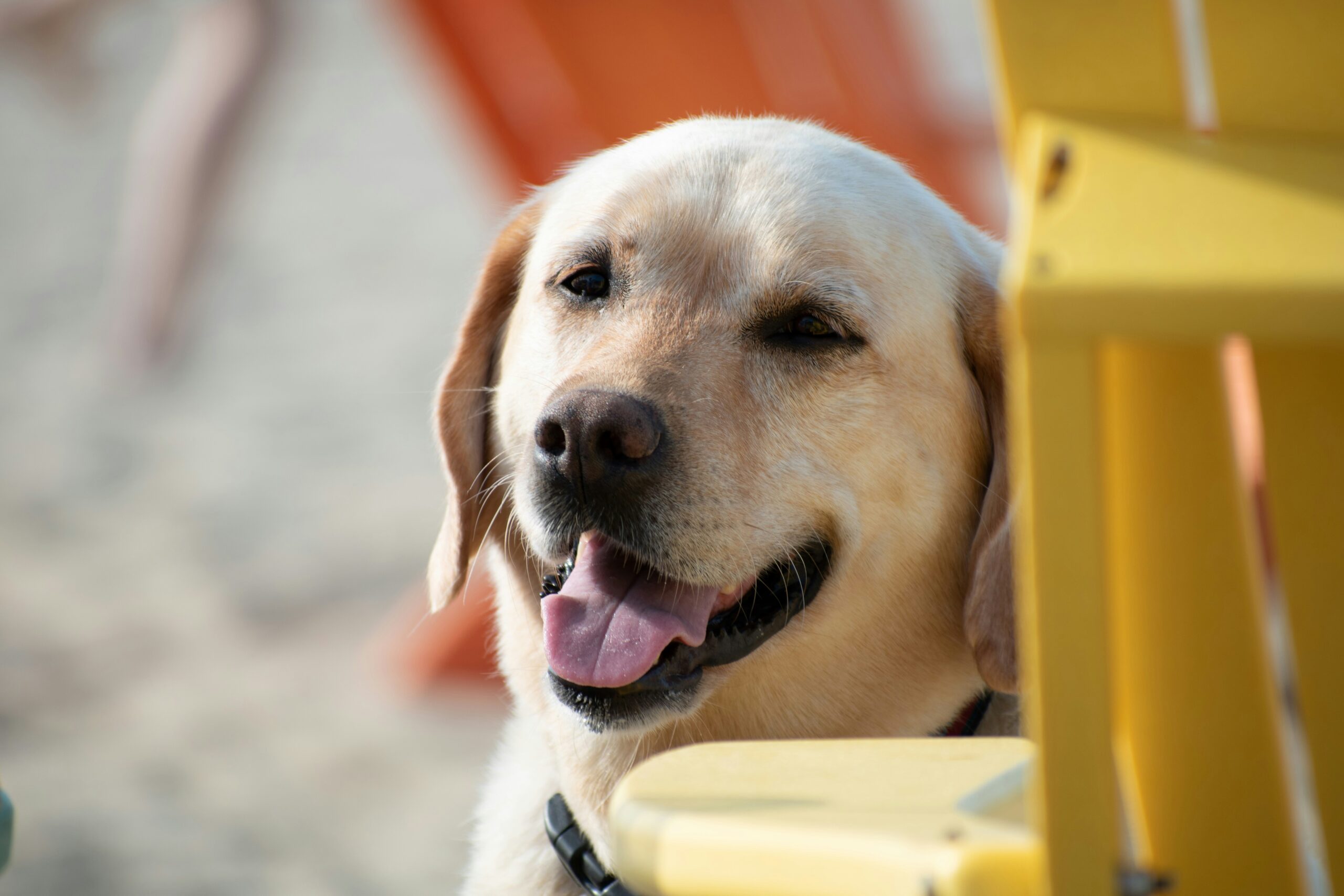
Labrador Retrievers are another breed famous for their outgoing personalities.
Labs often enjoy greeting visitors, playing with familiar dogs, and being involved in whatever their family is doing. Their enthusiasm can make them particularly entertaining companions for active households.
Their eagerness to interact also makes training especially important. Teaching polite greetings and impulse control helps ensure that their excitement doesn’t become overwhelming.
3. Beagle
Beagles are curious, energetic dogs that often enjoy being part of a group.
Their history as scent hounds means they are naturally interested in exploring their surroundings, while their social nature can make them enthusiastic companions.
A Beagle may enjoy meeting people, playing with compatible dogs, and joining family adventures.
Their strong sense of smell also means that walks should provide opportunities to sniff and explore rather than simply focusing on covering distance.
4. Boxer
Boxers combine a playful personality with a strong attachment to their families.
They can be enthusiastic around people and often enjoy interactive games and activities. Their youthful energy can make them especially fun for households that enjoy an active lifestyle.
Boxers benefit from early socialization and training because their excitement can sometimes be expressed through exuberant greetings and play.
A well-socialized Boxer can be a lively and affectionate member of a social household.
5. Poodle
Poodles are often recognized for their intelligence and trainability, but their social qualities can be just as appealing.
Standard, Miniature, and Toy Poodles can all form close relationships with their families, although individual temperaments vary.
Poodles often enjoy learning new things and participating in activities with their people. Their intelligence means they benefit from mental enrichment in addition to physical exercise.
Regular grooming is another important part of Poodle ownership because their curly coats require ongoing care.
6. Cavalier King Charles Spaniel
Cavalier King Charles Spaniels were developed as companion dogs and generally enjoy close interaction with their families.
Many Cavaliers are happy to greet familiar people, relax beside their owners, and participate in everyday household activities.
Their smaller size can make them convenient companions for people who enjoy taking their dogs along on outings.
They still need appropriate exercise, training, socialization, and veterinary care, and individual dogs may differ in how outgoing they are.
7. Cocker Spaniel
Cocker Spaniels are cheerful, affectionate dogs that often enjoy spending time with people.
They can be enthusiastic participants in family activities and may enjoy walks, play sessions, training, and outdoor adventures.
Their sporting background also means that physical activity and mental stimulation are important.
A well-socialized Cocker can thrive in an active household where they receive plenty of positive interaction.
8. French Bulldog
French Bulldogs often enjoy being around their people and can adapt well to many household environments.
Their compact size and companion-oriented personality make them popular with families and individuals alike.
Many Frenchies enjoy greeting familiar visitors and spending time near their owners rather than being left out of household activities.
However, their flat-faced anatomy can create breathing and heat-related concerns, so social activities should always be balanced with their physical limitations.
9. Pembroke Welsh Corgi
Pembroke Welsh Corgis may be small, but they have plenty of personality.
Originally developed as herding dogs, Corgis can be alert, intelligent, playful, and highly engaged with their surroundings.
Many enjoy participating in family activities and learning new behaviors. Their social confidence can be encouraged through positive experiences with people, dogs, and different environments from an early age.
They also tend to be energetic for their size, so daily activity and mental enrichment are important.
10. Shih Tzu
Shih Tzus are companion dogs that often enjoy human attention and close family interaction.
Many are happy to greet visitors, spend time beside their owners, and participate in relaxed household activities.
Their exercise requirements are generally manageable compared with those of many working breeds, although they still benefit from regular walks and play.
Their long coat also requires consistent grooming unless kept in a shorter trim.
11. Samoyed
Samoyeds are known for their striking white coats and cheerful expressions, but their social personalities are another reason people love them.
They often enjoy being included in family life and can be playful and affectionate with people they know.
Samoyeds are active dogs that need regular physical and mental activity. They can become frustrated if their social and enrichment needs are consistently ignored.
Their thick double coat also requires substantial grooming, and owners should be particularly careful about heat.
12. Papillon
Papillons are tiny dogs with surprisingly big personalities.
They are intelligent, alert, playful, and often enthusiastic about interacting with their owners.
Their small size makes them easy to take along on many outings, but they shouldn’t be treated like decorative accessories. Papillons benefit from training, exercise, games, and opportunities to explore.
With appropriate socialization, many can become confident little companions who enjoy meeting new people and experiencing new environments.
13. Irish Setter
Irish Setters are energetic, athletic dogs that often enjoy being around people.
Their outgoing nature can make them excellent companions for active households that have plenty of time for exercise and interaction.
They may enjoy activities such as walking, hiking, retrieving games, and training.
Because of their energy level, Irish Setters generally need more than a few short trips outside each day. A combination of physical activity, training, and social interaction can help them thrive.
What Makes a Dog Social?
A “social dog” isn’t necessarily one that wants to greet every person or play with every dog.
Social behavior can look different from one individual to another.
A socially comfortable dog might:
- Relax around unfamiliar people
- Enjoy interacting with familiar dogs
- Recover quickly from new experiences
- Participate willingly in family activities
- Seek appropriate attention from people
- Explore unfamiliar environments confidently
- Communicate clearly when they want space
Some dogs are friendly but selective. Others are enthusiastic about nearly everyone they meet.
Neither personality is automatically better.
Socialization Is Different From Being Naturally Friendly
Breed tendencies can influence behavior, but socialization also plays an important role.
Socialization involves helping a puppy or dog experience different people, animals, environments, sounds, surfaces, and situations in ways that are safe and appropriate for that individual.
The goal isn’t to make a dog interact with everyone.
Instead, it is to help the dog develop confidence and appropriate responses to everyday situations.
Positive experiences are especially important during puppyhood, but adult dogs can also learn through gradual, well-managed exposure.
Do Social Dogs Need Another Dog at Home?
Not necessarily.
A social dog can enjoy spending time with people without needing a canine roommate.
Some dogs love living with another dog, while others prefer being the only pet. Compatibility depends on individual temperament, age, play style, resources, energy level, and previous experiences.
If you’re considering adding a second dog, focus on whether the individual dogs are compatible rather than assuming that a particular breed will automatically get along with another dog.
How to Help a Social Dog Stay Well-Behaved
A friendly dog still needs boundaries.
You can encourage polite social behavior by teaching:
- Sit before greeting
- Wait at doors
- Loose-leash walking
- Coming when called
- Settling on a mat
- Leaving objects alone
- Calm greetings
- Appropriate play behavior
Rewarding calm behavior can be particularly helpful for dogs that become overly excited when visitors arrive.
Watch Your Dog’s Body Language
Even highly social dogs need breaks.
Pay attention if your dog begins:
- Turning away from people
- Hiding
- Avoiding another dog
- Licking their lips repeatedly
- Becoming stiff
- Trying to leave
- Growling
- Showing other signs of discomfort
Don’t force a dog to continue interacting simply because they normally enjoy social situations.
A dog that voluntarily walks away is communicating something important.
Choosing a Social Breed for Your Lifestyle
Before choosing a breed because it appears friendly, consider the entire package.
Ask yourself:
- How much exercise can I provide?
- How much grooming can I manage?
- Do I want a small, medium, or large dog?
- How much time will the dog spend alone?
- Can I provide daily mental stimulation?
- Do I already have other pets?
- How much training can I commit to?
- Does the breed’s energy level fit my household?
- Can I provide appropriate socialization?
A highly social breed can still become frustrated if its physical, mental, and social needs aren’t being met.
Social Doesn’t Mean Every Dog Will Love Everyone
Breed descriptions are useful starting points, but they shouldn’t be treated as guarantees.
Two dogs from the same breed can have completely different personalities.
One Labrador might enthusiastically greet every visitor, while another may prefer familiar people. One Corgi may love playing with other dogs, while another may be more selective.
Genetics, early experiences, training, environment, age, health, and individual temperament all influence behavior.
Final Thoughts
Golden Retrievers, Labradors, Beagles, Boxers, Poodles, Cavaliers, and the other breeds on this list are often associated with friendly and socially engaged personalities.
But the best social companion isn’t determined by breed alone.
A successful relationship comes from matching an individual dog’s temperament and needs with your lifestyle. Give your dog appropriate socialization, positive training, exercise, enrichment, and the freedom to take breaks when they need them.
Whether your dog loves meeting everyone at the park or prefers a small circle of familiar friends, understanding and respecting their personality is what makes social life enjoyable for both of you.






Leave a comment