



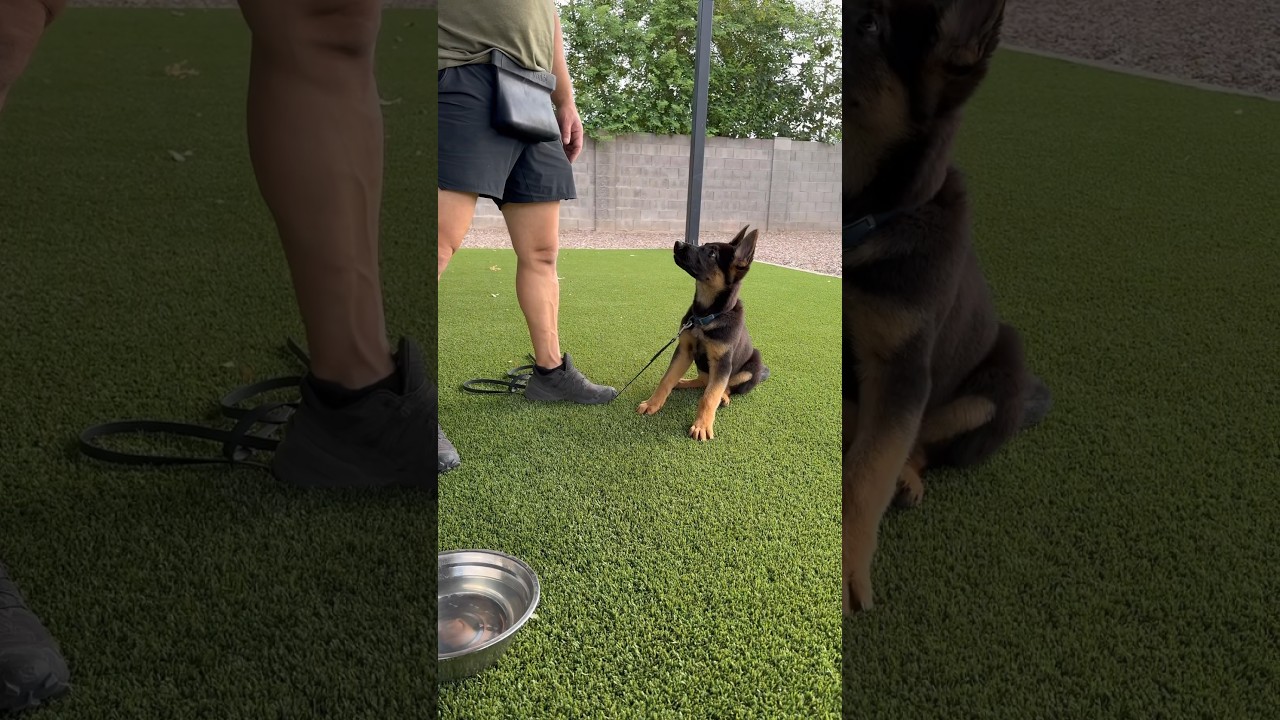
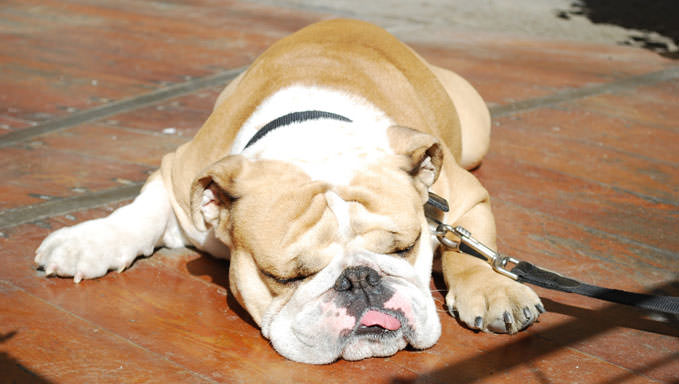

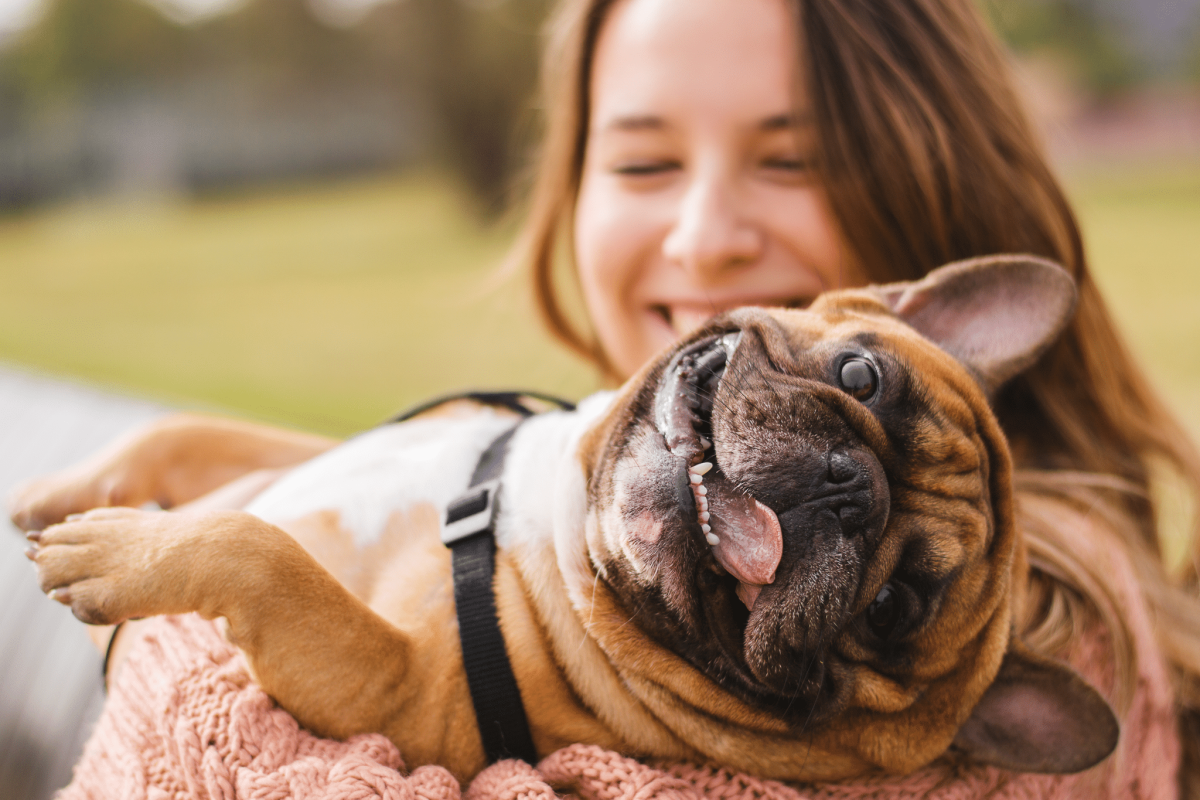
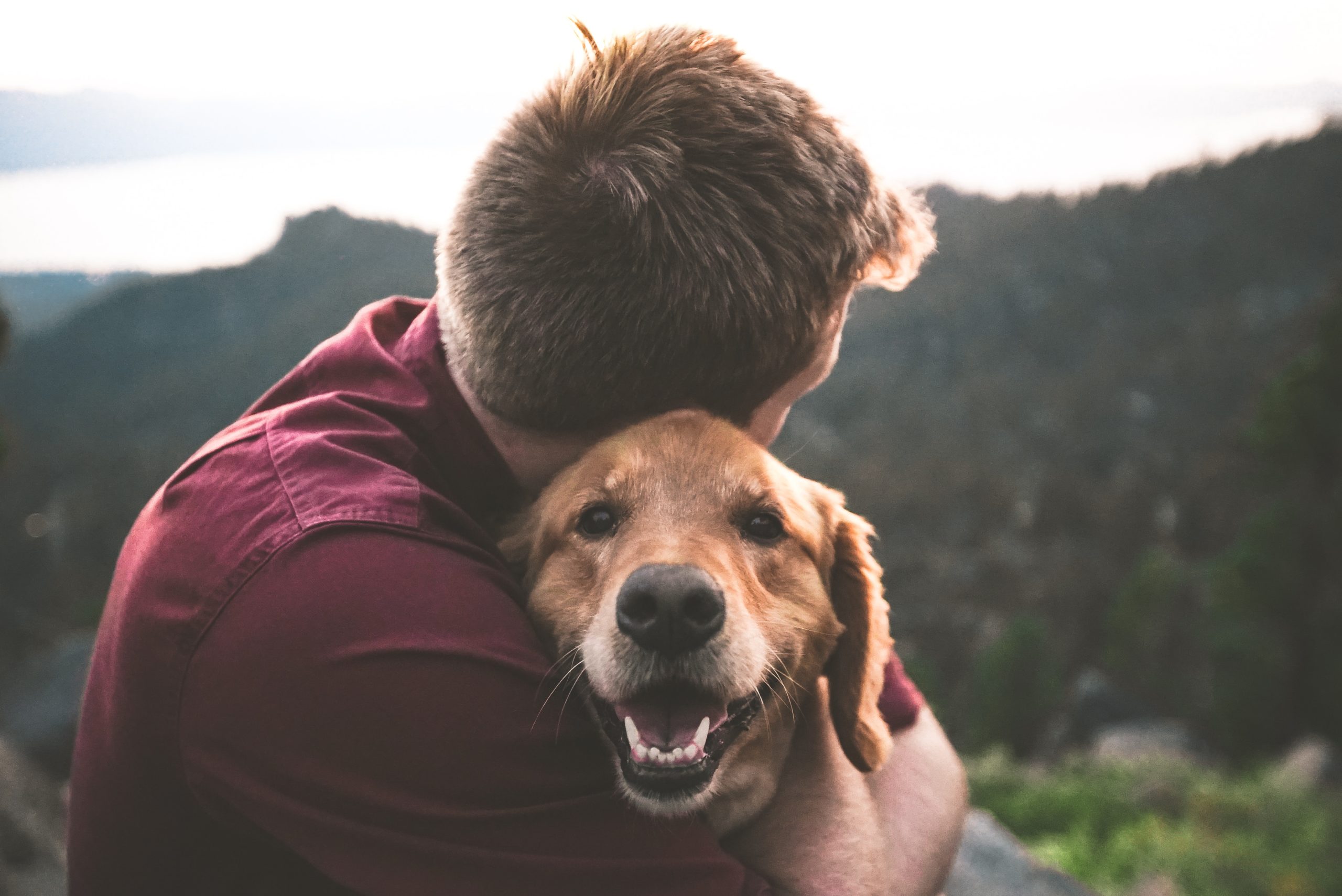
Some dogs are perfectly happy spending time on their own. Others seem to have an invisible leash connecting them to their favorite person.
If you enjoy having a canine companion nearby while you work, relax, cook, watch television, or move around the house, you may appreciate a breed known for being particularly people-oriented.
These dogs are sometimes called “Velcro dogs” because they tend to form strong bonds with their families and often prefer staying close to their humans.
Of course, breed tendencies aren’t guarantees. Every dog has an individual personality, and factors such as socialization, training, age, and previous experiences can influence how attached a dog becomes.
Here are 11 breeds that are often known for their affectionate, companionable nature.
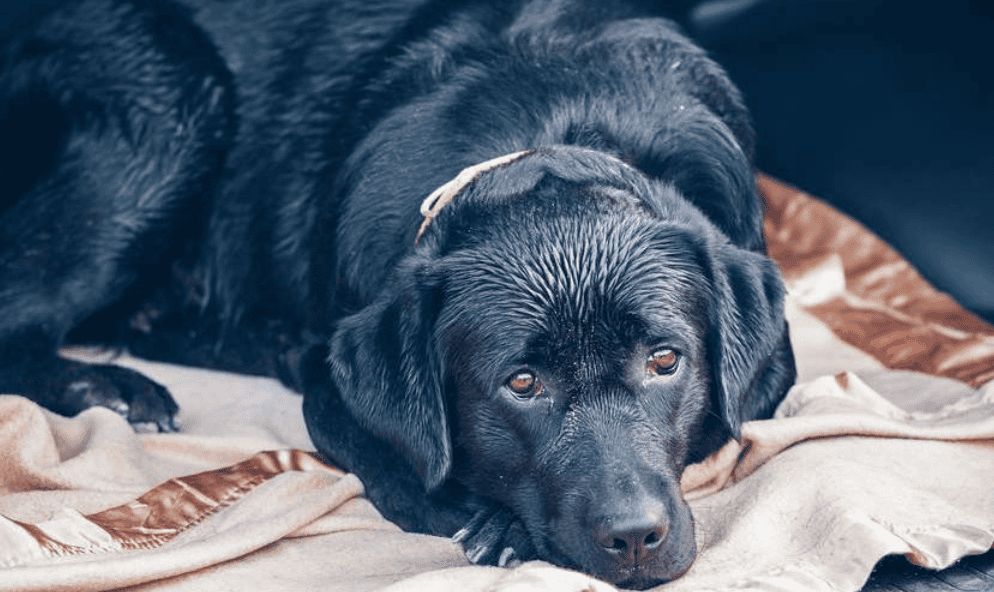
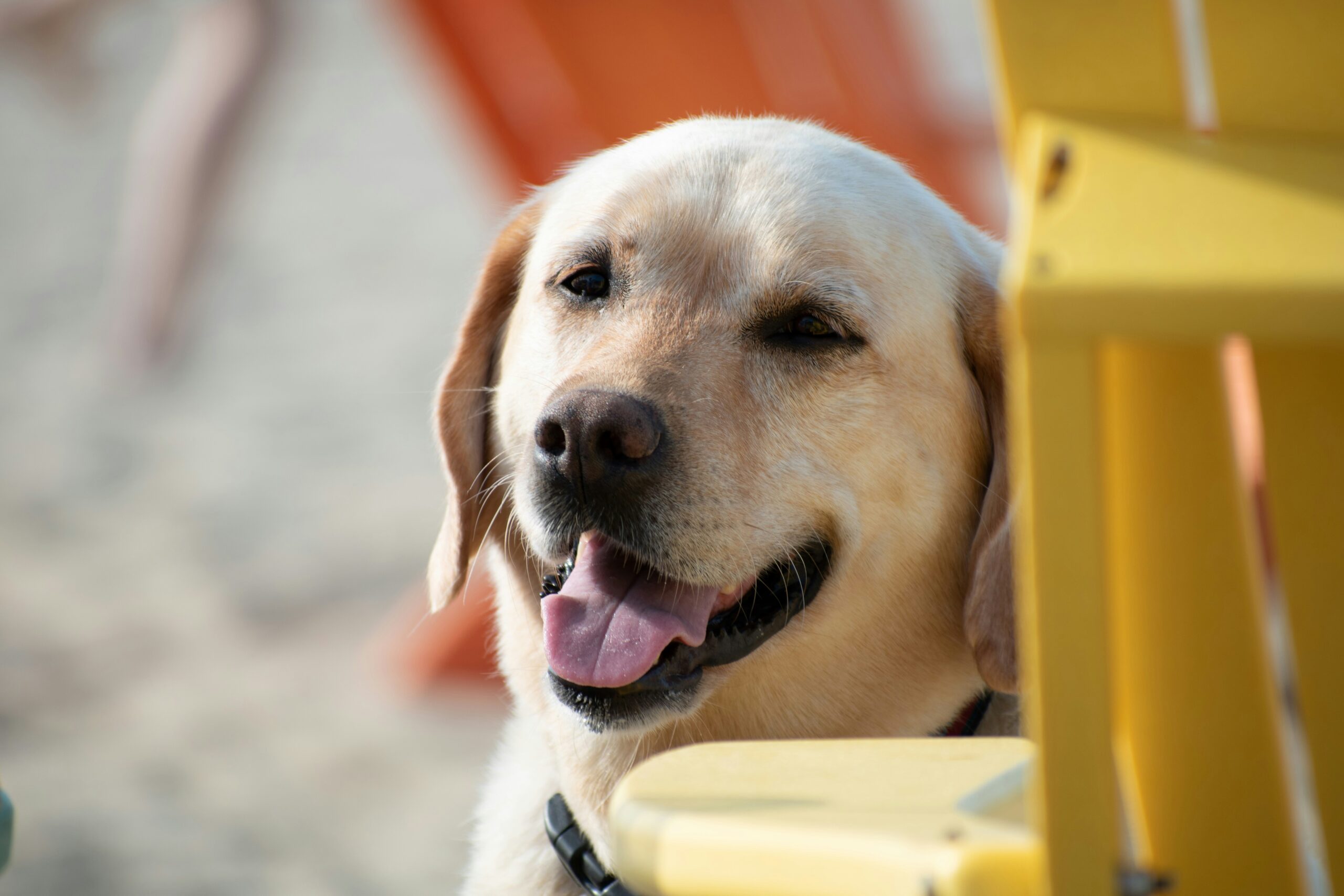
1. Labrador Retriever
Labrador Retrievers are famous for their friendly and people-oriented personalities.
Many Labs enjoy being involved in whatever their family is doing. If you move from the living room to the kitchen, don’t be surprised if your Labrador follows along to see what’s happening.
Their history as working retrievers also means they were developed to cooperate closely with people. Today, that desire to interact with their humans can make them enthusiastic companions.
A Labrador may be happiest when they have opportunities to spend time with their family, whether that’s playing fetch outdoors, going for a walk, training, or simply relaxing nearby.
2. Cavalier King Charles Spaniel
The Cavalier King Charles Spaniel was developed primarily as a companion dog, and that history is reflected in its affectionate personality.
Cavaliers often enjoy sitting close to their owners and participating in household activities. Many are happy to curl up beside their favorite person after a walk or play session.
Their relatively small size also makes them natural lap companions.
However, their desire for company means prospective owners should think about how much time the dog will regularly spend alone. Like any breed, an individual Cavalier can vary in how comfortable they are with separation.
3. Australian Shepherd
Australian Shepherds are intelligent, energetic working dogs that often develop strong relationships with their families.
They were bred to work alongside people, so many Aussies enjoy having something to do with their owners.
An Australian Shepherd may follow you around the house, watch what you’re doing, or eagerly participate whenever training, exercise, or play begins.
Their need for companionship comes with an important consideration: they aren’t simply low-energy lap dogs.
Aussies generally benefit from regular physical exercise, training, and mental stimulation. For an active owner who enjoys interacting with their dog, that close partnership can be especially rewarding.
4. Pug
Pugs are small companion dogs with big personalities.
Many Pugs enjoy being near their owners and are perfectly content to spend a quiet afternoon sitting beside them. They often seek attention and may happily follow family members around the home.
Their compact size makes them easy to include in many household activities.
Pugs can be affectionate and entertaining companions, but their short-faced anatomy means owners should also pay attention to heat, exercise tolerance, and breathing-related concerns.
For someone looking for a small dog that enjoys plenty of human interaction, the Pug can be an appealing companion.
5. Border Collie
Border Collies are famous for their intelligence and remarkable work ethic.
Originally developed as herding dogs, they were bred to pay close attention to their handlers and respond to direction.
That working relationship can translate into a strong connection with their owners.
A Border Collie may naturally keep track of where its person is and look for opportunities to interact. But this breed comes with a major requirement: mental stimulation.
A Border Collie isn’t necessarily satisfied simply by following you around the house.
Training, problem-solving games, appropriate exercise, scent activities, and other forms of enrichment can help keep their busy minds occupied.
6. Dachshund
Dachshunds may be small, but they can have enormous personalities.
These dogs were originally developed for hunting, and their independent streak can still be noticeable. At the same time, many Dachshunds become deeply attached to their families.
A Dachshund may follow its favorite person around the house and then happily settle beside them when the day’s activities are finished.
Their small size can make them convenient companions, but owners should remember that Dachshunds have a long-backed body shape and benefit from sensible handling and exercise that protects their backs.
7. Shetland Sheepdog
Shetland Sheepdogs, often called Shelties, are intelligent and responsive herding dogs.
Their working history involved paying attention to people and responding to direction, which can contribute to their close relationship with their families.
Many Shelties enjoy being included in household activities and may stay close to their owners throughout the day.
They’re also often energetic and eager to learn, making training an excellent way to strengthen the human-dog relationship.
A Sheltie can be a wonderful choice for someone who wants an interactive companion rather than a dog that prefers to spend most of its time alone.
8. Shih Tzu
Shih Tzus were developed as companion dogs, so spending time with people is an important part of their history.
These small dogs often enjoy lounging beside their owners, sitting on laps, and receiving plenty of attention.
A Shih Tzu doesn’t necessarily need to be involved in an intense outdoor adventure every day. Many are perfectly happy enjoying companionship around the home, combined with appropriate walks and play.
Their long coat does require regular grooming, however, so owners should be prepared for the maintenance that comes with their distinctive appearance.
9. Cocker Spaniel
Cocker Spaniels are affectionate sporting dogs that often enjoy close interaction with their families.
They can be playful, energetic, and eager to participate in activities with their owners.
A Cocker may follow family members from room to room and then settle nearby once everyone is relaxing.
Their sporting background also means they benefit from regular exercise and opportunities to use their minds. Walks, games, training, and appropriate retrieving activities can help meet those needs.
For someone who wants an affectionate dog that can also enjoy an active lifestyle, the Cocker Spaniel can be an interesting companion.
10. Vizsla
The Vizsla is another breed frequently described as a “Velcro dog.”
These athletic hunting dogs often form close relationships with their owners and enjoy staying involved in family activities.
A Vizsla may follow its person around the house, lean against them, or seek physical contact when relaxing.
But there’s more to living with a Vizsla than having a cuddly shadow.
They are active dogs that generally need substantial physical activity and mental engagement. Long walks, running when appropriate, retrieving, training, and other suitable activities can help them thrive.
If you want a close companion and also enjoy an active lifestyle, the Vizsla’s temperament may be a good match to explore.
11. Newfoundland
Newfoundlands are enormous dogs with a reputation for being gentle, affectionate family companions.
Their size can make their version of “following you around” particularly noticeable. A Newfoundland may want to be wherever its family is, even if that means squeezing a giant body into a surprisingly small space.
They can be calm and affectionate at home while still requiring appropriate exercise and care.
Their thick coat and large size also mean owners need to consider grooming, living space, food requirements, and especially heat management.
A Newfoundland isn’t the right fit for every household, but people who appreciate giant breeds may find their companionship incredibly rewarding.
What Makes a Dog a “Shadow Companion”?
The phrase “shadow dog” isn’t a formal breed characteristic.
It generally describes a dog that strongly prefers being near its human.
You might notice behaviors such as:
- Following you between rooms
- Resting near your feet
- Waiting outside a closed door
- Checking where you are throughout the day
- Seeking physical contact
- Joining household activities
- Sitting beside you while you work
- Becoming excited when you return home
These behaviors can be influenced by genetics, breed history, individual temperament, learning, and the relationship between the dog and its owner.
Does a Clingy Dog Always Have Separation Anxiety?
No.
A dog enjoying your company isn’t automatically experiencing separation anxiety.
Some dogs simply prefer being close to their families.
Separation-related problems are more concerning when a dog becomes significantly distressed when left alone. Signs can include destructive behavior, excessive vocalization, attempts to escape, pacing, or other persistent distress behaviors.
If your dog shows severe anxiety when separated from you, it’s worth discussing the behavior with a veterinarian or qualified behavior professional.
Are Velcro Dogs Right for You?
Before choosing a breed because you want a constant companion, think about your lifestyle.
Ask yourself:
- How much time can I spend with a dog each day?
- Can I provide enough exercise?
- Do I enjoy training?
- How much grooming am I prepared to handle?
- Will the dog regularly be left alone?
- Do I have enough space for the breed?
- Can I provide mental stimulation?
- Am I comfortable with a dog that wants frequent interaction?
A dog that loves being around people can be wonderful—but companionship also comes with responsibility.
How to Encourage Healthy Attachment
Even if you love having your dog beside you, it’s useful to teach them that relaxing independently is safe too.
You can encourage healthy independence by:
- Giving your dog a comfortable resting area.
- Providing enrichment toys for appropriate solo activities.
- Practicing short periods of separation gradually.
- Avoiding making every departure or arrival a major event.
- Rewarding calm behavior.
- Maintaining a predictable daily routine.
- Teaching your dog to settle on a bed or mat.
The goal isn’t to make an affectionate dog less affectionate. It’s to help them feel comfortable whether you’re right beside them or temporarily in another room.
Final Thoughts
Having a dog that follows you around can make everyday life feel a little more special.
Breeds such as Labrador Retrievers, Cavalier King Charles Spaniels, Australian Shepherds, Pugs, Border Collies, Dachshunds, Shetland Sheepdogs, Shih Tzus, Cocker Spaniels, Vizslas, and Newfoundlands are all known for developing close relationships with their people.
But breed tendencies are only part of the story.
The individual dog matters just as much. If you’re looking for a true companion, consider temperament, exercise requirements, grooming needs, size, training needs, and how comfortably the dog can fit into your daily routine.
The best shadow companion isn’t simply the dog that follows you everywhere—it’s the dog whose needs and personality fit naturally with your life.





Leave a comment