




Some dogs are perfectly happy relaxing in another room. Others seem to believe that wherever you go, they should go too.
These affectionate dogs are often called “Velcro dogs” because they tend to stick closely to their favorite people. They may follow you from room to room, curl up beside you while you work, or quietly wait outside the bathroom door.
For people who enjoy constant companionship, this behavior can be incredibly rewarding. However, it’s important to remember that breed tendencies don’t determine every individual dog’s personality. Training, socialization, genetics, and life experiences all influence how attached a dog becomes.
If you’re looking for a dog that enjoys being involved in family life, here are 13 breeds known for forming strong bonds with their humans.
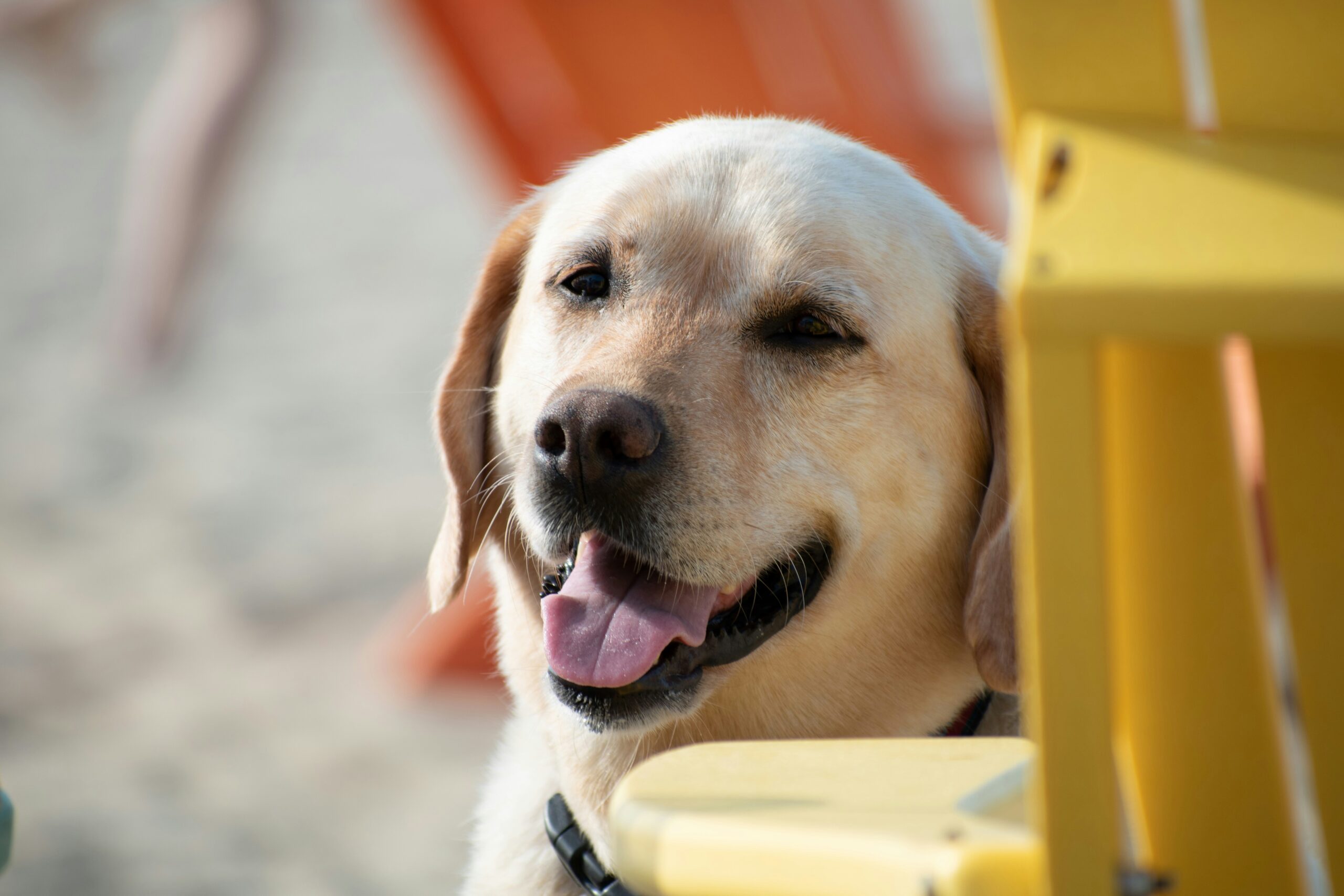
1. Labrador Retriever
Labrador Retrievers are famous for their friendly personalities, but their affection goes well beyond simply greeting everyone they meet.
Labs often want to participate in whatever their family is doing. Whether you’re going for a walk, playing fetch, relaxing on the couch, or working around the house, your Labrador may be happiest when they’re nearby.
Their combination of sociability, trainability, and enthusiasm makes them devoted companions. Many Labs also enjoy physical affection and regularly seek attention from their favorite people.
If you want a dog that is happy being part of almost every family activity, a Labrador can be a wonderful companion.
2. Cavalier King Charles Spaniel
The Cavalier King Charles Spaniel may be small, but this breed has plenty of affection to give.
Cavaliers are known for enjoying human companionship and often prefer being close to their families rather than spending long periods alone. You may find one following you around the house or settling comfortably beside you whenever you sit down.
Their gentle and affectionate nature makes them particularly appealing to people who enjoy having a cuddly companion nearby.
Because they can become strongly attached to their people, it’s still important to teach them to feel comfortable with appropriate periods of alone time.
3. Border Collie
Border Collies are best known for their intelligence, athleticism, and remarkable working ability. But underneath all that energy is a dog that can develop a very strong relationship with its human.
A Border Collie may follow you around because they want to know what you’re doing and whether there’s something they can help with.
These dogs often enjoy activities that involve their owners, including training, hiking, agility, games, and other mentally stimulating activities.
Their need for interaction means they aren’t usually suited to a lifestyle where they are left without much exercise or mental engagement.
For active owners who enjoy training and outdoor activities, a Border Collie can become a remarkably devoted partner.
4. Vizsla
The Vizsla has earned a reputation as one of the classic Velcro dog breeds.
These athletic hunting dogs are also known for their affectionate personalities and desire to stay close to their people. A Vizsla may happily accompany you on an outdoor adventure and then look for a warm spot beside you once you’re back home.
Their attachment can be especially noticeable because they often want both physical and emotional closeness.
Vizslas generally need plenty of exercise and interaction, so their affectionate nature comes with an equally important commitment to an active lifestyle.
5. Australian Shepherd
Australian Shepherds are intelligent, energetic, and highly people-oriented.
Because of their herding background, they may naturally pay close attention to the movement of the people around them. Don’t be surprised if your Australian Shepherd follows you through the house or keeps an eye on what you’re doing.
These dogs tend to thrive when they have something meaningful to do. Training, puzzle toys, outdoor activities, and interactive games can help satisfy both their minds and bodies.
Their loyalty and enthusiasm make them wonderful companions for people who enjoy an active, involved relationship with their dog.
6. Italian Greyhound
Italian Greyhounds are elegant, affectionate little dogs that often enjoy staying physically close to their favorite people.
You’ll frequently find them curled up under a blanket, resting beside their owner, or following someone around the house.
Their small size makes it easy for them to fit into laps and cozy spaces, which can reinforce their love of close companionship.
However, their desire for constant company means owners should pay attention to how their dog handles being alone. Gradual alone-time training can help prevent excessive dependence and promote confidence.
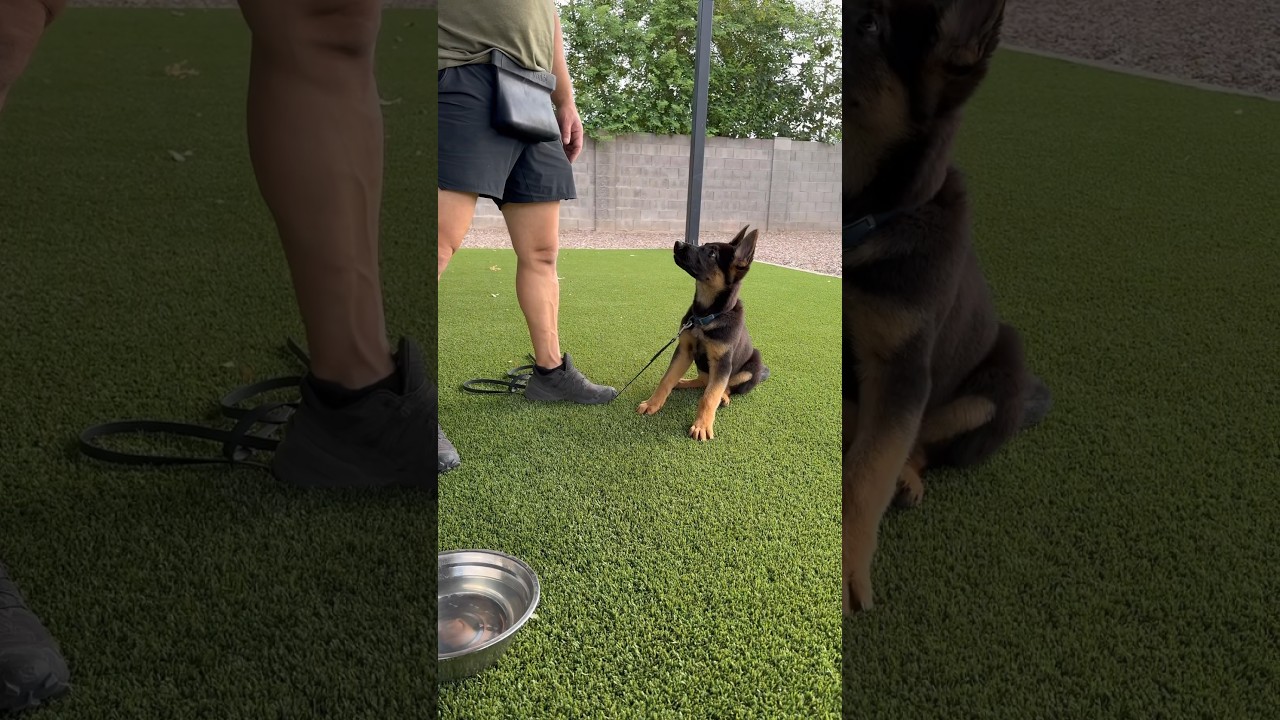
7. German Shepherd
German Shepherds are known for their intelligence, loyalty, and strong relationships with their families.
Their working background has encouraged close cooperation with people, and many German Shepherds naturally pay close attention to their owners.
A family German Shepherd may follow you around the home, check on different family members, or stay nearby while you’re working.
Their protective instincts can also make them highly observant of their surroundings. Proper training and socialization are important so that their loyalty and alertness develop into appropriate behavior.
With the right guidance, German Shepherds can become deeply devoted family companions.
8. Shetland Sheepdog
The Shetland Sheepdog, often called a Sheltie, is another herding breed that can form a close connection with its family.
Shelties are generally intelligent, responsive, and attentive to their owners. Many prefer to remain within sight of their favorite people and may quietly follow them around the house.
Their sensitivity can also make them particularly responsive to changes in their environment and the behavior of their humans.
Training and positive socialization are especially valuable for helping these sensitive dogs become confident companions.
If you enjoy a smaller dog with an attentive and affectionate personality, a Sheltie may be a good match.
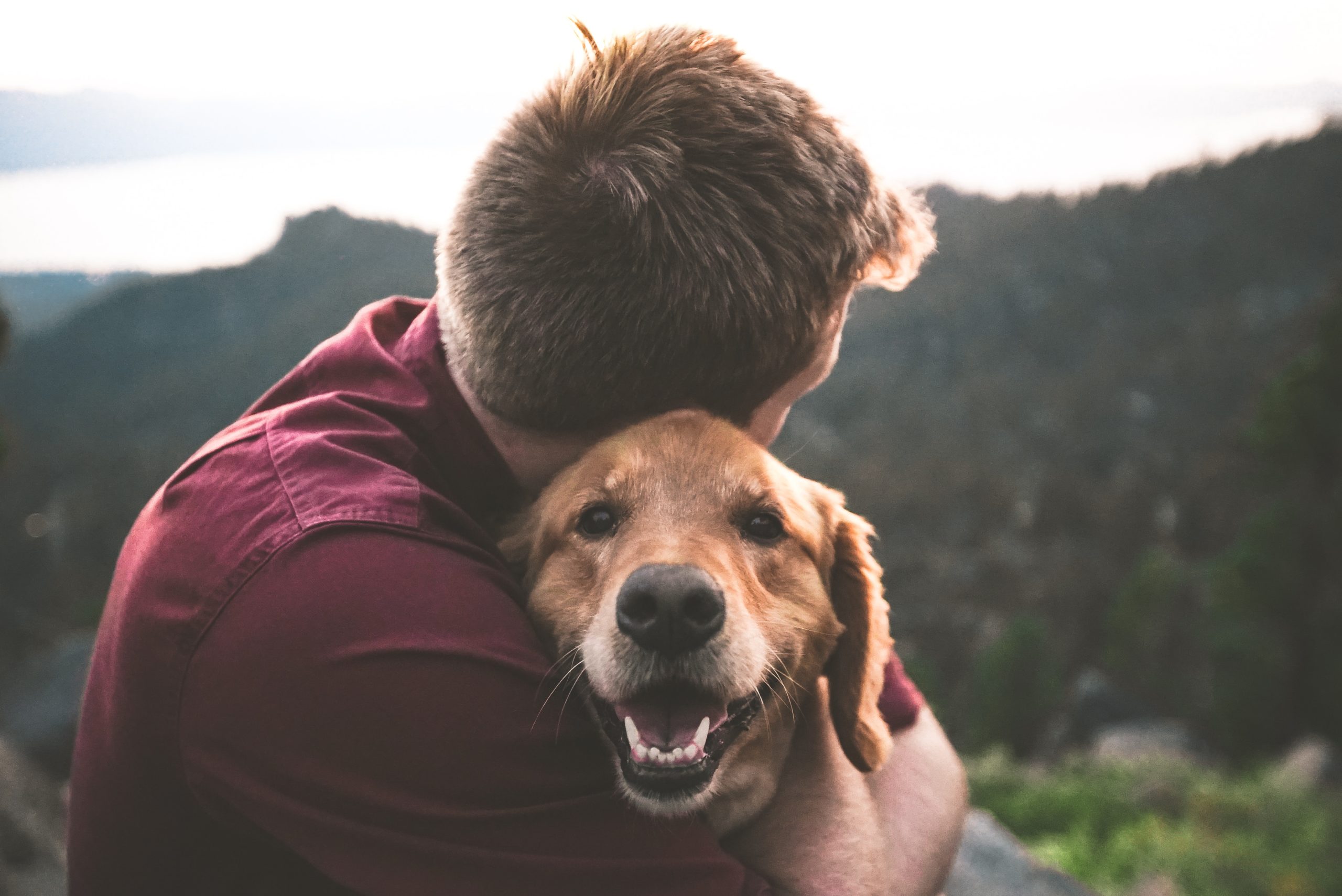
9. Golden Retriever
Golden Retrievers are among the most recognizable family companion dogs, and their affectionate nature is a major reason why.
Goldens often want to be involved in whatever their humans are doing. They may follow you around while you’re completing household chores, join you for walks, or settle beside you during a quiet evening.
Their friendly temperament and eagerness to interact can make them excellent companions for families that enjoy spending plenty of time with their dogs.
They also tend to appreciate physical affection and positive attention, making their people-oriented nature especially noticeable.
10. Cocker Spaniel
Cocker Spaniels are affectionate, expressive, and often happiest when they can stay close to their families.
They may follow their favorite person from one room to another or settle nearby whenever someone sits down.
Their affectionate personality makes them appealing to people looking for a companion that enjoys regular interaction.
Cocker Spaniels also benefit from exercise, training, play, and mental stimulation. Keeping them engaged can help channel their enthusiasm into positive activities while strengthening the bond they share with their owners.
11. Papillon
Don’t let the Papillon’s tiny size fool you. These little dogs can have huge personalities and strong attachments to their humans.
Papillons are intelligent, energetic, and often eager to interact with their owners. They may follow you around the house, climb onto your lap, or return to you after exploring their surroundings.
Their small size makes them easy to take along on many activities, which can further strengthen the bond between dog and owner.
Despite being small companion dogs, Papillons still need mental stimulation and regular activity to stay happy and well-adjusted.
12. American Pit Bull Terrier
American Pit Bull Terriers are often described by their owners as affectionate and people-oriented companions.
Individual temperament varies considerably, but many dogs of this type enjoy close interaction with their families and may happily follow their favorite person around the house.
Some are especially enthusiastic about cuddling and may attempt to fit themselves into their owner’s lap despite their size.
Responsible training, socialization, exercise, and supervision are important for any dog. When those needs are met, an affectionate Pit Bull-type dog can form a strong relationship with its family.
13. Belgian Malinois
Belgian Malinois are highly intelligent working dogs known for their energy, trainability, and close cooperation with humans.
Their strong desire to work alongside people can make them extremely attentive to their handlers. A Malinois may follow its owner closely because it wants to know what happens next and whether there is a job to perform.
However, this isn’t a breed for someone looking only for a low-maintenance companion.
Belgian Malinois generally need substantial physical activity, mental stimulation, training, and structure. For experienced owners who enjoy training and active lifestyles, their loyalty and working partnership can be extraordinary.
Why Do Some Dogs Become “Velcro Dogs”?
There isn’t one single reason a dog becomes especially attached to its human.
Several factors can contribute, including:
- Breed tendencies: Some breeds were developed to work closely with people.
- Individual personality: Some dogs are naturally more social and affectionate.
- Early experiences: Positive interactions with people can influence social behavior.
- Training: Dogs may learn that following their owners leads to attention or rewards.
- Lifestyle: Dogs that regularly participate in family activities may naturally want to stay involved.
- Routine: A predictable relationship with their owner can encourage a strong attachment.
It’s also worth remembering that being affectionate isn’t necessarily the same as having separation anxiety.
Velcro Dog vs. Separation Anxiety
A dog that follows you everywhere isn’t automatically experiencing separation anxiety.
A Velcro dog may simply enjoy being near you while remaining comfortable when you’re away.
Separation-related problems can involve more concerning behaviors when the dog is left alone, such as persistent vocalization, destructive behavior, escape attempts, house-soiling, or significant distress.
If your dog becomes extremely anxious whenever you leave, consider speaking with a veterinarian or qualified behavior professional.
Are Velcro Dogs Right for Everyone?
That depends on your lifestyle.
A highly affectionate dog can be wonderful if you enjoy having a companion beside you throughout the day. But some people prefer dogs that are more independent.
Before choosing a breed, consider more than affection. Think about:
- Exercise requirements
- Grooming needs
- Training requirements
- Energy level
- Size
- Time spent alone
- Living environment
- Socialization needs
- Breed-specific health considerations
A dog that wants to be near you also needs opportunities to develop independence and confidence.
How to Encourage Healthy Attachment
It’s perfectly fine to enjoy your dog’s affection while also teaching them that being alone for reasonable periods is safe.
You can encourage healthy independence by:
- Giving your dog a comfortable resting area
- Practicing short periods of separation
- Providing enrichment toys
- Rewarding calm independent behavior
- Maintaining a predictable routine
- Avoiding dramatic departures and arrivals
- Providing appropriate daily exercise
- Gradually increasing alone time
The goal isn’t to discourage your dog from loving you. It’s to help them feel secure whether you’re right beside them or temporarily somewhere else.
Final Thoughts
Velcro dogs bring a special kind of companionship into their families. From the energetic Vizsla and Border Collie to the cuddly Cavalier King Charles Spaniel and Golden Retriever, these breeds often enjoy being closely involved in their humans’ lives.
But breed is only one part of the picture. Every dog has its own personality, and individual dogs within the same breed can have very different levels of independence and affection.
If you love having a four-legged shadow following you from room to room, a people-oriented breed may be exactly what you’re looking for. Just remember that the healthiest bond combines affection and companionship with confidence, training, and appropriate independence.







Leave a comment