




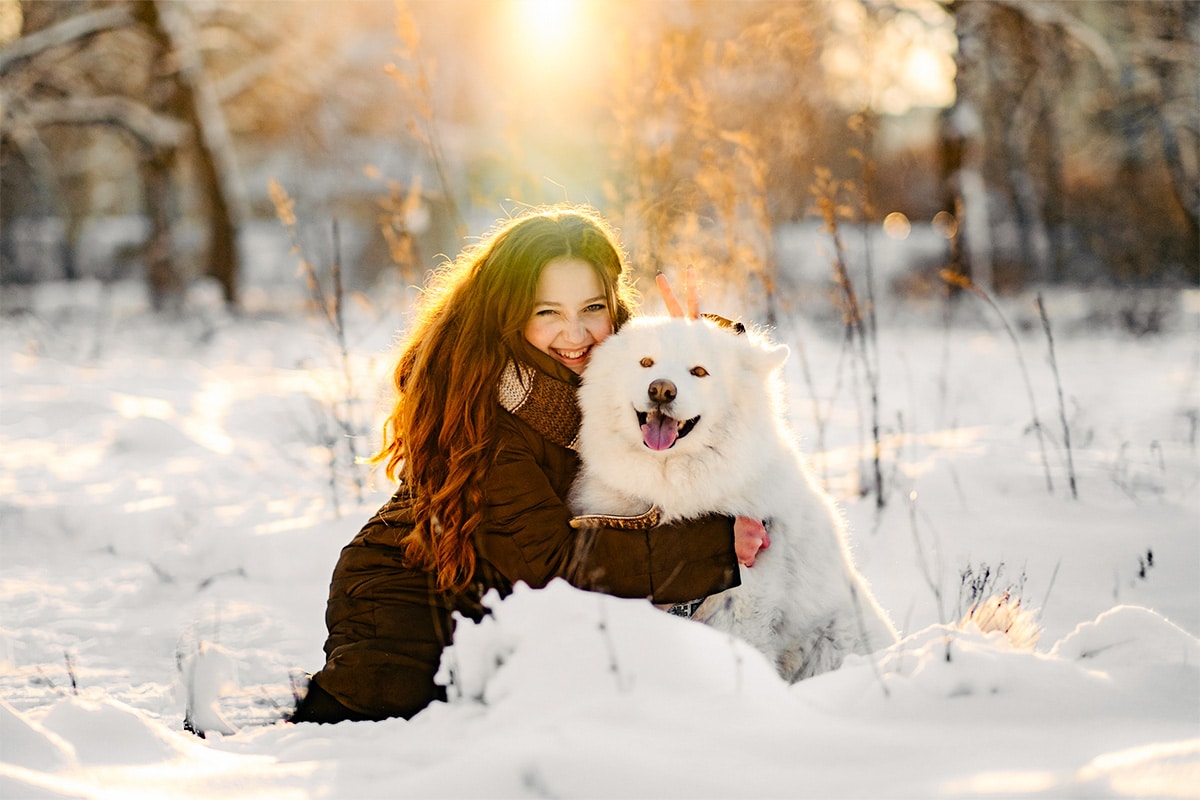
When temperatures drop and snow covers the ground, some dogs seem more excited than ever to head outside.
Certain breeds developed in cold regions and were shaped by generations of work in snowy mountains, Arctic landscapes, northern forests, and other challenging environments. Their insulating coats, sturdy bodies, endurance, and working backgrounds can make them particularly comfortable in chilly weather.
From energetic sled dogs to powerful livestock guardians and affectionate mountain breeds, here are 15 hardy dog breeds that are well suited to cold-weather adventures.
1. Siberian Husky
The Siberian Husky is one of the breeds most closely associated with winter.
Originally developed by the Chukchi people of Siberia, Huskies were bred to pull sleds efficiently across long distances in extremely cold conditions. Their dense double coat provides insulation, while their athletic build allows them to remain active for extended periods.
Huskies are energetic, social, intelligent, and often mischievous. They tend to thrive when given plenty of exercise and opportunities to explore.
For an active household that enjoys winter hiking, running, or other outdoor activities, a Husky can be an enthusiastic companion.
2. Alaskan Malamute
The Alaskan Malamute was developed for strength and endurance rather than speed.
These powerful Arctic dogs were historically used to haul heavy loads over snowy terrain. Their thick double coat, substantial build, and impressive stamina make them naturally equipped for demanding winter conditions.
Malamutes are affectionate with their families but can also be independent and strong-willed. They need regular physical and mental stimulation to stay content.
Snowy walks, hiking, pulling activities, and interactive games can provide useful outlets for their energy.
3. Bernese Mountain Dog
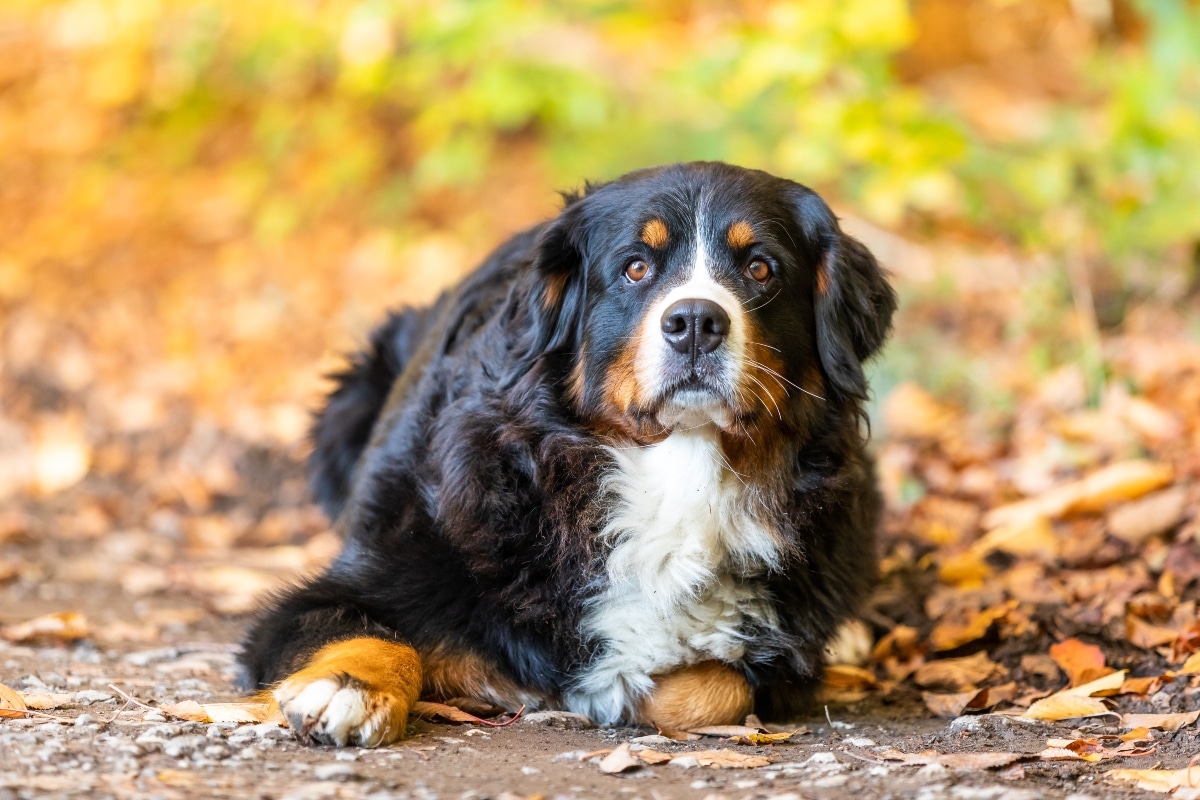
The Bernese Mountain Dog originated in Switzerland, where it was used as an all-purpose farm dog in the Swiss Alps.
Its long, thick coat provides insulation during cold weather, while its large frame gives it the strength needed for farm work and outdoor activity.
Despite its size, the Bernese Mountain Dog is generally known for its gentle and affectionate nature. Many enjoy playing outdoors during cool weather and exploring snowy surroundings.
Because of their size and coat, however, they still need appropriate exercise and protection from extreme weather.
4. Saint Bernard
Few dogs have a stronger connection to snowy mountain history than the Saint Bernard.
These giant dogs became famous for their association with rescue work in the Swiss Alps. Their substantial bodies and dense coats help them tolerate cold conditions, although individual dogs can still become too cold or overheated depending on the environment.
Saint Bernards tend to have a calm, patient temperament and often form strong bonds with their families.
They aren’t typically built for high-speed exercise, but they can enjoy relaxed winter walks and supervised time outdoors.
5. Newfoundland
Newfoundlands are famous for their strength, swimming ability, and gentle personalities.
Originally developed in Newfoundland, these large working dogs have thick, water-resistant coats that provide insulation in cold and wet conditions. Their physical strength historically made them useful for water rescue and hauling work.
Despite their imposing size, Newfoundlands are often affectionate and easygoing companions.
They can enjoy outdoor adventures in cool weather, although owners should monitor them carefully during extreme temperatures and strenuous activity.
6. Tibetan Mastiff
The Tibetan Mastiff developed in the harsh Himalayan region, where its thick coat helped protect it from severe weather.
Traditionally used as a livestock and property guardian, this large breed is independent, confident, and naturally protective.
Tibetan Mastiffs aren’t necessarily looking for nonstop play. They may prefer spending time outdoors observing their surroundings before returning to a comfortable resting area.
Their independent temperament means they generally require thoughtful training and experienced handling.
7. Keeshond
The Keeshond is a medium-sized spitz breed recognized for its thick coat and distinctive facial markings.
The breed has historical ties to the Netherlands and was associated with life aboard Dutch vessels and with working communities. Its dense coat gives it useful insulation in cooler conditions.
Keeshonden are generally lively, affectionate, and people-oriented.
Their manageable size makes them an appealing option for people who enjoy cold-weather walks but don’t necessarily want a giant or highly demanding working breed.
8. Samoyed
The Samoyed is instantly recognizable thanks to its bright white coat and famous “smiling” expression.
Developed in Siberia, Samoyeds were used for herding reindeer, pulling sleds, and accompanying people in extremely cold environments. Their thick double coat provides significant insulation.
These dogs are typically social, energetic, and playful.
A Samoyed may happily join its family for a snowy hike or outdoor game, but that beautiful coat also requires considerable grooming to keep it healthy and free of mats.
9. Norwegian Elkhound
The Norwegian Elkhound is a rugged Scandinavian breed with a thick, weather-resistant coat.
Historically associated with hunting large game in Norway, this energetic breed is known for endurance, confidence, and independence.
Norwegian Elkhounds generally enjoy being active and exploring their surroundings. Cold-weather hikes and outdoor activities can be particularly enjoyable for dogs with this type of working background.
Their intelligence also means they benefit from training and mental challenges rather than physical exercise alone.
10. Finnish Lapphund
The Finnish Lapphund was developed in northern Finland and has a long history of working with reindeer.
Its thick double coat protects it from frigid conditions, while its agile body allows it to move efficiently across challenging terrain.
Finnish Lapphunds are generally intelligent, friendly, and adaptable. They often enjoy having a job to do, whether that means training, outdoor exploration, or interactive games.
Their combination of a protective coat and playful personality makes them well suited to families who enjoy winter activities.
11. Great Pyrenees
The Great Pyrenees was developed as a livestock guardian in the mountainous regions between France and Spain.
Its large body and thick white coat provide useful protection against cold and snowy weather. These dogs were expected to spend considerable time outdoors watching over flocks.
Great Pyrenees dogs are often calm and patient, but they can also be independent and protective.
They may enjoy leisurely walks through snowy landscapes more than high-intensity games. Their size and temperament also mean they need appropriate training and socialization.
12. Akita
The Akita is a powerful Japanese breed with a thick double coat that can provide good insulation in cold weather.
Akitas are known for their dignified appearance, loyalty, and independent nature. They tend to form strong relationships with their families but may be reserved around unfamiliar people and dogs.
Cool temperatures can make outdoor exercise more comfortable for an Akita, particularly when compared with hot weather.
Owners should still monitor individual dogs for signs that conditions are too cold.
13. Shiba Inu
The Shiba Inu is considerably smaller than many breeds on this list, but its compact size doesn’t mean it is poorly equipped for winter.
This Japanese breed has a dense double coat that offers protection against cold temperatures. Shibas are energetic, alert, intelligent, and independent.
Many enjoy exploring outdoors, including snowy environments.
Their independent streak can make training challenging at times, so positive, consistent training is especially important.
14. Chow Chow
The Chow Chow’s thick coat and distinctive appearance make it another breed well adapted to cooler climates.
Originally developed in China, the breed has a dense double coat that provides insulation during cold weather.
Chow Chows are often independent and reserved, and many prefer calm environments rather than constant activity.
They can enjoy winter walks and outdoor exploration, but owners should pay attention to their coat and prevent mats from developing.
15. Caucasian Shepherd
The Caucasian Shepherd is a massive livestock guardian associated with the Caucasus region.
Its heavy coat and substantial build provide significant protection against harsh weather. Historically, these dogs worked outdoors while guarding livestock and property.
Caucasian Shepherds are powerful, confident, protective, and independent.
Because of their size, strength, and guarding instincts, they are generally better suited to experienced owners who understand the importance of training, socialization, and responsible management.
What Makes Some Dogs Better Suited to Cold Weather?
Cold-weather tolerance isn’t determined by breed name alone. Several physical and environmental factors can affect how comfortably a dog handles low temperatures.
Thick or Double Coats
Many northern breeds have double coats consisting of a dense undercoat and a protective outer layer. This structure helps insulate the body.
Body Size
Larger dogs often lose heat differently from smaller dogs, although size alone doesn’t determine cold tolerance.
Body Condition
A healthy body condition supports normal temperature regulation. However, intentionally allowing a dog to become overweight is not an appropriate strategy for keeping them warm.
Acclimation
A dog accustomed to gradually changing outdoor temperatures may respond differently from a dog suddenly exposed to severe cold.
Age and Health
Puppies, senior dogs, underweight dogs, and dogs with certain health conditions may be more vulnerable to cold temperatures.
Even Cold-Weather Breeds Need Winter Protection
A thick coat doesn’t make a dog immune to hypothermia or frostbite.
During winter outings, watch for signs that your dog is becoming uncomfortable, including:
- Shivering
- Reluctance to continue walking
- Lifting paws repeatedly
- Whining or unusual behavior
- Weakness
- Slowing down significantly
- Seeking warmth
Ice, snow, salt, and de-icing chemicals can also irritate a dog’s paws.
After outdoor activities, check the paws and fur for packed snow, ice, salt, or other debris.
Don’t Forget About Winter Hydration
Dogs still need plenty of water during cold weather.
Exercise in the snow can be tiring, and dry winter air can contribute to fluid loss. Bring fresh water on longer adventures and don’t assume that eating snow is an adequate substitute for drinking water.
Cold Weather Isn’t a Competition
Even breeds developed for Arctic or mountainous environments have limits.
A Siberian Husky may happily play in conditions that would be uncomfortable for another dog, but that doesn’t mean every Husky should remain outside indefinitely.
Pay attention to the individual dog rather than relying entirely on breed reputation.
Temperature, wind, wetness, activity level, age, health, and acclimation all matter.
Final Thoughts
From Siberian Huskies and Alaskan Malamutes to Samoyeds, Finnish Lapphunds, and mountain breeds, many dogs have physical characteristics and working histories that make them well suited to cold environments.
But a winter-loving breed still needs responsible care.
Provide appropriate exercise, monitor the weather, protect paws when necessary, keep your dog hydrated, and bring them indoors when conditions become unsafe.
For these hardy companions, winter can be a wonderful opportunity for exploration, exercise, and quality time with the people they love.






Leave a comment