





Dogs have earned their reputation as loyal human companions for countless generations. They can join us on adventures, entertain us with their personalities, or simply curl up beside us after a long day.
While every dog is an individual, some breeds have characteristics that often make them particularly people-oriented and companionship-focused. From energetic retrievers to devoted lap dogs, these breeds can bring plenty of personality and affection into a home.
Here are 15 dog breeds known for their potential to become wonderful four-legged companions.
1. Golden Retriever
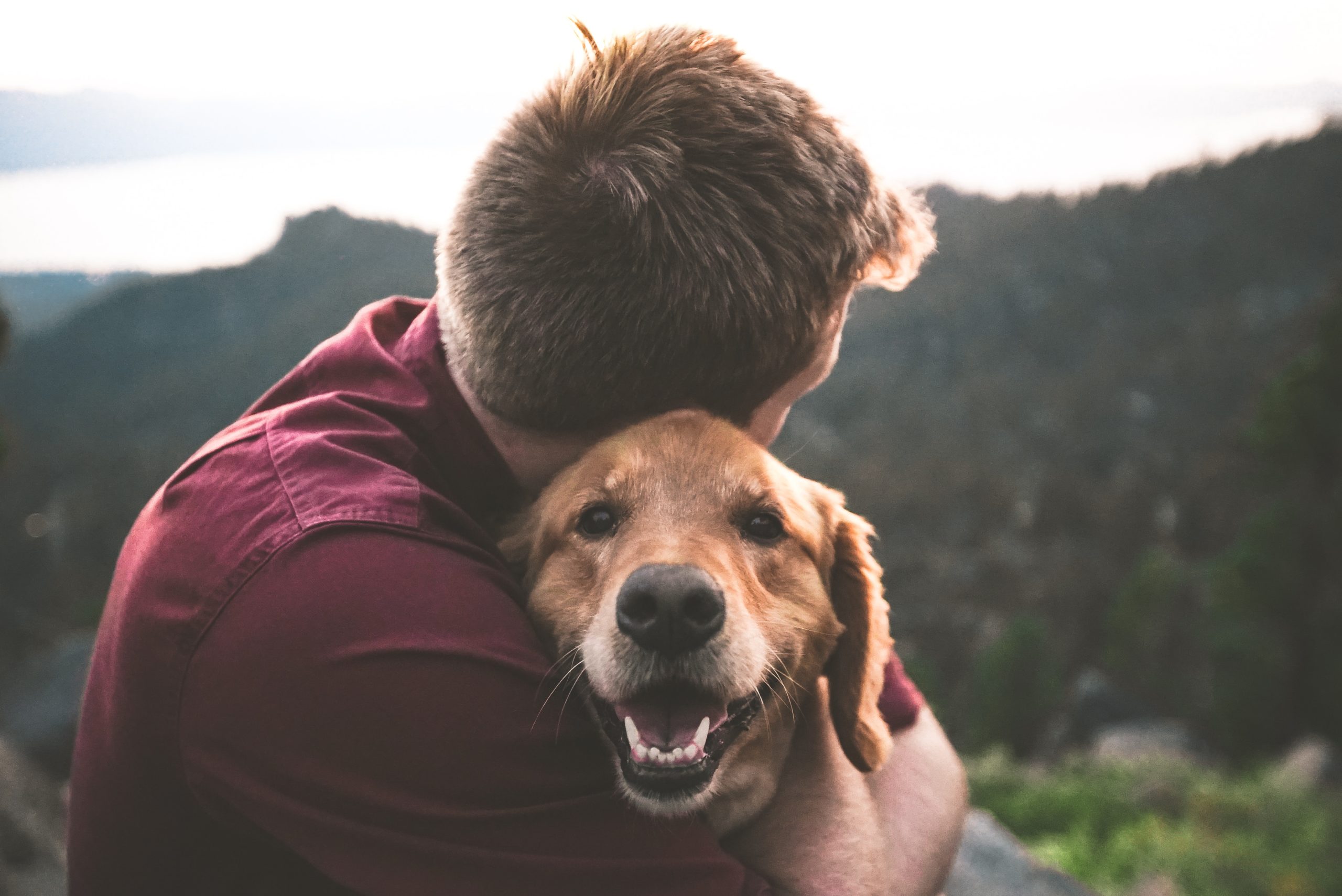
Golden Retrievers are famous for their friendly personalities and enthusiasm for spending time with their families. They often enjoy being included in everyday activities, whether that means playing outdoors, going for a walk, learning a new trick, or relaxing at home.
Their combination of trainability, sociability, and eagerness to interact with people has also made them popular as assistance, therapy, and working dogs.
Golden Retrievers generally need regular exercise and mental stimulation, but they often enjoy activities that allow them to work alongside their humans. For an owner looking for an active and affectionate companion, a Golden can bring plenty of energy and warmth to daily life.
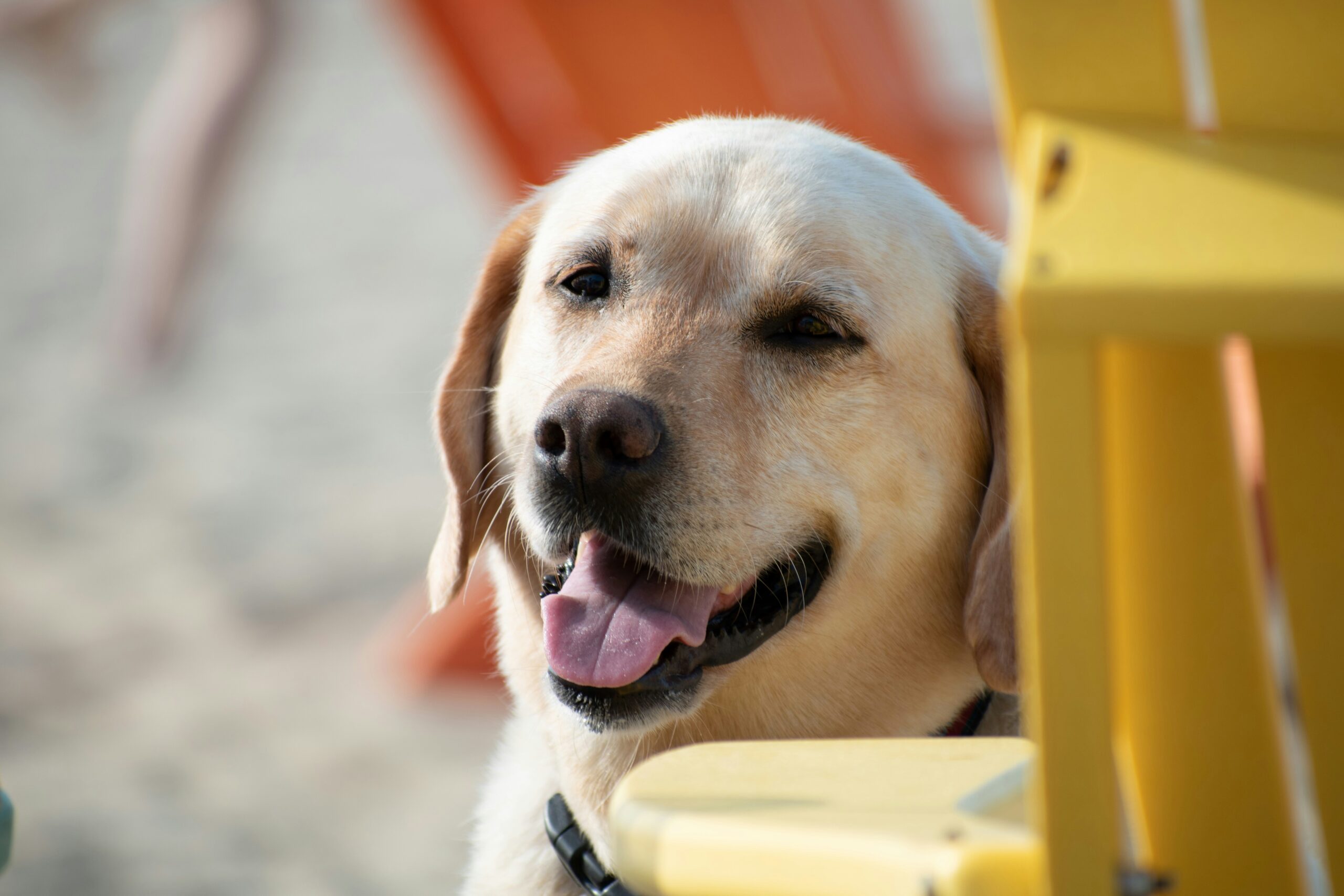
2. Labrador Retriever
Labrador Retrievers are another classic companion breed.
Labs tend to be enthusiastic, playful, and eager to participate in whatever their family is doing. A Labrador might happily accompany you on a hike in the morning and then spend the evening relaxing nearby.
Their working background as retrieving dogs contributes to their enthusiasm for games, training, swimming, and outdoor activities. They are also commonly trained for assistance and other working roles.
Their friendly nature doesn’t mean every Labrador has the same personality, however. Young Labs can be energetic and require consistent training, exercise, and appropriate outlets for their curiosity.
3. Cavalier King Charles Spaniel
Small, affectionate, and people-oriented, the Cavalier King Charles Spaniel has long been associated with companionship.
These dogs often enjoy staying close to their families and may be perfectly happy relaxing beside their favorite person. Their relatively compact size can also make them suitable for various living environments, provided their exercise, grooming, and other needs are met.
Cavaliers still need daily activity and interaction. They shouldn’t be viewed simply as decorative lap dogs. Like every breed, they benefit from training, enrichment, veterinary care, and opportunities to explore their surroundings.
4. Cocker Spaniel
Cocker Spaniels combine an affectionate personality with the energy and enthusiasm of a sporting breed.
They often enjoy being involved in family life, whether that means taking walks, playing games, learning commands, or relaxing with their people.
Their intelligence and eagerness to interact can make training enjoyable when positive reinforcement is used consistently.
Their beautiful coat also requires regular grooming and maintenance. Anyone considering a Cocker Spaniel should be prepared for both the companionship and the care that comes with the breed.
5. Beagle
Beagles are cheerful, curious dogs with a strong social side.
Originally developed as scent hounds, they are naturally interested in following interesting smells and investigating their surroundings. A Beagle’s nose can turn an ordinary walk into an extended exploration session.
They often enjoy being around people and other dogs, but their independent streak can make training challenging at times. Their strong scent drive also means secure fencing and careful management outdoors are important.
With enough exercise, enrichment, and companionship, a Beagle can become a lively and entertaining member of the family.
6. Samoyed
The Samoyed is recognizable for its fluffy white coat and characteristic smiling expression.
These dogs were developed as working dogs in cold climates and are generally active, social, and people-oriented. Many enjoy participating in family activities rather than being left without interaction for long periods.
Their thick coat requires substantial grooming, and their exercise needs shouldn’t be overlooked.
A Samoyed can be a wonderful companion for someone prepared to provide regular activity, grooming, training, and plenty of social interaction.
7. Dachshund
Dachshunds may have short legs, but they have plenty of personality.
These little hounds are often confident, curious, playful, and strongly attached to their families. They may follow their favorite person around the house and enthusiastically investigate anything that catches their attention.
Their original hunting purpose means they can be surprisingly determined and independent. Training therefore benefits from patience and consistency.
Because of their long backs, owners should also take sensible precautions around activities involving jumping from heights or repeated strain.
8. Collie
Collies are known for their intelligence, responsiveness, and strong connection with their families.
Their history as herding dogs means they were developed to work closely with people. Today, many Collies enjoy activities that involve learning, movement, and interaction with their owners.
They can be attentive and gentle companions, but their needs go beyond simply having someone nearby. Regular exercise, training, grooming, and mental stimulation help keep them engaged.
For someone who enjoys teaching a dog new skills and spending time together, a Collie can be a rewarding companion.
9. Boxer
Boxers have a reputation for being energetic, playful, and full of personality.
They can be wonderfully entertaining companions and often enjoy interactive games and activities with their families. At the same time, many Boxers are affectionate and enjoy relaxing with the people they trust.
Their enthusiasm means training and exercise are important, especially while they are young.
A well-managed Boxer can bring a playful presence to the household while still enjoying quiet family time when their needs have been met.
10. Australian Shepherd
Australian Shepherds are intelligent working dogs that often form strong partnerships with their humans.
They were developed for demanding work and generally thrive when they have something interesting to do. Long walks, hiking, training exercises, agility, scent games, and other activities can provide useful outlets for their energy and intelligence.
Their need for stimulation makes them a better match for people who enjoy an active lifestyle.
Simply providing affection isn’t enough for an Aussie. Mental challenges and physical activity are important parts of responsible ownership.
11. Shih Tzu
Shih Tzus were developed primarily as companion dogs, and their history is reflected in their enjoyment of human interaction.
These small dogs can be affectionate and comfortable living in a variety of homes when their needs are properly met. Many enjoy spending quiet time beside their owners and participating in household routines.
Their long coat requires regular grooming, while their small size means they still need appropriate exercise and gentle handling.
A Shih Tzu can be an excellent companion for someone who appreciates a smaller dog with a strong interest in family life.
12. Border Collie
Border Collies are renowned for their intelligence and working ability.
They often form close relationships with their handlers and enjoy learning new tasks. Training, trick work, herding activities, agility, scent games, and interactive play can all provide valuable mental stimulation.
Their intelligence can be both rewarding and demanding. A Border Collie without enough activity or mental engagement may become frustrated or develop unwanted behaviors.
For an active owner who enjoys training and working with a dog, however, the partnership can be incredibly rewarding.
13. Pug
Pugs are small dogs with famously expressive faces and larger-than-life personalities.
They often enjoy spending time with their families and can be playful, affectionate, and entertaining companions. Many are perfectly content to relax beside their owners after some appropriate activity.
However, their short facial structure requires special consideration. Pugs can be vulnerable to breathing difficulties and overheating, so owners need to be particularly careful with exercise and hot weather.
Their companionship needs may be relatively easy to fit into some households, but their health and comfort should always remain a priority.
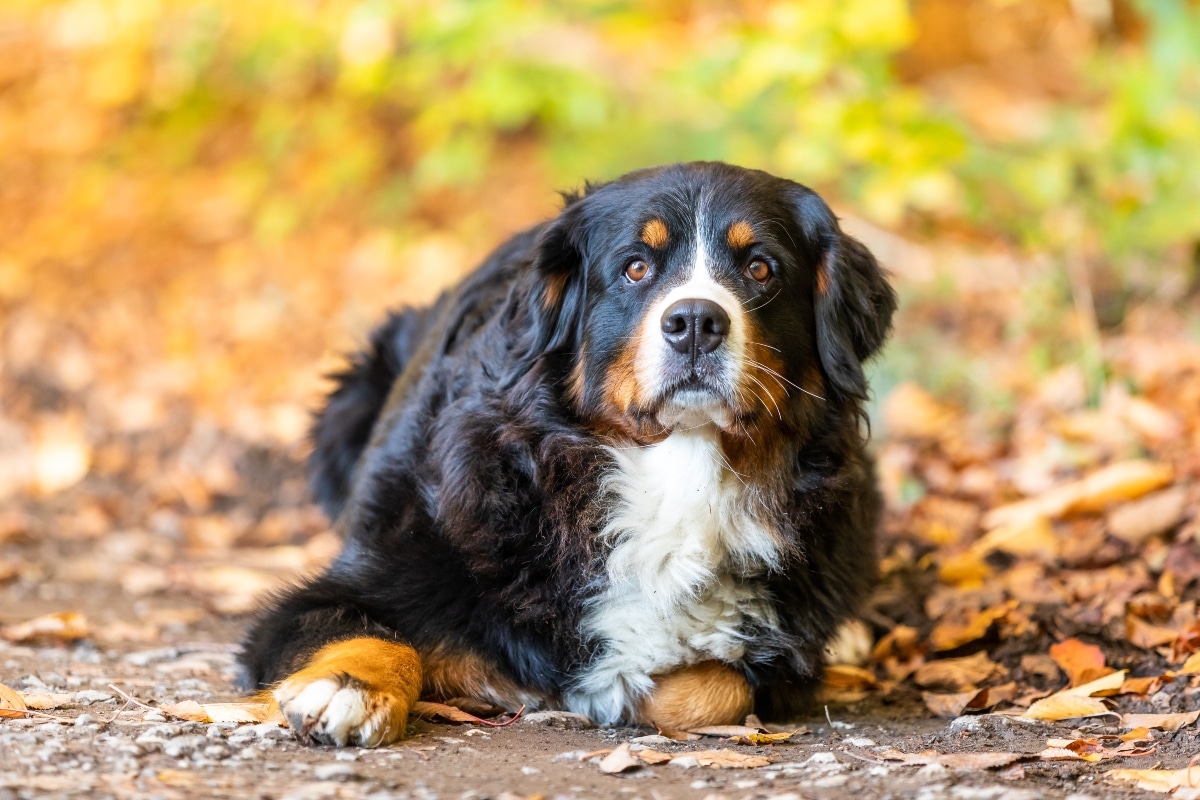
14. Newfoundland
Newfoundlands are enormous dogs with equally large physical and emotional needs.
They are known for their generally gentle nature and their historical association with water work and rescue. Many Newfoundlands enjoy being around their families and can develop strong bonds with the people they live with.
Their size means owners need plenty of space, appropriate equipment, and the ability to manage a very large dog.
Their heavy coat also requires regular grooming, and hot weather can be challenging for them. Despite those considerations, a Newfoundland can be a calm and affectionate presence in the right home.
15. Havanese
The Havanese is a small companion breed known for its cheerful and sociable personality.
These dogs often enjoy being involved in household activities and spending time with their people. Their compact size can make them adaptable to different living situations, although they still need daily exercise, play, training, and companionship.
Their coat requires regular grooming, especially when kept long.
For someone looking for a smaller dog that enjoys close interaction, the Havanese can be a charming addition to the family.
What Makes a Dog a Great Companion?
There isn’t one personality trait that makes a dog a wonderful friend. Successful companionship usually comes from matching a dog’s individual needs with an owner’s lifestyle.
Consider these factors before choosing a breed:
Activity Level
Some dogs are happy with moderate daily walks and play, while working breeds may need substantially more physical and mental activity.
Social Needs
Some dogs strongly prefer human company, while others are more independent. Consider how much time you can realistically spend with your dog each day.
Training
Intelligent and energetic breeds can be fantastic training partners, but they may also require more structure and engagement.
Grooming
A beautiful coat can come with significant maintenance. Think about how much brushing, bathing, trimming, or professional grooming you can manage.
Size
A giant breed has very different space, food, transportation, and equipment requirements from a small companion dog.
Climate
Think about your local weather when choosing a breed. Dogs with heavy coats and dogs with short facial structures may require particular care in hot conditions.
Health Considerations
Every breed has potential health concerns. Responsible breeders, shelters, and rescue organizations can help prospective owners understand the needs of individual dogs.
The Breed Isn’t the Whole Story
Breed characteristics can provide useful guidance, but they don’t completely determine an individual dog’s personality.
Two dogs from the same breed can have very different temperaments. Age, early experiences, socialization, training, genetics, environment, and individual personality all influence behavior.
An adult rescue dog may already have a personality that fits your lifestyle beautifully, while a puppy may require considerable time and training before you know exactly what kind of companion they will become.
How to Build a Strong Friendship With Your Dog
Regardless of breed, a strong relationship develops through everyday experiences.
You can strengthen your bond by:
- Spending regular quality time together
- Using reward-based training
- Providing age-appropriate exercise
- Playing interactive games
- Giving your dog opportunities to sniff and explore
- Learning to recognize canine body language
- Respecting your dog’s need for rest and personal space
- Providing consistent routines
- Offering appropriate mental enrichment
- Taking your dog for regular veterinary care
A dog’s trust isn’t created by breed alone. It grows through consistent, positive interactions.
Frequently Asked Questions
What is the best dog breed for companionship?
There isn’t a single best breed for every person. Golden Retrievers, Labradors, Cavaliers, Havanese, Shih Tzus, Collies, and many other breeds can make wonderful companions, but the right match depends on your lifestyle and the individual dog’s personality.
Which companion dogs are good for families?
Many breeds can thrive in family homes, but factors such as the children’s ages, the dog’s temperament, exercise requirements, size, training, and supervision are more important than a breed label alone.
Do companion dogs need lots of exercise?
It depends on the breed and individual dog. Working breeds such as Border Collies and Australian Shepherds generally need considerably more physical and mental activity than many small companion breeds.
Can a small dog be an adventurous companion?
Absolutely. Small dogs can enjoy walks, travel, training, games, and outdoor activities. Their size doesn’t determine how adventurous their personality will be.
Are affectionate dogs always comfortable being hugged?
No. A dog can be extremely attached to its family while still disliking certain types of physical contact. Always watch body language and allow your dog to move away when they want space.
Final Thoughts
The idea of a dog as a “best friend” isn’t really about finding one perfect breed. It’s about creating a relationship built on trust, communication, care, and shared experiences.
Golden Retrievers and Labradors may thrive alongside active families, while Havanese and Shih Tzus can appeal to people looking for smaller companions. Border Collies and Australian Shepherds can be exciting partners for owners who enjoy training and activity, while breeds such as Newfoundlands and Collies can bring their own unique personalities to family life.
Whatever breed you choose, remember that every dog is an individual.
The best friendship develops when you understand your dog’s needs, respect their personality, provide appropriate care, and make them a genuine part of your everyday life.







Leave a comment