




Dogs don’t need extravagant gifts or elaborate adventures to feel like an important part of the family. For most dogs, everyday care, companionship, safety, and positive interactions are what make life rewarding.
The little things you do every day can make a big difference. A relaxed walk, a few minutes of training, a comfortable bed, a gentle grooming session, or simply sitting together can strengthen the relationship you share with your dog.
If you want to show your dog just how much you care, here are nine simple habits worth making part of your routine.
1. Give Your Dog Your Undivided Attention
One of the simplest ways to strengthen your relationship with your dog is to spend meaningful time together.
Take your dog for a walk, play a favorite game, practice a few training exercises, or simply sit together while you relax.
Quality time doesn’t have to last for hours. Even 10 or 15 minutes of focused interaction can provide companionship and enrichment.
Try putting your phone aside occasionally and giving your dog your full attention. Your dog may not understand every word you say, but they can learn from your voice, body language, routines, and interactions.
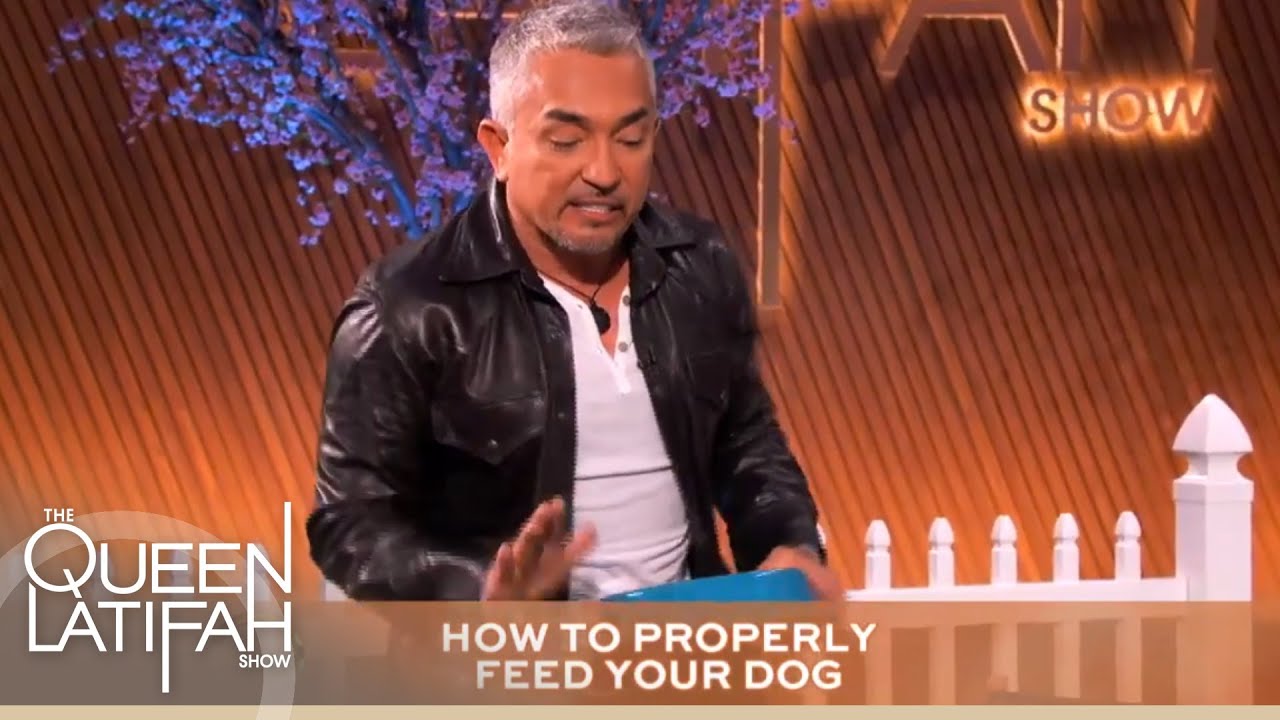
2. Feed a Complete and Balanced Diet
Good nutrition is one of the most important forms of long-term care you can provide.
Choose a complete and balanced dog food appropriate for your dog’s life stage and individual needs. Puppies, adults, seniors, and dogs with certain health conditions may have different nutritional requirements.
Fresh, clean water should also be available throughout the day.
Treats can be part of a healthy relationship too, but they should remain a small part of the overall diet. If your dog has allergies, a medical condition, or special dietary requirements, ask your veterinarian about appropriate food choices.
Showing love doesn’t mean filling the bowl every time your dog asks for more.
Sometimes, caring for your dog means knowing when enough is enough.
3. Make Exercise and Play Part of the Routine
Dogs need opportunities to move, explore, and interact with their environment.
The right amount of activity depends on factors such as age, breed, health, fitness, and individual personality. Some dogs enjoy long walks and active games, while others are happier with shorter outings and gentle play.
Mix physical activity with mental enrichment.
You can try:
- Walking and sniffing
- Fetch
- Tug games
- Scent games
- Puzzle toys
- Short training sessions
- Exploring safe new environments
Regular activity can help prevent boredom and gives dogs appropriate outlets for their energy.
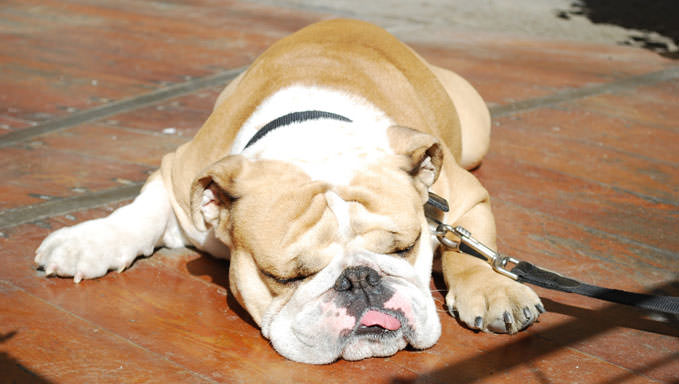
4. Give Them a Comfortable Place to Rest
Every dog should have a comfortable place where they can relax without being disturbed.
This might be a supportive dog bed, a crate that the dog already associates with positive experiences, or a quiet corner with a familiar blanket.
A designated resting area can be especially useful in busy households. Children should learn that when the dog is resting in their space, the dog should be left alone.
Don’t underestimate the importance of sleep, either. Dogs spend a significant amount of time resting, and puppies and older dogs may need even more.
A comfortable place to sleep is one of the simplest gifts you can give your companion.
5. Make Grooming a Gentle Experience
Grooming isn’t just about making your dog look good.
Regular brushing can help keep the coat in good condition, while appropriate nail care and bathing can support general hygiene. The exact grooming routine depends on your dog’s coat type and individual needs.
The key is to make grooming as comfortable and positive as possible.
Introduce brushes, nail handling, and bathing gradually. Use rewards when appropriate, take breaks, and avoid forcing a frightened dog through a difficult session.
If your dog becomes extremely stressed or you aren’t comfortable performing a particular grooming task, professional help may be appropriate.
Gentle handling can turn necessary care into an opportunity to build trust.
6. Keep Their Mind Busy
Physical exercise isn’t the only way to keep a dog happy.
Dogs also benefit from activities that encourage them to think, explore, sniff, and learn.
Try rotating different enrichment activities instead of giving your dog the same toy every day.
For example:
- Teach a new trick
- Hide treats for a scent game
- Use a food puzzle
- Practice basic commands
- Introduce a safe new toy
- Let your dog explore interesting smells during walks
- Practice simple impulse-control exercises
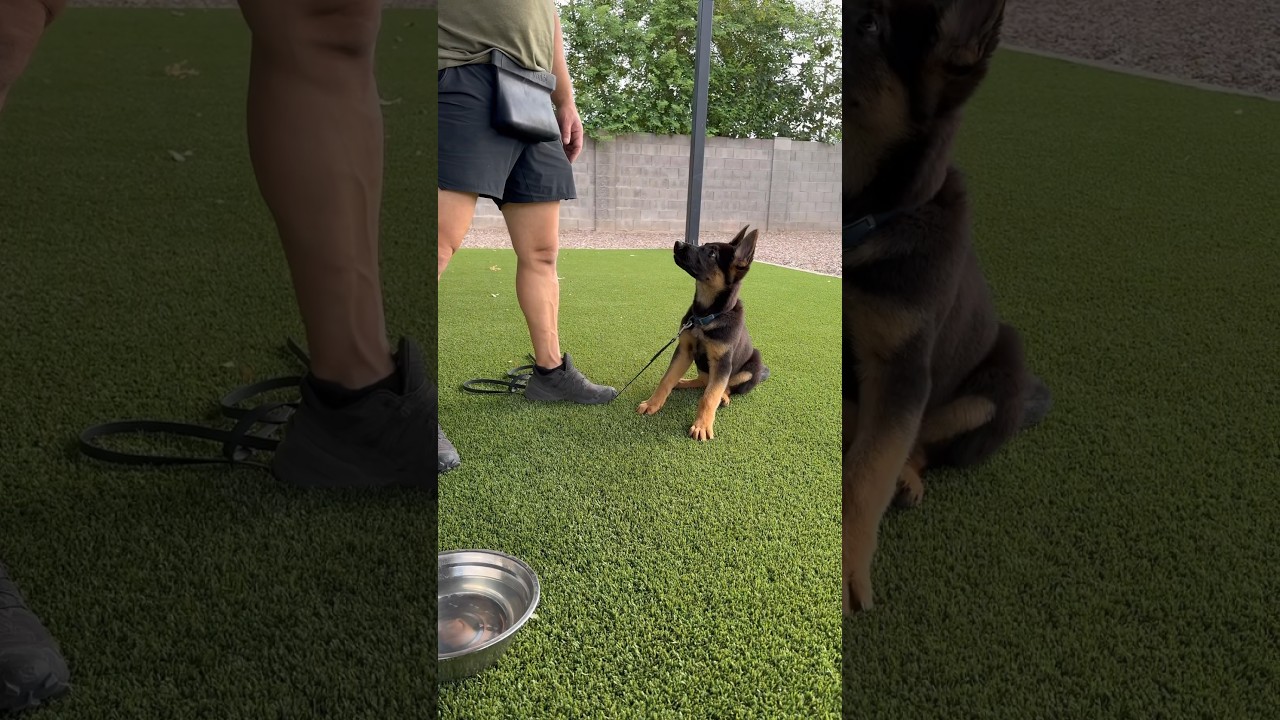
Training can be especially valuable because it combines mental stimulation with interaction between you and your dog.
You don’t need complicated equipment. A few minutes of thoughtful training can be enough to make a dog’s day more interesting.
7. Show Affection in a Way Your Dog Enjoys
Every dog has individual preferences when it comes to physical affection.
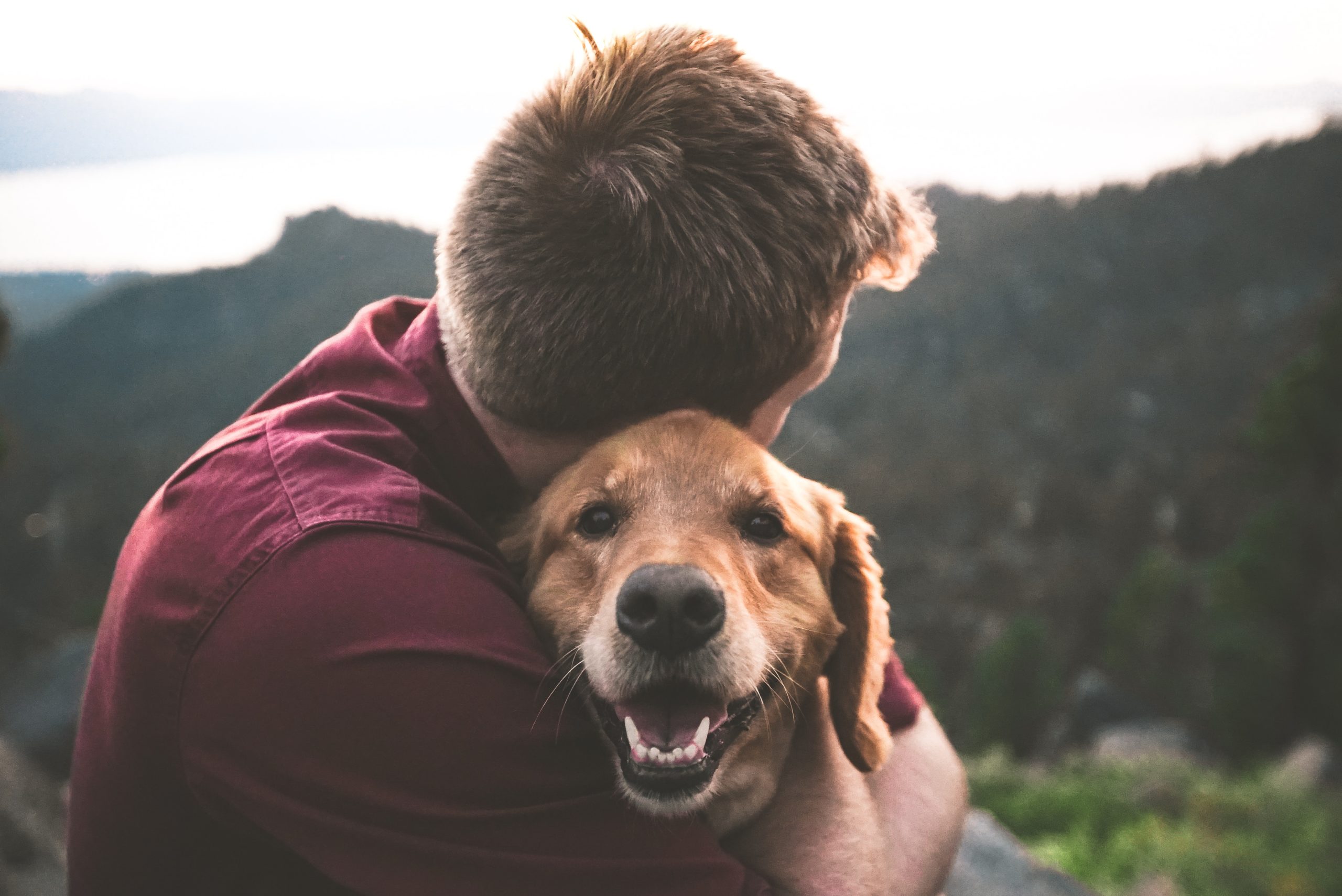
Some dogs love cuddles, belly rubs, and sitting beside their humans. Others prefer a few gentle scratches and then some personal space.
Instead of assuming your dog enjoys a particular type of affection, watch their body language.
A relaxed body, loose movements, voluntary approach, and continued engagement can indicate that the interaction is comfortable. Turning away, moving away, freezing, hiding, or repeatedly showing other stress signals may mean your dog wants space.
Respecting those boundaries is an important form of love.
Sometimes the best way to show affection is simply to let your dog choose how they want to interact.
8. Protect Their Health and Safety
Love also means protecting your dog from preventable dangers.
Make your home and outdoor areas as safe as possible. Keep hazardous foods, medications, chemicals, small objects, and other dangerous items out of reach.
Depending on your dog’s lifestyle and veterinary advice, routine preventive care may include:
- Veterinary checkups
- Vaccinations
- Parasite prevention
- Dental care
- Identification and microchipping
- Appropriate grooming
- Weight management
Use appropriate restraints when traveling, and keep your dog under control in potentially dangerous outdoor environments.
Your dog relies on you to make decisions they cannot make for themselves.
9. Create a Predictable Daily Routine
Dogs often become comfortable when important parts of their day follow a predictable pattern.
Meals, walks, play, training, bathroom breaks, and bedtime don’t have to happen at exactly the same minute every day, but a reasonably consistent routine can make life easier to understand.
A routine can also help you notice changes in your dog’s normal behavior.
For example, if your dog suddenly stops eating breakfast, no longer wants their usual walk, or becomes unusually restless, the change may be easier to recognize when you know what their normal routine looks like.
Consistency is more than convenience.
It can help your dog understand what to expect from everyday life.
Don’t Forget the Power of Small Moments
You don’t need to plan a special “dog day” every week.
Sometimes the best moments are incredibly simple.
Sit together on the couch. Take a relaxed walk. Spend five minutes playing with their favorite toy. Give them a gentle brush. Practice a trick. Let them sniff during a walk instead of rushing.
Your dog experiences life through everyday interactions, and those ordinary moments are where much of your relationship is built.
A Simple Dog Care Checklist
If you want an easy reminder of the basics, try this daily checklist:
| Need | Simple way to show you care |
|---|---|
| Companionship | Spend focused time together |
| Nutrition | Provide appropriate complete and balanced food |
| Hydration | Keep fresh water available |
| Exercise | Offer age- and ability-appropriate activity |
| Enrichment | Provide play, sniffing, puzzles, or training |
| Rest | Give your dog a comfortable quiet place |
| Affection | Interact in ways your dog enjoys |
| Safety | Remove hazards and supervise appropriately |
| Health | Keep up with veterinary and preventive care |
Let Your Dog Have a Pampering Day
Every once in a while, turn an ordinary day into something special.
Take your dog on a new walking route, spend extra time playing, offer an enrichment activity, or simply spend a peaceful afternoon together.
You don’t have to spoil your dog with excessive treats or expensive toys.
Your attention may be the most valuable gift of all.
Final Thoughts
Showing your dog that you care isn’t about doing something extraordinary every day.
It’s about consistently meeting their needs, keeping them safe, respecting their boundaries, providing appropriate food and exercise, and making time for companionship.
Dogs become part of our families through thousands of small moments.
A walk.
A game.
A quiet nap beside you.
A gentle scratch behind the ears.
A few minutes of training.
Those simple acts may seem ordinary, but together they create the secure and loving relationship your dog depends on.
The best way to tell your dog “I love you” is often to keep showing up for them—every single day.
This Article Was Generated By AI.





Leave a comment