






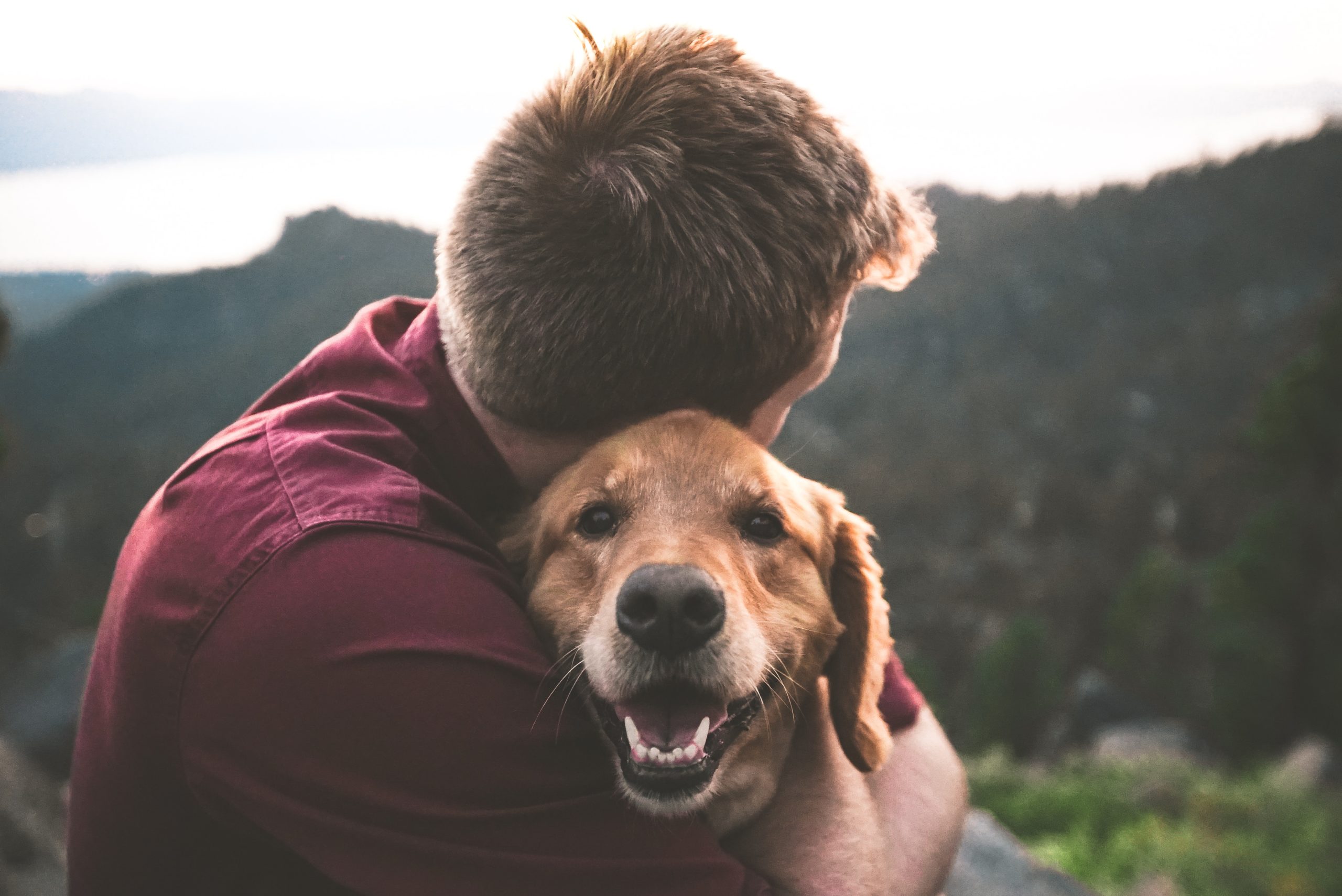
Dogs occupy a unique place in human society. They live in our homes, work alongside us, assist people with disabilities, and form close relationships with their families.
Yet the legal status of dogs is different from their role in everyday life.
In many legal systems, animals are still treated as property, although animal-cruelty and welfare laws provide protections that do not apply to ordinary objects. In the United States, for example, state anti-cruelty laws generally prohibit certain forms of abuse and neglect even though animals remain legally classified as property.
This has led some animal-law advocates, scholars, and organizations to argue that animals should receive stronger legal protections or, in some cases, specific legal rights.
The debate isn’t about giving dogs exactly the same rights as humans. Instead, it often focuses on whether dogs should have legal protections that reflect their capacity to experience pain, their individual interests, and their dependence on humans.
Here are nine arguments commonly raised in discussions about stronger legal protections for dogs.
1. Dogs Can Experience Pain and Distress
One of the central arguments for stronger animal protections is that dogs are capable of experiencing pain, fear, distress, and other forms of suffering.
Animal-welfare laws already reflect this principle to some extent. For example, anti-cruelty laws can prohibit conduct that causes unjustified pain or suffering.
Supporters of broader animal rights argue that the law should go further by recognizing that a dog isn’t simply an inanimate possession.
This distinction matters because a living animal has interests related to its welfare that an ordinary piece of property does not.
2. Stronger Protections Could Help Prevent Abuse and Neglect
Animal-cruelty laws already provide important protections, but enforcement and legal standards vary between jurisdictions.
Stronger legal protections could potentially place greater emphasis on an individual dog’s welfare and make responsibilities toward dependent animals clearer.
Basic care can include:
- Adequate food and clean water
- Appropriate shelter
- Necessary veterinary treatment
- Protection from unnecessary injury
- Safe living conditions
- Reasonable opportunities for exercise
- Protection from prolonged neglect
The precise requirements depend on local law, but the broader principle is straightforward: people who take responsibility for a dog also take on duties toward that animal.
3. Veterinary Care Is an Important Part of Animal Welfare
Dogs depend on humans for many aspects of their healthcare.
An owner controls whether a dog receives veterinary attention, preventive care, treatment for injuries, and medication when necessary.
A stronger legal framework could place greater emphasis on minimum standards of medical care when an animal is seriously ill or injured.
This doesn’t mean every dog would require unlimited or expensive treatment.
Rather, the discussion centers on preventing situations in which an animal experiences avoidable suffering because basic care is deliberately withheld.
4. Dogs Have Interests Beyond Their Monetary Value
One major question in animal-law debates is whether the legal system should consider an animal’s interests independently of its financial value.
If a dog is stolen, injured, or killed, the consequences can extend far beyond the animal’s purchase price.
The family may lose a companion, working animal, service animal, or long-standing member of the household.
Animal-law scholars have explored legal models that would recognize animals as more than ordinary property while still allowing humans to remain responsible for their care.
5. Dogs Perform Important Roles in Human Society
Dogs contribute to human communities in many ways.
They can work as:
- Guide and assistance dogs
- Search-and-rescue dogs
- Detection dogs
- Police and military working dogs
- Therapy and facility dogs
- Herding and livestock guardians
- Hunting companions
- Service animals
Their working roles can involve demanding physical and mental tasks.
Stronger welfare protections could help ensure that working dogs receive appropriate care during their service and after they retire.
At the same time, recognizing the value of working animals doesn’t mean their worth depends on their usefulness to people. Their welfare can be considered important regardless of whether they perform a job.
6. Guardianship Could Emphasize Human Responsibility
Some advocates prefer the word guardian rather than owner because it emphasizes the responsibilities involved in caring for an animal.
Under a guardianship-oriented approach, the human relationship with a dog could be viewed less like ownership of an object and more like responsibility for a dependent living being.
This idea doesn’t necessarily require eliminating every aspect of property law.
Legal scholars have proposed models in which animals could retain a different legal status while humans continue to have responsibilities and authority over their care.
The terminology itself is part of a broader debate about how the law should understand human-animal relationships.
7. Family Courts Could Consider a Dog’s Welfare
Dogs are often deeply integrated into family life.
When relationships end, disagreements can arise over who should keep a companion animal.
Traditional property-based approaches may focus on ownership, purchase, or possession. A welfare-based approach could instead give greater attention to the dog’s interests and established relationship with the people involved.
Possible factors could include:
- Who has been providing daily care
- The dog’s relationship with each person
- The dog’s living environment
- Continuity of veterinary care
- The dog’s established routine
- The ability of each household to meet the dog’s needs
Some jurisdictions and courts have explored approaches that move beyond simply treating pets like ordinary objects, although the rules differ considerably depending on location.
8. Dogs Need More Than Food and Shelter
Physical survival isn’t the only consideration in animal welfare.
Dogs also have behavioral and social needs.
Depending on the individual dog, these can include opportunities for:
- Exercise
- Exploration
- Rest
- Play
- Training
- Mental enrichment
- Social interaction
- Normal species-appropriate behaviors
A dog kept alive but subjected to constant fear, severe confinement, or chronic neglect may still experience significant welfare problems.
That is one reason modern animal-welfare discussions increasingly consider quality of life rather than focusing solely on whether an animal is physically alive.
9. Stronger Legal Recognition Could Reflect Their Status as Sentient Animals
Perhaps the biggest argument for stronger legal rights is philosophical.
Dogs aren’t objects in the ordinary sense. They are living beings capable of experiencing their environment.
Animal-rights advocates therefore argue that legal systems should recognize at least some interests that belong to animals themselves.
However, animal rights and animal welfare are not identical concepts.
Animal-welfare laws generally seek to regulate how people treat animals, while animal-rights theories can go further by questioning whether animals should continue to be treated as property and whether some animals should possess legally enforceable rights.
This distinction is important when discussing proposed changes to animal law.
What Would Legal Rights for Dogs Actually Look Like?
The phrase “legal rights” can mean very different things.
It could refer to stronger protections against:
- Cruelty
- Severe neglect
- Abandonment
- Unnecessary suffering
- Dangerous confinement
- Certain forms of exploitation
More ambitious proposals could involve giving animals some form of legal standing or recognizing animals as subjects of specific rights.
These approaches are not necessarily the same.
Legal personhood, for example, is a much broader concept than simply strengthening animal-cruelty laws. Legal scholarship describes personhood as a status that can affect an entity’s ability to hold and enforce legal rights.
Dogs Already Have Some Legal Protections
It’s also important not to suggest that dogs currently have no legal protection.
In the United States, every state has animal anti-cruelty legislation, although the details and enforcement mechanisms vary. These laws can prohibit cruelty and neglect and may establish duties regarding food, water, shelter, or care.
Other countries have developed different approaches.
Some legal systems have introduced concepts such as animal sentience or specific legal protections while still retaining aspects of traditional property law.
So the debate isn’t simply about choosing between “no protection” and “full legal personhood.” There is a broad spectrum of possible legal approaches.
The Debate Has Difficult Questions Too
Expanding legal rights for dogs would raise complicated questions.
For example:
- Which rights should dogs receive?
- Who would represent a dog’s interests in court?
- How would conflicts between human and animal interests be handled?
- Would every animal receive the same protections?
- How would veterinary euthanasia be regulated?
- How would working animals be treated?
- How would ownership and guardianship interact?
- What would happen when a dog’s interests conflict with public safety?
These questions help explain why animal-rights law remains a developing field rather than a settled legal issue.
A Changing View of Our Relationship With Dogs
Regardless of where someone stands on the question of legal rights, there is little doubt that the human relationship with dogs has changed dramatically.
Dogs are companions, family members, workers, service animals, and community animals.
Modern animal-welfare laws already recognize that animals deserve protections that ordinary property does not receive. At the same time, advocates continue to debate whether those protections should go further.
The discussion ultimately raises a broader question:
How should the law reflect what we know about the animals who depend on us?
Final Thoughts
The idea that dogs should have legal rights is part of a much larger debate about animal welfare, animal sentience, property law, and legal personhood.
Some people argue that existing welfare laws can be strengthened while animals remain legally classified as property. Others believe animals such as dogs should eventually receive specific legal rights that recognize their interests more directly.
There is no single legal model used everywhere, and the rules vary significantly between jurisdictions.
What is clear is that dogs are living, sentient animals whose welfare can be affected profoundly by human decisions.
Whether societies ultimately choose stronger welfare protections, new legal categories, or broader animal rights, the debate is fundamentally about how the law should balance human interests with the well-being of animals who depend on us.










Leave a comment