





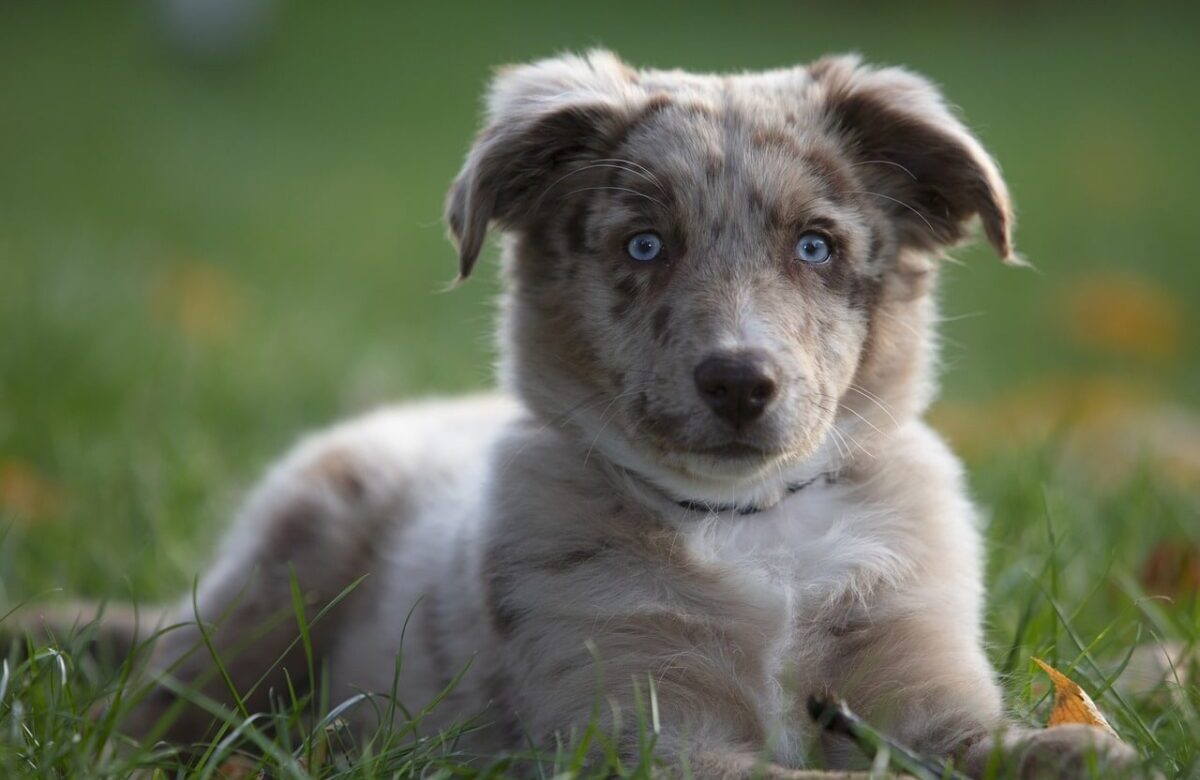
Few things are more striking than looking into a dog’s bright blue eyes. That unusual eye color can give a dog an almost otherworldly appearance, especially when paired with a merle, spotted, or otherwise distinctive coat.
Blue eyes can occur naturally in several dog breeds, although the genetics behind the color vary. In some breeds, blue eyes are associated with particular coat patterns, while in others they are more commonly seen in puppies or alongside specific genetic traits.
Some dogs may even have one blue eye and one brown or amber eye, a condition known as heterochromia.
But those beautiful eyes are only part of the story. Every breed has its own personality, exercise requirements, grooming needs, and health considerations.
Here are 13 dog breeds that can have remarkably blue eyes.
1. Siberian Husky
The Siberian Husky may be the first breed people picture when they think of blue-eyed dogs.
Their bright blue eyes, athletic build, upright ears, and thick coat give them an unmistakable appearance. Some Huskies have two blue eyes, while others have one blue eye and one brown eye.
Originally developed as sled dogs, Siberian Huskies were bred for endurance rather than short bursts of activity. They tend to be energetic, curious, and independent.
Their beautiful appearance can attract plenty of attention, but prospective owners should remember that Huskies are active working dogs. They need regular exercise, mental stimulation, secure outdoor areas, and consistent training.
A blue-eyed Husky may be gorgeous, but its active personality is just as important when considering the breed.
2. Australian Shepherd
Australian Shepherds are intelligent, athletic herding dogs that can sometimes have brilliant blue eyes.
Blue eyes are particularly associated with certain coat patterns, including merle. An Aussie may have two blue eyes, one blue eye, or eyes of different colors.
Their appearance is only one reason the breed attracts attention.
Australian Shepherds are highly energetic and intelligent. They generally thrive when they have activities that challenge both their bodies and their minds.
Training, agility, obedience, herding activities, hiking, and interactive games can all provide useful outlets for their energy.
For an active owner, the combination of intelligence, athleticism, and unusual eye color can make an Australian Shepherd especially memorable.
3. Border Collie
Border Collies are famous for their intelligence and extraordinary ability to focus on a task.
Some Border Collies, particularly those with certain coat patterns, can have blue eyes. Heterochromia can also occur, giving a dog one blue eye and one eye of another color.
Their intense gaze is already one of the breed’s most recognizable characteristics, so blue eyes can make it even more striking.
Border Collies were developed as working herding dogs and usually need much more than basic physical exercise. They benefit from training, problem-solving activities, interactive games, and opportunities to use their natural abilities.
A blue-eyed Border Collie is certainly eye-catching, but its intelligence and work ethic are what prospective owners should appreciate most.
4. Catahoula Leopard Dog
The Catahoula Leopard Dog is one of the most visually distinctive breeds on this list.
Originating in Louisiana, the breed is known for its unusual coat patterns and striking eyes. Some Catahoulas have pale blue or glass-like eyes, while others may have brown, amber, green, or differently colored eyes.
Heterochromia can also occur.
Catahoulas are athletic working dogs with histories involving hunting, herding, and property work. They can be energetic, independent, and determined.
Because of those traits, they generally benefit from experienced handling, training, socialization, and plenty of appropriate activity.
Their unusual eyes are beautiful, but their working-dog personality should be an equally important consideration for anyone interested in the breed.
5. Weimaraner
Weimaraners are famous for their sleek silver-gray coats and athletic appearance.
Their eyes can be particularly striking, especially during puppyhood. Weimaraner puppies may have blue-gray eyes that change as they mature, eventually becoming shades such as amber or gray.
This means a blue-eyed Weimaraner puppy does not necessarily grow into an adult with permanently blue eyes.
The breed was developed as a hunting companion and tends to be energetic, intelligent, and strongly attached to its family.
Weimaraners need regular exercise and mental engagement. They can also become frustrated when left without sufficient companionship or activity.
Their elegant appearance may draw people in, but their active lifestyle is a major part of what makes them unique.
6. Dalmatian
Dalmatians are instantly recognizable because of their distinctive spotted coats.
While dark eyes are more typical, blue eyes can occur in some Dalmatians, particularly in association with certain genetic factors affecting pigmentation.
Their unusual appearance can be captivating, but prospective owners should understand that eye color is only one small part of the breed.
Dalmatians are athletic, energetic dogs that generally benefit from regular exercise and training. They can be playful and devoted companions when properly socialized and given suitable outlets for their energy.
Anyone considering a Dalmatian should also research the breed’s specific health considerations and work with responsible breeders or reputable rescue organizations.
7. Great Dane
Great Danes are enormous dogs with surprisingly gentle personalities.
Certain Great Danes, particularly those with merle-related coat patterns, can have blue eyes or differently colored eyes.
Their size alone makes them remarkable, but blue eyes can add another layer to their impressive appearance.
Despite their enormous stature, Great Danes are often affectionate and people-oriented. They still require appropriate exercise, training, socialization, and enough space to move comfortably.
Because of their size, prospective owners should also think carefully about food costs, veterinary care, transportation, sleeping arrangements, and other practical considerations.
A blue-eyed Great Dane may turn heads wherever it goes, but its gentle temperament and giant size are equally important parts of the package.
8. Shetland Sheepdog
The Shetland Sheepdog, commonly called the Sheltie, is a small herding breed with a luxurious coat and an expressive face.
Some Shelties with merle coloring can have blue eyes or one blue eye paired with another color.
Their appearance can resemble a smaller version of a rough-coated Collie, but the Sheltie has its own distinct history and personality.
These dogs are intelligent, responsive, and often enthusiastic about learning. They can excel in obedience, agility, and other canine activities.
Their intelligence also means they benefit from mental stimulation and regular interaction with their families.
A blue-eyed Sheltie combines an unusual appearance with the alert and energetic personality expected from a herding dog.
9. Cardigan Welsh Corgi
The Cardigan Welsh Corgi is the longer-tailed member of the two Corgi breeds.
Most Cardigans have dark eyes, but blue eyes can occur in dogs with certain merle coats.
These short-legged dogs may look compact and cuddly, but their history as herding dogs means they can be energetic, intelligent, and surprisingly athletic.
Cardigans generally enjoy games, training, walks, and activities that allow them to use their minds.
A blue-eyed Cardigan Welsh Corgi can certainly stand out from the crowd, but owners should choose the breed because its overall personality and needs fit their household—not simply because of eye color.
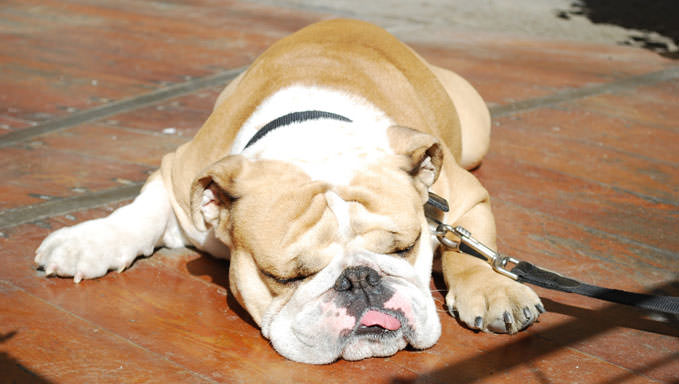
10. French Bulldog
French Bulldogs are known for their bat-like ears, compact bodies, and expressive faces.
Blue eyes are not typical of the breed’s standard appearance, but they can occur in dogs carrying certain coat-color genetics, including some merle-patterned French Bulldogs.
That unusual appearance can attract considerable attention.
However, anyone considering a French Bulldog should look beyond eye color and carefully consider health and breeding practices. French Bulldogs can be affected by breathing, heat tolerance, skin, spinal, and other health concerns.
A responsible breeder should prioritize health and appropriate genetic testing rather than breeding primarily for unusual appearance.
For people who love the breed, personality and overall health should come before rare cosmetic traits.
11. American Pit Bull Terrier
Blue eyes can occur in some American Pit Bull Terriers, although they are not the typical adult eye color.
Certain coat colors and genetic factors can be associated with lighter eyes, especially when dogs are young.
These dogs can have a remarkably expressive appearance when paired with a blue-eyed gaze.
As with every breed, however, appearance doesn’t determine personality. Individual temperament is influenced by genetics, early experiences, socialization, training, and environment.
Anyone considering an American Pit Bull Terrier should focus on the individual dog’s temperament and needs rather than choosing a dog based solely on eye color.
12. Old English Sheepdog
The Old English Sheepdog is famous for its shaggy coat and distinctive appearance.
Some individuals can have lighter or blue eyes, although eye color varies and isn’t the defining feature of the breed.
Originally developed as a working dog, the Old English Sheepdog is intelligent and capable of learning a variety of activities.
Its enormous coat is one of the biggest practical considerations for owners. Regular grooming is essential, and maintaining that dense coat can require considerable time.
Their unusual appearance and gentle, engaging personalities have made them memorable companions for generations.
13. Dachshund
Dachshunds are usually associated with dark eyes, but certain coat patterns can produce lighter or blue eyes.
This is particularly associated with some dapple-patterned Dachshunds.
The breed’s distinctive long body and short legs are only part of its charm. Dachshunds were originally developed to hunt animals in underground burrows, and they still tend to be curious, courageous, and determined.
They can be playful and deeply attached to their families, but their independent nature means consistent training is important.
Prospective owners should also learn about the breed’s increased risk of intervertebral disc disease and take appropriate precautions regarding weight, exercise, and high-impact jumping.
A blue-eyed Dachshund may look unusual, but its classic personality remains the real attraction.
Why Do Some Dogs Have Blue Eyes?
Blue eyes in dogs can result from several genetic mechanisms.
In some dogs, genes affecting pigmentation can reduce or alter the pigment normally present in the iris. Certain coat patterns, including merle, can be associated with unusual eye colors.
Some dogs may have two blue eyes, while others have one blue eye and one eye of a different color.
Puppies can also have eyes that appear blue or gray when they are very young before their adult eye color develops.
Because the genetics vary between breeds, blue eyes don’t mean exactly the same thing in every dog.
Is Blue Eye Color Always Healthy?
Blue eyes themselves aren’t automatically a sign that a dog has a health problem.
However, certain genetic combinations associated with unusual pigmentation can be linked with health concerns in some dogs.
For example, merle genetics can create beautiful coat and eye patterns, but breeding two merle dogs together can increase the risk of serious health problems in their puppies.
This is one reason responsible breeding practices matter.
If you’re considering a blue-eyed puppy, ask the breeder about the parents’ health testing, genetic history, and breeding practices. If you’re adopting an adult dog, a veterinarian can evaluate the dog’s overall health, including its eyes.
Blue Eyes Are Beautiful, But Personality Matters More
A dog’s eye color can be one of the first things people notice, but it shouldn’t be the main reason someone chooses a companion.
A Siberian Husky, Australian Shepherd, Border Collie, Catahoula Leopard Dog, or Dachshund may have beautiful blue eyes, but each breed has very different exercise, training, grooming, and lifestyle requirements.
The best match comes from understanding the entire dog—not simply choosing the most unusual appearance.
Final Thoughts
Blue-eyed dogs can have an unforgettable appearance. Their pale, icy, or glass-like eyes can make an already distinctive breed look even more remarkable.
From the athletic Siberian Husky to the elegant Weimaraner, hardworking Australian Shepherd, unusual Catahoula Leopard Dog, and tiny but determined Dachshund, these breeds demonstrate just how much variety exists in the canine world.
If you’re considering one of these dogs, take the time to research the breed’s temperament, exercise requirements, grooming needs, and potential health concerns.
Those mesmerizing eyes may be what catches your attention—but the dog’s personality and compatibility with your lifestyle are what will shape your life together.
This Article Was Generated By AI.








Leave a comment