



Small dogs can bring enormous personalities into surprisingly small packages.
Their compact size makes them appealing to people living in apartments, smaller homes, or urban environments, while their affectionate, playful, and sometimes hilariously confident personalities can make them wonderful companions.
But choosing a small dog shouldn’t be based on appearance alone.
A tiny dog may still need plenty of exercise, training, grooming, mental stimulation, and veterinary care. Some small breeds are relaxed and happy to spend much of the day beside their owners, while others are energetic and always looking for something to do.
The right small dog is the one whose personality, activity level, grooming needs, and care requirements fit naturally into your lifestyle.
This guide will help you understand what to consider before choosing a small dog and introduce you to several popular breeds worth exploring.
What Makes a Dog a “Small Breed”?
There isn’t one universal definition of a small dog.
The category generally includes breeds that are considerably smaller than medium and large dogs, but there can be a significant difference between individual small breeds.
For example, a Chihuahua can weigh only a few pounds, while a sturdier small breed such as a French Bulldog can be substantially heavier.
Size also affects more than how much space a dog occupies.
It can influence:
- How much food they need
- How easily they can be transported
- Their physical handling requirements
- Their vulnerability to accidental injury
- Their exercise needs
- The type of equipment they require
- How they interact with children and larger dogs
So rather than choosing a dog simply because it’s “small,” consider what type of small dog fits your household.
Factors to Consider Before Choosing a Small Dog
Before bringing home a small dog, take some time to evaluate your lifestyle.
1. Size and Physical Build
Not all small dogs have the same physical needs.
Some are extremely tiny and delicate, while others are compact and muscular.
If you have young children or larger pets, consider whether a very fragile dog would be appropriate for your household.
A small dog should also be handled carefully. Jumping from furniture, accidental falls, or rough play can be particularly risky for tiny dogs.
2. Energy Level
One of the biggest misconceptions about small dogs is that they don’t need much exercise.
Some small breeds are energetic and need daily walks, play, training, and mental stimulation.
Terrier breeds, for example, can be remarkably active despite their small size.
Before choosing a breed, ask yourself:
- How much walking can I provide every day?
- Do I enjoy outdoor activities?
- Can I provide indoor games and enrichment?
- How much time can I dedicate to training?
- Would I prefer an energetic or relaxed companion?
Your answer can help narrow down the choices.
3. Grooming Requirements
Small doesn’t necessarily mean low-maintenance.
A long-haired small dog may require frequent brushing and professional grooming, while another breed with a short coat may require much less coat maintenance.
Consider whether you’re comfortable with:
- Regular brushing
- Bathing
- Nail trimming
- Ear care
- Dental care
- Professional grooming
If grooming is difficult for you, look for a breed and coat style that fits your available time and budget.
4. Temperament
Every breed has general tendencies, but individual dogs can differ significantly.
Some small dogs are outgoing and friendly with almost everyone. Others may be cautious around strangers or protective of their owners.
Think about the personality you want in a companion.
Would you prefer a dog that:
- Loves meeting new people?
- Enjoys relaxing at home?
- Likes learning tricks?
- Wants to accompany you everywhere?
- Is playful and energetic?
- Is relatively independent?
Choosing based on temperament can be more important than choosing based on appearance.
5. Children and Other Pets
If your household includes children or other animals, compatibility should be considered carefully.
Small dogs can be vulnerable to accidental injury from young children, even when neither the child nor the dog intends to cause harm.
Children should be taught to handle dogs respectfully, avoid disturbing them while eating or sleeping, and never pull their ears, tails, or fur.
If you already have pets, ask a shelter, rescue organization, or responsible breeder about the individual dog’s history with other animals.
10 Popular Small Dog Breeds to Consider
There are many wonderful small breeds, each with its own characteristics.
Here are ten to explore.
1. French Bulldog
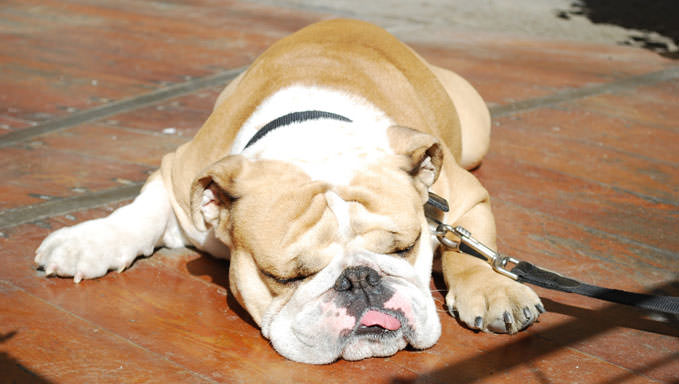
French Bulldogs are compact, sturdy, and often affectionate companions.
They tend to enjoy spending time with their families and may be perfectly happy relaxing around the house after a short walk or play session.
Their playful personalities and distinctive appearance have made them extremely popular.
However, French Bulldogs require special health considerations.
Their short facial structure can be associated with breathing problems and reduced tolerance for heat and strenuous exercise.
If you’re considering this breed, learn about its potential health needs and be particularly cautious during hot weather.
2. Cavalier King Charles Spaniel
Cavalier King Charles Spaniels are known for their affectionate and people-oriented personalities.
Many enjoy being close to their owners and can adapt well to a variety of households.
They typically enjoy walks and play but can also settle down for quiet companionship.
Their silky coat requires regular grooming, and prospective owners should research breed-related health concerns before choosing one.
For someone looking for a friendly companion that enjoys both activity and relaxation, the Cavalier can be an appealing option.
3. Yorkshire Terrier
Yorkshire Terriers may be tiny, but they often have confident and energetic personalities.
Yorkies can be affectionate with their owners and enjoy interactive play and training.
Their small size makes them convenient for many living situations, but they shouldn’t be treated as purely decorative lap dogs.
They still benefit from daily activity and mental stimulation.
Their long coat also requires regular grooming unless kept in a shorter trim.
4. Chihuahua
Chihuahuas are among the smallest dog breeds, but their personalities can be remarkably bold.
Many form strong bonds with their owners and enjoy staying close to their favorite people.
They can be suitable for smaller homes, but they still need exercise, training, socialization, and enrichment.
Some Chihuahuas may be wary of unfamiliar people or dogs, so early positive socialization can be especially useful.
Because of their tiny size, they should also be protected from rough handling and accidental falls.
5. Shih Tzu
Shih Tzus were developed primarily as companion dogs and often enjoy spending time with their families.
Many are affectionate and adaptable, making them appealing to people who want a small dog that enjoys companionship without requiring intense athletic activity.
They still need regular walks, play, and mental stimulation.
Their beautiful coat is one of their defining features, but maintaining it requires consistent grooming.
Owners who don’t want extensive coat maintenance can discuss a shorter haircut with a professional groomer.
6. Bichon Frise
The Bichon Frise is a cheerful little companion with a playful and social personality.
Bichons often enjoy interacting with their owners and can combine periods of activity with relaxing family time.
Their coat requires regular grooming, so potential owners should be prepared for ongoing maintenance.
Bichons are sometimes described as hypoallergenic, but no dog is completely allergen-free. People with allergies should spend time around an individual dog before making an adoption or purchase decision.
7. Dachshund
Dachshunds are small dogs with an unmistakable long-backed appearance and enormous personalities.
They were developed to hunt badgers and other animals that lived in burrows, so their small stature shouldn’t be mistaken for a lack of determination.
Many Dachshunds are playful, curious, intelligent, and devoted to their families.
They also have a strong instinct to investigate, dig, and follow interesting scents.
Because their long backs can be vulnerable to spinal problems, owners should pay attention to healthy weight, appropriate exercise, and safe handling.
Dachshunds are available in different coat types and sizes, so grooming requirements can vary.
8. Pomeranian
Pomeranians are tiny, fluffy dogs with energetic and confident personalities.
They can be affectionate with their families while also enjoying play, exploration, and training.
Their small size makes them easy to accommodate in many homes, but they still need regular activity.
Their thick coat requires consistent grooming, and some Pomeranians can be quite vocal.
They may suit someone who wants a small dog with a lively personality rather than a completely laid-back companion.
9. Havanese
Havanese dogs are cheerful, social, and strongly oriented toward human companionship.
They often enjoy participating in household activities and can be playful without requiring the same level of exercise as a highly athletic dog.
Their coats require regular maintenance, although grooming styles can vary.
Because they generally enjoy human company, potential owners should consider how much time the dog will spend alone during a typical day.
A Havanese can be an excellent choice for someone who wants an interactive companion.
10. Papillon
Papillons are small, elegant dogs recognized for their distinctive butterfly-shaped ears.
Don’t let their delicate appearance fool you—they can be active, intelligent, and enthusiastic learners.
Papillons often enjoy training, games, walks, and activities that challenge their minds.
Their intelligence can make them particularly rewarding companions for owners who enjoy teaching tricks and practicing obedience.
They can live comfortably in smaller homes when their exercise and mental stimulation needs are properly met.
Small Dogs That May Surprise You With Their Energy
If you’re specifically looking for a dog that spends most of the day relaxing, don’t assume that every small breed will meet that expectation.
Several small breeds can be highly active.
Terriers may have strong instincts to chase, investigate, dig, or explore. Papillons can be surprisingly athletic. Dachshunds can be determined and energetic despite their short legs.
Before choosing a dog, research the breed’s actual exercise requirements rather than relying on its size.
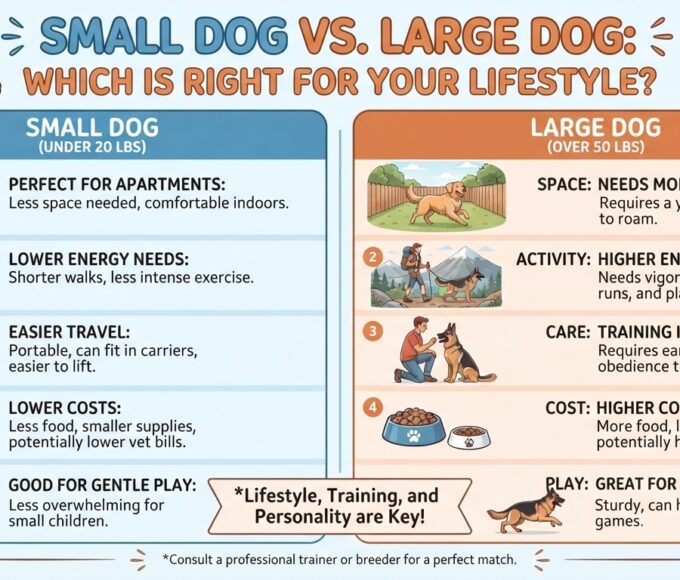
Are Small Dogs Good for Apartment Living?
Many small dogs can adapt well to apartment life, but living in an apartment doesn’t eliminate their need for activity.
A small dog can become bored or frustrated without enough exercise, training, play, and enrichment.
Apartment-friendly considerations include:
- Daily walks
- Indoor games
- Training sessions
- Puzzle toys
- Appropriate socialization
- Access to safe outdoor areas
- Managing barking
Noise can also be an important consideration.
Some small breeds are naturally more vocal than others, which could matter if you live close to neighbors.
The dog’s individual temperament is also important.
Do Small Dogs Need Less Exercise?
Not always.
A dog’s exercise requirements depend on factors such as breed, age, health, personality, and fitness level—not simply body size.
A small but energetic dog may need considerably more activity than a larger dog with a calm temperament.
Instead of asking, “How little exercise does this breed need?” consider whether you can meet the breed’s appropriate daily physical and mental needs.
Grooming Small Dogs
Grooming requirements can vary dramatically between small breeds.
Short-coated dogs may need relatively little brushing, while breeds with long or continuously growing coats may require frequent grooming.
Regardless of coat type, routine care can include:
- Brushing
- Nail trimming
- Dental care
- Ear checks
- Bathing when appropriate
- Coat inspection
Dental care deserves particular attention because small dogs can be prone to dental problems.
Regular veterinary examinations can help identify oral health issues and other conditions early.
Small Dog Health Considerations
Small breeds aren’t automatically healthier or less expensive to care for than larger dogs.
Different breeds can have different health risks.
Potential concerns among small dogs can include:
- Dental disease
- Luxating patellas
- Certain eye conditions
- Respiratory problems in short-faced breeds
- Spinal problems in some long-backed breeds
- Obesity
- Fragility and accidental injuries
This doesn’t mean every dog will develop these conditions.
It simply means prospective owners should research the health profile of the breed they’re considering and plan for routine veterinary care.
Small Dogs and Children
A small dog can be a wonderful family companion, but supervision is essential when young children are involved.
Some small dogs are physically fragile and can be injured by accidental falls, being stepped on, or rough handling.
Teach children to:
- Approach the dog calmly
- Avoid disturbing the dog while eating or sleeping
- Let the dog move away when it wants space
- Handle the dog gently
- Avoid pulling ears, tails, or fur
- Ask an adult before picking up the dog
Never leave very young children unsupervised with a dog, regardless of the dog’s breed or size.
Should You Adopt an Adult Small Dog?
A puppy isn’t your only option.
Adult and senior small dogs can make wonderful companions, and adoption can give you the opportunity to learn more about an individual dog’s personality before bringing them home.
With an adult dog, you may already have information about:
- Adult size
- Energy level
- Temperament
- House-training
- Compatibility with other animals
- Behavior around people
Rescue organizations and shelters can often provide valuable information about a dog’s history and needs.
How to Choose the Right Small Dog for You
Instead of searching for the “perfect” breed, think about your daily routine.
If You Want a Relaxed Companion
Look for an individual dog with a calmer temperament and moderate exercise needs.
If You Want an Active Little Dog
Consider breeds known for enjoying walks, games, training, and other activities.
If You Don’t Enjoy Grooming
Look for a coat that fits your maintenance preferences or budget for professional grooming.
If You Have Young Children
Prioritize a dog whose temperament and physical characteristics are appropriate for your household, and teach children how to interact safely.
If You Have Other Pets
Look for an individual dog with a compatible history and temperament, and introduce animals gradually and safely.
If You Spend a Lot of Time Away From Home
Consider whether the breed and individual dog are comfortable with your schedule. Some companion breeds can struggle with being left alone for long periods.
Frequently Asked Questions
Are small dogs easier to care for than large dogs?
They can be easier to physically manage and may require less food and living space, but small dogs can still have substantial grooming, training, exercise, and veterinary needs.
Which small dog is best for apartment living?
Many small breeds can adapt to apartments, but there isn’t one breed that’s ideal for every apartment resident. Consider exercise requirements, barking tendencies, temperament, and how much time you can spend with the dog.
Do small dogs need daily walks?
Most dogs benefit from regular physical activity, although the amount varies by breed, age, health, and individual temperament. Walks can also provide valuable opportunities for sniffing and mental stimulation.
Are small dogs good with children?
Some are, but breed alone doesn’t guarantee compatibility. A dog’s individual temperament and the child’s age and behavior are important. Young children should always be supervised around dogs.
Do small dogs have fewer health problems?
Not necessarily. Small breeds can experience their own breed-specific health concerns, including dental problems, orthopedic conditions, and respiratory issues in some short-faced breeds.
Are small dogs expensive to own?
They may consume less food than larger dogs, but ownership costs include veterinary care, grooming, preventive medications, training, equipment, and unexpected medical expenses. Small size doesn’t guarantee low overall costs.
Is an adult small dog a good alternative to a puppy?
Yes. An adult dog may be a practical choice for someone who prefers a more established personality and doesn’t want the intensive supervision and house-training required by a young puppy.
Final Thoughts
Small dogs can make wonderful companions, but choosing one shouldn’t be based solely on how cute or portable they are.
A Chihuahua may be tiny but confident. A Papillon may be small but highly energetic. A Shih Tzu may enjoy quiet companionship while requiring regular grooming. A French Bulldog may have moderate exercise needs but require additional attention to heat and breathing concerns.
Every breed—and every individual dog—comes with its own combination of strengths and challenges.
Before bringing a small dog home, consider exercise, temperament, grooming, health, training, household compatibility, and long-term costs.
And don’t overlook adult and senior dogs at shelters and rescue organizations. Sometimes the right match isn’t the puppy you originally imagined. It may be an older dog whose personality already fits your lifestyle perfectly.
The best small dog for you isn’t necessarily the tiniest, trendiest, or most popular breed.
It’s the companion whose needs and personality fit comfortably into your everyday life.







Leave a comment