




Watching your dog grow from a playful puppy into a senior companion can be both rewarding and emotional. Older dogs may slow down, sleep more, or develop changes in their mobility, senses, appetite, or behavior. These changes don’t necessarily mean your dog can’t enjoy life—they simply mean their care may need to evolve.
Senior dogs can still enjoy walks, play, training, social interaction, and plenty of family time. The key is adapting activities to their changing abilities and paying closer attention to subtle signs that something may be wrong.
From comfortable bedding and gentle exercise to dental care and regular veterinary visits, small adjustments can make a major difference in your older dog’s quality of life.
When Is a Dog Considered a Senior?
There isn’t one exact age at which every dog becomes a senior.
Smaller breeds often live longer than giant breeds, so they may reach their senior years later. Genetics, lifestyle, nutrition, previous health problems, and individual differences also influence aging.
Instead of focusing only on a specific birthday, pay attention to changes such as:
- Sleeping more than usual
- Taking longer to get up
- Moving more slowly
- Reluctance to climb stairs
- Difficulty jumping onto furniture
- Changes in hearing or vision
- Increased thirst or urination
- Changes in appetite
- Weight loss or gain
- New anxiety or confusion
- Reduced interest in play
- Changes in grooming habits
Any significant or sudden change should be discussed with a veterinarian rather than automatically being attributed to old age.
1. Keep Gentle Walks Part of the Routine
Older dogs still benefit from regular movement.
Exercise helps maintain muscle strength, mobility, coordination, and a healthy body weight. It can also provide mental stimulation because walks allow dogs to investigate new scents and surroundings.
However, senior dogs often need a different approach than young, energetic dogs.
Instead of one long, exhausting walk, consider shorter walks with appropriate rest periods.
Let your dog set the pace.
If they become tired, start limping, lag behind, excessively pant, or appear uncomfortable, stop and allow them to rest.
Choose Comfortable Walking Surfaces
Hard, uneven, or slippery surfaces may be uncomfortable for dogs with aging joints.
When possible, choose safe and relatively forgiving surfaces such as:
- Grass
- Smooth walking paths
- Firm but comfortable trails
- Other well-maintained surfaces
Avoid forcing an older dog to walk farther simply because they used to be able to.
The goal is maintaining movement—not exhausting them.
2. Add Low-Impact Exercise
Senior dogs may benefit from activities that provide movement without placing excessive stress on their joints.
Depending on your dog’s health and physical abilities, possibilities may include:
- Gentle walking
- Controlled swimming
- Slow scent games
- Short periods of indoor movement
- Gentle play
- Veterinary-approved strengthening exercises
Swimming can be useful for some dogs because water supports part of the body’s weight, reducing impact on joints.
However, swimming isn’t appropriate for every dog. Some dogs cannot swim safely, while others may have medical conditions that make it unsuitable.
Always consider your dog’s individual health and speak with your veterinarian before introducing a new exercise program.
3. Keep Your Senior Dog’s Mind Active
Physical exercise isn’t the only form of activity older dogs need.
Mental stimulation can help keep their daily lives interesting and provide opportunities for interaction with their owners.
Try activities such as:
Puzzle Toys
Food puzzles can encourage dogs to sniff, investigate, and problem-solve.
Choose puzzles appropriate for your dog’s abilities. If a puzzle is too difficult, your dog may become frustrated rather than enriched.
Snuffle Mats
Sniffing for scattered food or treats can provide a gentle mental challenge without requiring intense physical activity.
Scent Games
Hide small amounts of food in safe, easy-to-find locations and encourage your dog to search.
You can gradually make the game more challenging as they understand what to do.
Gentle Training
Senior dogs can absolutely learn new behaviors.
Try teaching simple tricks or practicing familiar commands, provided the movements are physically comfortable.
Training also provides valuable one-on-one time with you.
4. Adapt Exercise to Your Dog’s Mobility
Senior dogs may develop arthritis or other conditions affecting their joints and muscles.
That doesn’t mean all activity should stop.
Instead, modify activities to match your dog’s abilities.
For example, if jumping onto furniture has become difficult, don’t repeatedly encourage them to jump. Use a ramp or provide a comfortable bed at floor level.
If stairs are becoming challenging, consider restricting access or adding appropriate safety measures.
Your veterinarian can also recommend exercises that are appropriate for your dog’s specific condition.
5. Make Water Easily Available
Good hydration remains important throughout a dog’s life.
Keep fresh, clean water available throughout the day and make sure your senior dog can reach it easily.
Consider placing additional water bowls in areas where your dog spends significant time, especially if walking to another room has become difficult.
During warm weather or after activity, pay particularly close attention to water intake.
Watch for Changes in Drinking
A noticeable increase or decrease in drinking can sometimes be associated with an underlying health problem.
If your senior dog suddenly starts drinking much more or much less than usual, contact your veterinarian rather than assuming it’s simply part of aging.
Signs such as unusual lethargy, dry or sticky gums, weakness, or persistent panting can also warrant veterinary attention.
6. Create a Comfortable Sleeping Area
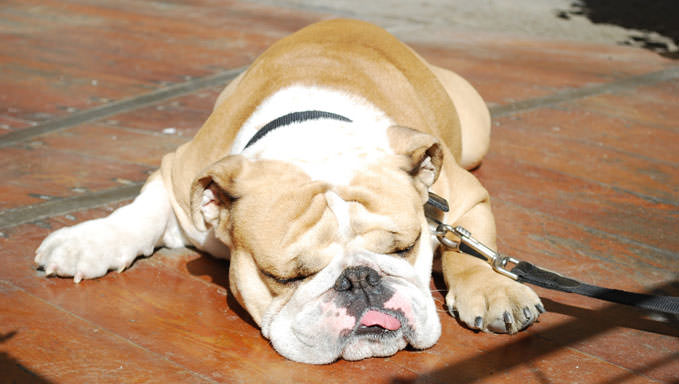
Older dogs often spend more time sleeping and resting.
A supportive bed can make those hours more comfortable.
Consider:
- Orthopedic or supportive bedding
- A low-entry bed that’s easy to access
- Soft blankets when appropriate
- A quiet location away from heavy foot traffic
- A bed placed on a non-slip surface
If your dog has difficulty getting up from a very soft bed, choose a supportive option that provides cushioning without allowing them to sink too deeply.
7. Improve Traction Around the Home
Slippery floors can be difficult for senior dogs with reduced strength or joint discomfort.
If your home has hardwood, tile, or other slippery flooring, consider adding non-slip rugs or runners in frequently used areas.
Pay particular attention to:
- Hallways
- Areas around food and water bowls
- Routes to the backyard
- Stairways
- Areas around beds
Good traction can give an older dog greater confidence when moving around the home.
8. Consider Ramps and Steps Carefully
Jumping from furniture or climbing stairs can become harder as dogs age.
A properly designed ramp may make it easier for some dogs to access:
- Cars
- Low furniture
- Outdoor areas
- Other elevated spaces
However, not every dog is comfortable using a ramp.
Introduce it gradually and reward calm exploration. Never force a frightened dog to use it.
For some dogs, simply changing their environment to eliminate the need for climbing may be the safest solution.
9. Pay Attention to Temperature
Senior dogs may be less tolerant of extreme temperatures.
Cold weather can make stiff joints more uncomfortable, while hot weather can increase the risk of overheating.
During cold conditions, provide a warm, comfortable resting area.
During hot weather:
- Keep your dog in a cool environment.
- Provide fresh water.
- Avoid strenuous exercise during the hottest part of the day.
- Offer shade outdoors.
- Never leave your dog in a parked vehicle.
Dogs with certain body types, including short-muzzled breeds, may require especially careful heat management.
10. Maintain a Regular Grooming Routine
Older dogs still need regular grooming, even if they are less active.
Brushing helps remove loose hair and debris while giving you an opportunity to notice changes in the skin or coat.
Check regularly for:
- Lumps or unusual growths
- Redness
- Sores
- Dry or irritated skin
- Parasites
- Matted fur
- Changes in odor
Senior dogs with limited mobility may find grooming uncomfortable, so keep sessions gentle and take breaks when necessary.
If bathing is difficult, ask your veterinarian or a professional groomer about safe alternatives and appropriate handling.
11. Don’t Forget Dental Care
Dental health remains important as dogs age.
Plaque and tartar can contribute to periodontal disease, which can cause pain and affect a dog’s ability to eat comfortably.
Watch for:
- Bad breath
- Difficulty chewing
- Dropping food
- Excessive drooling
- Red or swollen gums
- Loose teeth
- Reluctance to eat hard food
Regular veterinary dental examinations can help identify problems early.
Your veterinarian can also recommend an appropriate home dental-care routine.
12. Keep Nails at a Healthy Length
Long nails can change the way a dog stands and walks and may make movement more uncomfortable.
Senior dogs that walk less may naturally wear down their nails less than active dogs.
Check the nails regularly and trim them as needed, either at home if you’re comfortable doing so or with professional assistance.
If your dog has difficulty standing for grooming, your veterinarian or experienced groomer can help determine a safer approach.
13. Schedule Regular Veterinary Checkups
Routine veterinary care becomes particularly important as dogs age.
Older dogs may develop health conditions that aren’t immediately obvious at home.
Regular examinations allow your veterinarian to monitor changes and discuss appropriate screening based on your dog’s age, breed, medical history, and individual risk factors.
Keep your veterinarian informed about changes in:
- Appetite
- Weight
- Drinking
- Urination
- Mobility
- Sleep
- Behavior
- Hearing
- Vision
- Bathroom habits
Early investigation can be valuable when a new problem appears.
14. Take Changes in Behavior Seriously
Behavioral changes in an older dog shouldn’t automatically be dismissed as “just getting old.”
A senior dog that suddenly becomes restless, withdrawn, unusually clingy, confused, aggressive, or reluctant to interact may be experiencing pain, sensory changes, anxiety, cognitive changes, or another medical issue.
Keep a simple record of unusual behaviors and when they occur.
This information can help your veterinarian identify patterns.
15. Make the Home Easier to Navigate
Changes in hearing or vision can make familiar environments more challenging.
If your dog’s eyesight is declining, avoid frequently rearranging furniture.
Keep pathways clear and use consistent locations for beds, food, and water.
If your dog has trouble seeing at night, gentle lighting in hallways and around stairs may help them navigate more confidently.
For dogs with hearing loss, avoid startling them from behind. Use visual signals or gently create a vibration nearby before touching them.
16. Maintain a Predictable Daily Routine
Older dogs often benefit from consistency.
Try to keep important parts of the day relatively predictable, including:
- Meal times
- Bathroom breaks
- Walks
- Medication
- Rest periods
- Bedtime
A familiar routine can make daily life easier, particularly for dogs experiencing changes in their senses or cognition.
17. Give Your Senior Dog Plenty of Rest
Senior dogs often sleep more than younger dogs.
Don’t feel that you need to keep an older dog constantly entertained.
Provide a comfortable place where they can rest without being disturbed.
At the same time, don’t let increased sleep become an excuse to ignore major changes in activity.
A sudden and dramatic increase in sleeping, especially when accompanied by weakness, appetite changes, pain, or withdrawal, should be discussed with a veterinarian.
18. Continue Social Interaction
Older dogs can still benefit from spending quality time with their families.
Depending on their personality and health, this might involve:
- Gentle play
- Quiet walks
- Sitting together outdoors
- Grooming
- Training games
- Calm visits with familiar people
- Relaxing together at home
Social interaction can provide comfort and mental stimulation without requiring strenuous physical activity.
Let your dog decide when they need a break.
19. Keep Your Senior Dog at a Healthy Weight
Maintaining an appropriate body weight becomes particularly important when mobility decreases.
Extra weight can place additional stress on aging joints and make movement more difficult.
However, weight loss in an older dog can also be concerning.
Don’t put your senior dog on a restrictive diet without veterinary guidance. Ask your veterinarian to assess their body condition and recommend an appropriate feeding plan.
20. Watch for Signs That Your Dog Needs Help
Knowing what is normal for your dog makes it easier to recognize changes.
Contact your veterinarian if you notice persistent or concerning symptoms such as:
- Sudden difficulty walking
- Repeated falls
- Significant appetite changes
- Unexplained weight loss
- Excessive thirst
- Difficulty breathing
- Persistent vomiting or diarrhea
- Severe lethargy
- Sudden confusion
- New aggression
- Signs of significant pain
- Difficulty urinating
- Collapse
Some symptoms require urgent veterinary attention, so don’t wait for a routine appointment if your dog appears seriously unwell.
Frequently Asked Questions About Senior Dog Care
How much exercise does a senior dog need?
There is no single amount that works for every senior dog. Exercise should depend on age, breed, fitness, mobility, and medical conditions. Shorter, gentler activities may be more appropriate than long or intense exercise for some older dogs.
Should senior dogs stop going for walks?
Not necessarily. Regular movement can be beneficial for many older dogs. The distance and intensity may need to be reduced, and your veterinarian can help determine an appropriate routine.
Are puzzle toys good for senior dogs?
Yes, many senior dogs can benefit from age-appropriate puzzles, scent games, and food-based enrichment. Choose activities that match your dog’s vision, mobility, and cognitive abilities.
Why is my older dog drinking more water?
Increased thirst can have several possible causes, including normal environmental factors and medical conditions. A noticeable change in drinking habits should be discussed with your veterinarian.
Do older dogs need special beds?
A supportive bed can make resting more comfortable, particularly for dogs experiencing joint stiffness or mobility problems. Choose bedding that your dog can easily get into and out of.
Can senior dogs learn new tricks?
Yes. Older dogs can continue learning. Choose simple, rewarding behaviors that don’t require movements that could cause discomfort.
How can I make my home safer for an aging dog?
Improve traction with non-slip rugs, keep pathways clear, provide easy access to food and water, reduce unnecessary stairs and jumping, and consider your dog’s vision and hearing changes when arranging the home.
Final Thoughts
Caring for a senior dog isn’t about trying to make them behave like a young dog again. It’s about understanding how their needs are changing and adapting their environment and routine accordingly.
Gentle exercise, mental enrichment, proper hydration, comfortable bedding, good traction, grooming, dental care, a healthy weight, and regular veterinary checkups can all contribute to a better quality of life.
Most importantly, pay attention to your individual dog. A change that seems minor to one owner may be an important clue in another dog. By noticing those changes early and providing plenty of patience, comfort, and companionship, you can help your aging friend enjoy their later years with dignity and plenty of love.





Leave a comment