





Small dogs are often stereotyped as quiet, relaxed companions who are happy spending most of the day curled up on the sofa. While some small breeds certainly enjoy plenty of downtime, others have enough energy and enthusiasm to keep their owners busy from morning until night.
A dog’s size doesn’t determine how much exercise, training, or mental stimulation it needs. Some petite breeds were developed for hunting, herding, vermin control, or other demanding jobs, and many still carry those instincts today.
If you’re looking for a smaller companion but want a dog that enjoys walks, games, training, and outdoor adventures, these energetic small and small-to-medium breeds are worth getting to know.
1. Jack Russell Terrier
The Jack Russell Terrier may have a compact body, but its personality is anything but small.
Originally developed for fox hunting, this breed has a strong instinct to chase, investigate, dig, and pursue interesting scents. Jack Russells are often highly alert and quick to respond to their surroundings.
Their intelligence is another reason they can be such energetic companions. A simple walk may not be enough to satisfy a dog that wants to investigate everything it encounters.
Good activities can include:
- Fetch
- Agility training
- Scent games
- Obedience exercises
- Puzzle toys
- Supervised digging activities
- Short training sessions
Their independence and determination can sometimes make training challenging. Consistency, positive reinforcement, and plenty of appropriate outlets for their energy are important.
2. Dachshund
With their long bodies and short legs, Dachshunds don’t necessarily look like endurance athletes—but they can be surprisingly lively.
Originally bred to hunt animals underground, Dachshunds have strong instincts for sniffing, investigating, digging, and following scents. Many enjoy exploring their surroundings and can be enthusiastic participants in games and training.
Their exercise should be appropriate for their body structure. Because Dachshunds have a long back and are prone to intervertebral disc disease, owners should avoid activities that involve excessive jumping from heights or repeated high-impact movements.
Instead, consider:
- Controlled walks
- Scent games
- Puzzle feeders
- Ground-level play
- Obedience training
- Supervised exploration
Keeping a Dachshund at a healthy body weight is also particularly important for reducing unnecessary strain on its back.
3. Miniature Pinscher
The Miniature Pinscher, often called the Min Pin, is a small breed with a confident and energetic personality.
These dogs are alert, curious, athletic, and often surprisingly fast. They enjoy games that allow them to move, explore, and interact with their owners.
Min Pins can also have an independent streak. They tend to benefit from early socialization and consistent reward-based training.
Activities such as short walks, indoor games, trick training, and puzzle toys can provide both physical and mental stimulation.
Because of their small size, however, they can be vulnerable to injury during rough play with much larger dogs. Supervision and appropriate play partners are important.
4. Chihuahua
Chihuahuas are among the world’s smallest dog breeds, but their personalities can be remarkably bold.
Many Chihuahuas enjoy exploring, playing with toys, learning tricks, and following their owners around the house. They don’t necessarily require hours of strenuous exercise, but regular movement and mental stimulation are still important.
Their small bodies make indoor games particularly practical. A few short play sessions combined with walks and training can provide meaningful activity.
Chihuahuas can also become overly protective or reactive if they aren’t properly socialized. Early exposure to different people, calm dogs, sounds, and environments can help them develop confidence.
Owners should also remember that small dogs can become tired or chilled more quickly than larger dogs, depending on the weather and individual health.
5. Pembroke Welsh Corgi
The Pembroke Welsh Corgi is another excellent example of why short legs don’t necessarily mean low energy.
Corgis were developed as herding dogs and have a history of active farm work. Today, many retain their enthusiasm for movement, training, and problem-solving.
A Corgi may enjoy:
- Long but appropriate walks
- Fetch
- Trick training
- Obedience
- Scent games
- Puzzle feeders
- Herding-style activities
Their intelligence can be both an advantage and a challenge. A bored Corgi may invent its own activities, which aren’t always activities its owner appreciates.
Because of their body shape, keeping them fit without encouraging excessive jumping or unnecessary strain is sensible.
6. Boston Terrier
Boston Terriers are compact, social dogs that often enjoy a good mixture of play and relaxation.
They can be enthusiastic about games, walks, and spending time with their families. Many are also quite entertaining because they tend to combine bursts of activity with periods of rest.
However, Boston Terriers have a short, flat muzzle, which can make breathing and heat regulation more challenging than in dogs with longer muzzles.
That means exercise should be adjusted according to weather and the individual dog’s tolerance. Avoid strenuous activity in hot or humid conditions and watch for signs of overheating or breathing difficulty.
For many Boston Terriers, several moderate activities throughout the day can work better than one long, intense workout.
7. Papillon
Don’t let the Papillon’s elegant appearance fool you. This small companion breed can be remarkably athletic.
Papillons are intelligent, alert, and often enthusiastic learners. Their combination of energy and trainability makes them popular participants in activities such as obedience and agility.
They are particularly suited to owners who enjoy teaching tricks and engaging with their dogs.
Mental activities can include:
- Learning new cues
- Food puzzles
- Scent games
- Trick training
- Obstacle exercises
- Interactive play
Because they are small and agile, activities should still be introduced gradually and performed on safe surfaces.
8. Rat Terrier
The Rat Terrier is a lively, intelligent breed with a working background.
Historically used for controlling vermin on farms, Rat Terriers tend to enjoy activities that involve movement and problem-solving. Their curiosity can make them enthusiastic explorers.
They may thrive with:
- Brisk walks
- Fetch
- Scent activities
- Obedience training
- Puzzle toys
- Secure-yard play
Their prey drive can be strong, so owners should take care when allowing them off leash. A secure enclosed area is generally much safer than relying on an unreliable recall around squirrels or other small animals.
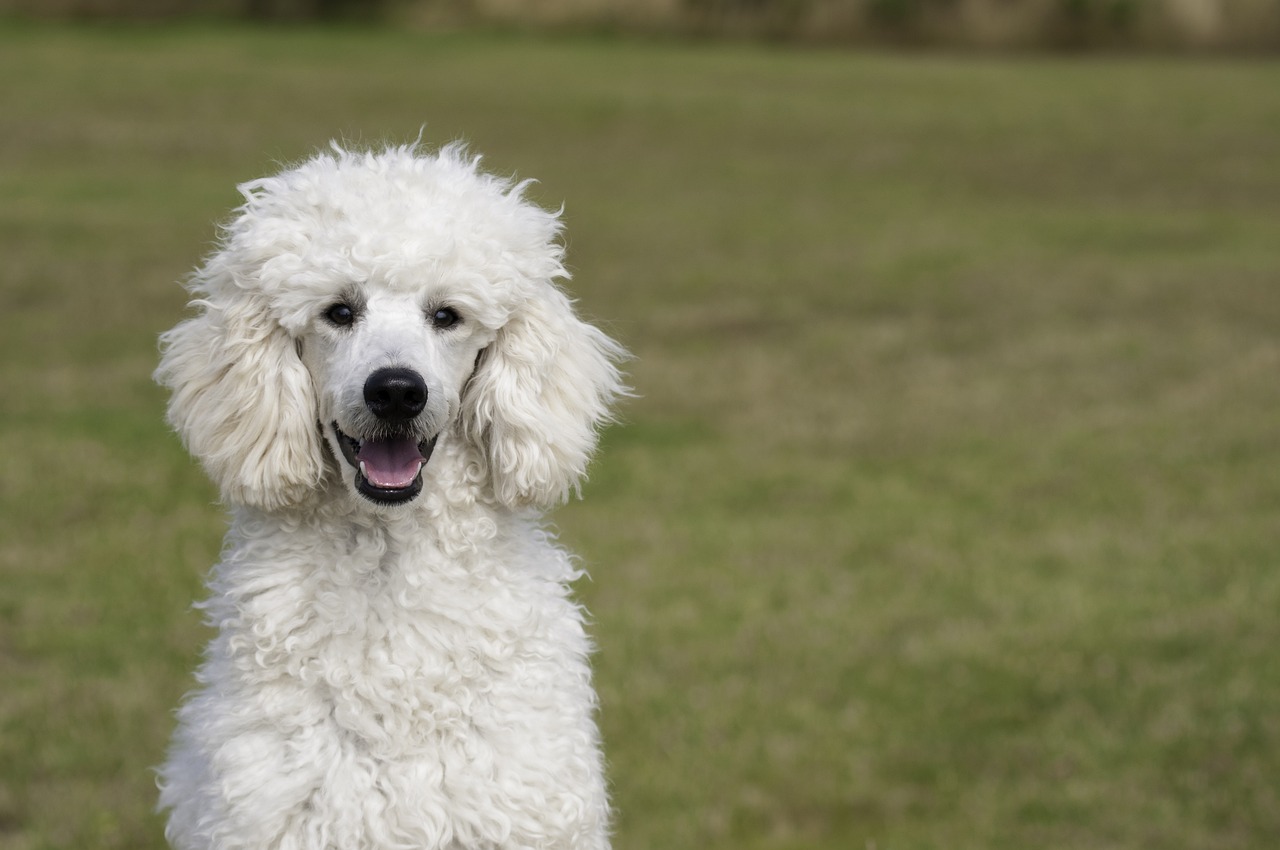
9. Toy or Miniature Poodle
Poodles are often associated with their distinctive coats, but beneath that appearance is an intelligent and active dog.
Toy and Miniature Poodles can enjoy walks, games, tricks, obedience, and problem-solving activities. Their intelligence means mental stimulation can be just as important as physical activity.
Training sessions can be especially rewarding because many Poodles enjoy learning new behaviors.
Owners should also remember that their coat requires regular grooming. An active dog that spends plenty of time outdoors may need additional coat care to prevent mats and keep the skin healthy.
10. Border Terrier
The Border Terrier is a small working terrier with plenty of character.
Originally developed for hunting, these dogs can be energetic, curious, and determined. They often enjoy exploring and participating in activities with their owners.
Their size can make them suitable for many living situations, but that doesn’t mean they should be treated as sedentary pets.
Daily walks combined with games, training, and opportunities to sniff and explore can help satisfy their needs.
As with other terriers, owners should be mindful of their instinct to chase small animals.
Why Are Some Small Dogs So Energetic?
Breed history plays a major role.
A small dog developed to hunt, herd, guard, or work alongside people may still have behavioral traits associated with that original purpose.
For example:
- Terriers often enjoy chasing, digging, and investigating.
- Herding breeds may crave movement and problem-solving.
- Sporting dogs may enjoy retrieving and interactive games.
- Companion breeds can still be playful and active even if they weren’t developed for demanding physical work.
Genetics aren’t the only factor. Age, health, personality, training, environment, diet, and previous experiences all influence how active an individual dog is.
How Much Exercise Does an Energetic Small Dog Need?
There is no universal number of minutes that works for every energetic small dog.
A young, healthy Jack Russell Terrier may have very different exercise requirements from an older Chihuahua. Even two dogs of the same breed can have different energy levels.
Instead of focusing only on a stopwatch, consider providing a balanced daily routine that includes:
Physical Activity
Walks, play sessions, appropriate running, and other activities can help dogs use their physical energy.
Mental Stimulation
Puzzle feeders, scent games, trick training, and obedience exercises give their brains something to work on.
Rest
Rest is just as important as activity. Puppies, senior dogs, and dogs recovering from illness or injury may need significantly more downtime.
Social Interaction
Spending quality time with their owners can be enriching in itself. Training and play can combine social interaction with mental stimulation.
Signs Your Small Dog May Need More Enrichment
A dog doesn’t always communicate boredom directly. Instead, you might notice behaviors such as:
- Excessive barking
- Destructive chewing
- Digging
- Constant attention-seeking
- Pacing
- Restlessness
- Repeatedly stealing household objects
- Difficulty settling down
These behaviors don’t automatically mean your dog isn’t getting enough exercise. Stress, anxiety, insufficient training, medical problems, and other factors can produce similar signs.
If a behavior suddenly appears or changes dramatically, a veterinary checkup can help rule out health-related causes.
How to Keep an Energetic Small Dog Busy Indoors
You don’t need a huge backyard to provide enrichment.
Try activities such as:
Hide-and-Seek
Ask your dog to stay or wait while you hide nearby, then encourage them to find you.
Treat Hunts
Hide small portions of their normal food around a safe room and let them search under supervision.
Trick Training
Teach simple behaviors such as touch, spin, wait, place, or retrieving a toy.
Puzzle Feeders
Use food puzzles appropriate for your dog’s skill level.
Indoor Fetch
If you have a safe, uncluttered area, short games of fetch can provide movement without requiring outdoor space.
Are Energetic Small Dogs Good for Apartments?
They can be, but apartment suitability depends on more than size.
An energetic dog can live happily in an apartment if its physical, mental, social, and training needs are consistently addressed.
At the same time, a small dog that receives very little activity may become frustrated regardless of how large the home is.
Apartment owners should also consider barking. Some energetic small breeds can be quite vocal, so early training and appropriate enrichment are especially valuable when living close to neighbors.
Energetic Small Dogs and Children
Some energetic small breeds can make excellent family companions, but supervision is important.
Small dogs are physically vulnerable to accidental injuries. Young children may not realize how easily a small dog can be hurt by grabbing, chasing, or rough handling.
Teach children to:
- Let the dog approach them
- Avoid pulling ears or tails
- Leave the dog alone while eating
- Respect the dog’s sleeping area
- Avoid climbing on the dog
- Use calm movements around small dogs
Children and dogs should be supervised together, particularly when either is still learning appropriate behavior.
What Makes an Energetic Small Dog a Good Match?
Before choosing a breed, think beyond appearance.
Ask yourself:
Do I enjoy outdoor activities?
If you like walking, hiking, training, or exploring, an active dog may fit naturally into your routine.
How much time can I dedicate to training?
Intelligent energetic breeds often benefit from consistent training rather than exercise alone.
Can I provide mental stimulation?
Puzzle toys, scent games, and learning activities can make a significant difference.
What is my living environment like?
Consider neighbors, access to outdoor areas, local weather, and opportunities for safe exercise.
Am I prepared for the dog’s entire lifespan?
Energy levels change with age, but responsible ownership includes planning for puppyhood, adulthood, and senior years.
Frequently Asked Questions
Are all small dogs low-energy?
No. Small size doesn’t determine energy level. Several small breeds were developed for demanding working roles and can require substantial daily activity and mental stimulation.
What is the most energetic small dog breed?
Energy varies between individual dogs, so there isn’t one breed that can be universally identified as the most energetic. Jack Russell Terriers, Rat Terriers, Miniature Pinschers, Papillons, and several other small breeds are known for being lively and active.
Can energetic small dogs live in apartments?
Yes. Apartment living can work when owners provide sufficient exercise, enrichment, training, and rest. Noise levels and breed-specific tendencies should also be considered.
Do energetic small dogs need hours of exercise every day?
Not necessarily. Exercise needs vary by breed, age, health, fitness, and temperament. A combination of appropriate physical activity and mental enrichment is often more useful than simply trying to exhaust a dog.
Are small energetic dogs difficult to train?
Some can be challenging because of their independence, excitement, or strong instincts. However, many are highly intelligent and can learn quickly when training is consistent, rewarding, and age-appropriate.
Can small energetic dogs be good family pets?
Yes, many can. The key is matching the dog’s temperament and needs with the family’s lifestyle and teaching children how to interact safely and respectfully with dogs.
Final Thoughts
Small dogs can pack an impressive amount of energy into a surprisingly compact body. From the determined Jack Russell Terrier to the athletic Papillon and hardworking Corgi, these breeds demonstrate that a little dog can have plenty of enthusiasm for life.
If you’re considering an energetic small dog, don’t choose based on size or appearance alone. Think about exercise requirements, mental stimulation, grooming, training, prey drive, health considerations, and how well the breed’s temperament fits your household.
With appropriate exercise, enrichment, training, rest, and companionship, an energetic small dog can become an enthusiastic partner for everyday adventures—whether those adventures happen on a hiking trail, at a training class, in a backyard, or right inside your home.








Leave a comment