




Some dogs seem to have a natural talent for making friends everywhere they go. Others are perfectly happy to greet another dog, but their real priority is finding their favorite person and staying close.
A dog’s social preferences can be influenced by genetics, early socialization, training, previous experiences, and individual personality. So no breed should be assumed to dislike other dogs simply because it is known for being people-oriented. Many dogs on this list can enjoy canine playtime—they may simply be more interested in following their humans, learning from them, receiving affection, or relaxing beside them.
If you’re looking for a dog that enjoys a close human-pet relationship, these 12 breeds are worth getting to know.
1. Cavalier King Charles Spaniel
The Cavalier King Charles Spaniel has long been associated with companionship, and that history is reflected in its affectionate personality. These small dogs often want to participate in whatever their family is doing.
A Cavalier may happily greet another dog at the park, but once the excitement is over, it may be more interested in returning to its owner’s side. Many enjoy sitting beside their people, following them from room to room, or curling up for a quiet afternoon.
Their friendly and responsive nature can also make them enjoyable training partners. Cavaliers generally do best when they receive plenty of positive interaction and aren’t routinely left isolated for long periods.
Why they may prefer people: They were developed primarily as companion dogs and often seek closeness, attention, and reassurance from their families.
2. Labrador Retriever
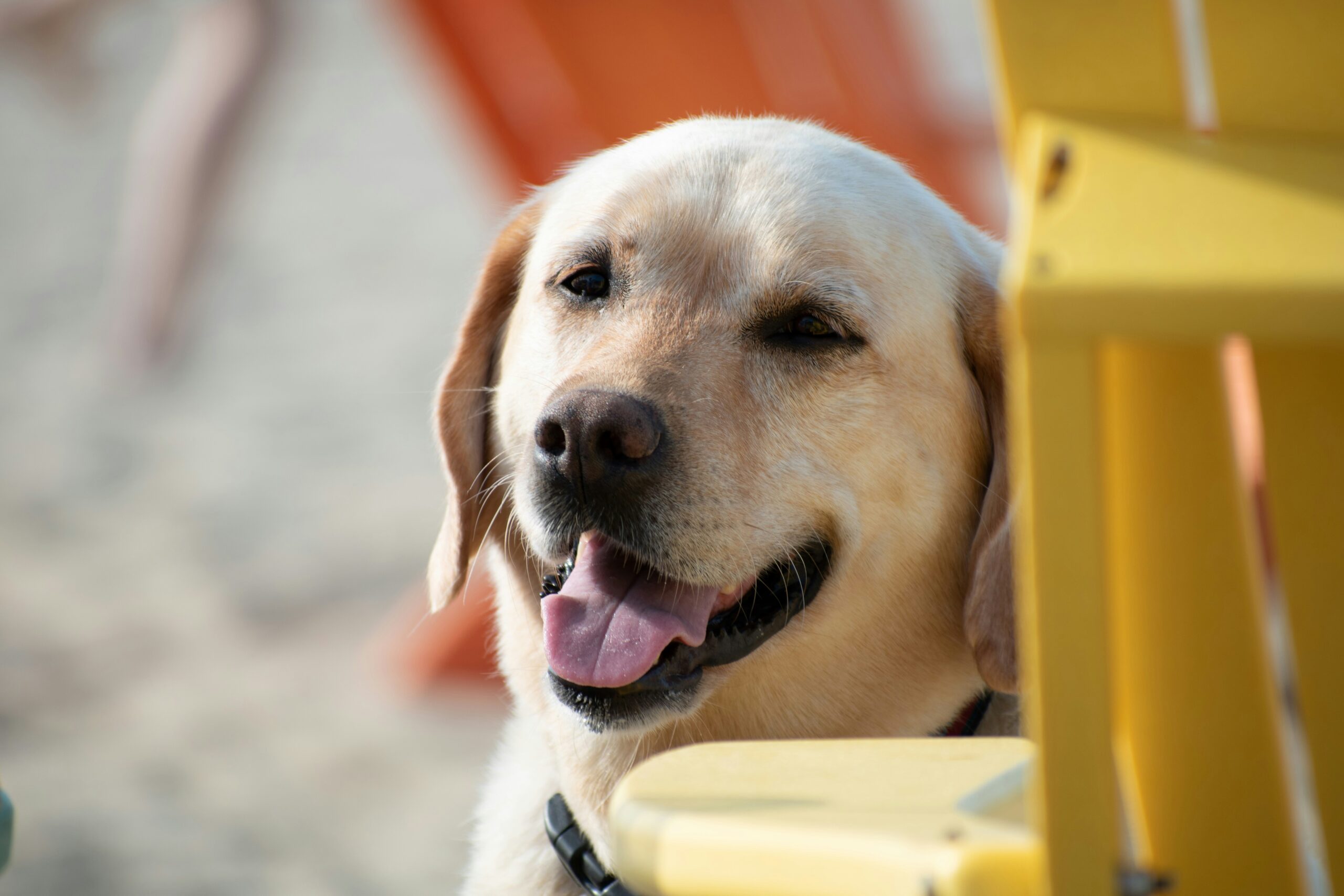
Labrador Retrievers are famous for their friendly personalities, but their enthusiasm isn’t limited to other dogs. Labs often develop exceptionally strong relationships with their human families.
They tend to enjoy activities that involve people, including retrieving games, obedience training, swimming, hiking, and learning new skills. A Lab may happily play with another dog, but having its owner throw the ball, give a command, or join the game can be even more rewarding.
Their eagerness to work alongside people is one reason Labradors have been widely used as assistance, detection, search-and-rescue, and therapy dogs.
Why they may prefer people: They often enjoy cooperation, training, games, and attention that involve their human companions.
Keep in mind: Labradors are energetic dogs. Their people-focused personality doesn’t mean they are content with a sedentary lifestyle.
3. French Bulldog
French Bulldogs often form remarkably close relationships with their owners. Their compact size and affectionate personalities can make them especially interested in staying near the people they know and trust.
A Frenchie may enjoy greeting other dogs, but many would just as happily spend the afternoon beside their family. They often seek physical affection and may follow their favorite person around the home.
Because French Bulldogs are brachycephalic, however, owners should pay particular attention to heat, humidity, strenuous exercise, and breathing difficulties. Their desire to stay close to their humans shouldn’t be confused with a need for constant activity.
Why they may prefer people: They were developed primarily as companion dogs and commonly enjoy close, one-on-one interaction.
4. Boxer
Boxers are energetic, affectionate, and famously playful with their families. Their goofy expressions and entertaining behavior have earned them a reputation as one of the more fun-loving companion breeds.
Although a well-socialized Boxer can enjoy spending time with other dogs, many are highly focused on their household members. They may prefer playing fetch with their owner, going for a walk together, practicing commands, or simply being involved in family activities.
Boxers can also be sensitive to being excluded from family life. Regular interaction, training, exercise, and mental stimulation are important for keeping them settled.
Why they may prefer people: Their strong family attachment and enthusiasm for interactive activities often make human companionship especially rewarding.
5. Shih Tzu
The Shih Tzu was developed as a companion dog, and companionship remains a major part of its personality. These little dogs often enjoy being close to their owners rather than constantly seeking interaction with other animals.
A Shih Tzu might happily coexist with another dog in the home while still choosing a human lap as its favorite place. Many enjoy gentle attention, cuddling, and simply being included in household activities.
They don’t necessarily require nonstop exercise, but they still benefit from walks, play, training, and mental stimulation.
Why they may prefer people: Their history as companion dogs has contributed to a strong interest in human attention and close family relationships.
Important consideration: Their long coat requires regular grooming, and their short muzzle means owners should be cautious about overheating.
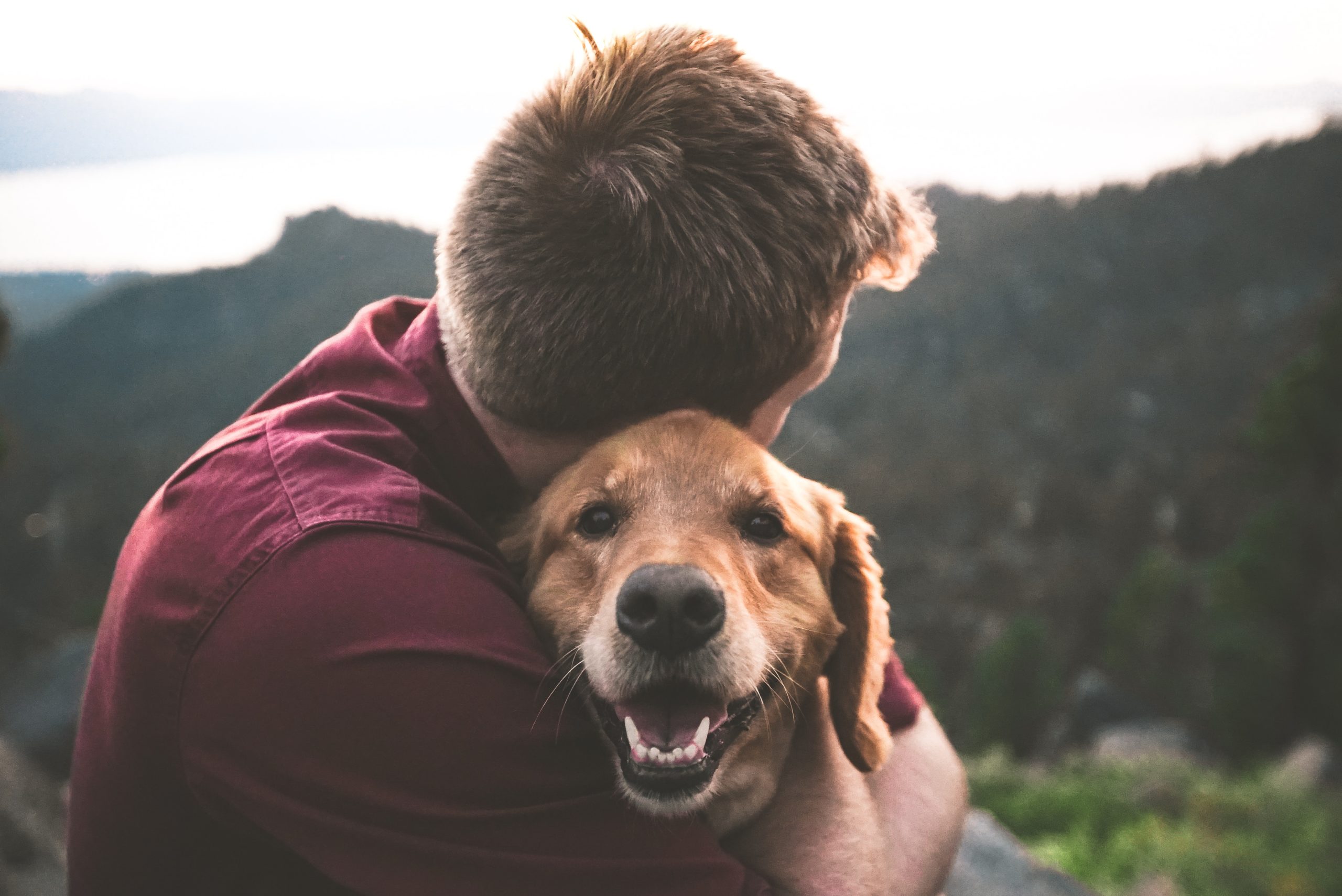
6. Golden Retriever
Golden Retrievers are highly social dogs, but their social world often revolves heavily around their people. They tend to enjoy doing things with their owners rather than simply sharing the same space.
Training sessions, retrieving games, outdoor adventures, swimming, and family activities can all provide opportunities for a Golden to interact with its favorite humans.
Their willingness to cooperate with people has helped them succeed in many working and assistance roles. However, their friendliness doesn’t mean every Golden has the same personality. Some are more independent, while others seem determined to stay beside their owners all day.
Why they may prefer people: Human interaction, cooperation, praise, and shared activities can be especially rewarding for this breed.
7. Pug
Pugs are small dogs with enormous personalities, and many seem happiest when their humans are nearby. They often form strong attachments to their families and enjoy being included in everyday activities.
A Pug may play with another dog, but it might just as easily choose a comfortable spot beside its owner. Their affectionate nature can make them excellent companions for people who enjoy having a dog that wants to stay close.
Because Pugs have very short muzzles, owners need to take heat and strenuous activity seriously. Warm or humid weather can be particularly challenging for brachycephalic dogs.
Why they may prefer people: They tend to enjoy attention, affection, and being part of their family’s daily routine.
8. Shetland Sheepdog
Shetland Sheepdogs, commonly called Shelties, were bred to work closely with people while helping manage livestock. That working history contributes to their attentiveness and responsiveness toward their owners.
A Sheltie may be interested in other dogs, but its human often remains the center of attention. These intelligent dogs frequently watch their owners for cues and can become enthusiastic participants in training and interactive games.
They are also known for being alert and vocal, so prospective owners should be prepared for barking, particularly when the dog notices unfamiliar sounds or activity.
Why they may prefer people: Their working background encouraged close cooperation with humans, and many Shelties enjoy learning and working alongside their owners.
9. Dachshund
Dachshunds are independent thinkers, but that doesn’t stop them from developing powerful bonds with their families. Many become particularly attached to one or more people in the household.
Their curiosity can lead them to investigate everything around them, yet they often return to their owners for attention and companionship. A Dachshund may enjoy exploring outdoors and interacting with another dog but still spend much of its indoor time following its favorite human.
Training can sometimes require patience because these dogs were bred to work independently and pursue prey underground.
Why they may prefer people: Their strong attachment to their owners can coexist with an independent, confident personality.
Health note: Dachshunds have a long-backed body shape that can increase the risk of spinal problems. Owners should discuss safe handling, weight management, and appropriate exercise with their veterinarian.
10. Chihuahua
Chihuahuas are tiny dogs that often form surprisingly intense bonds with their chosen people. Some become especially attached to one person and want to remain close throughout the day.
Their small size can make it easy for owners to carry them everywhere, but they still need opportunities to walk, explore, train, and make appropriate choices for themselves.
Some Chihuahuas are comfortable around other dogs, while others may be selective or cautious. Early, positive socialization can help them develop confidence without forcing interactions they find overwhelming.
Why they may prefer people: Many Chihuahuas are strongly bonded to their owners and may seek human attention and security over canine companionship.
11. Maltese
The Maltese is another toy breed with a long history as a companion. These small dogs often enjoy being near their families and can be happiest when they’re included in everyday household life.
They may follow their owners around the house, curl up nearby, or seek attention when their favorite person sits down. Although many Maltese can socialize well with other dogs, their human family often remains their primary source of companionship.
Their beautiful coat also requires consistent grooming, particularly if it is kept long.
Why they may prefer people: Their companion-dog background has encouraged a strong interest in human interaction and affection.
Remember: A people-oriented dog can still develop separation-related distress if it becomes overly dependent on constant human presence. Teaching calm independence is important.
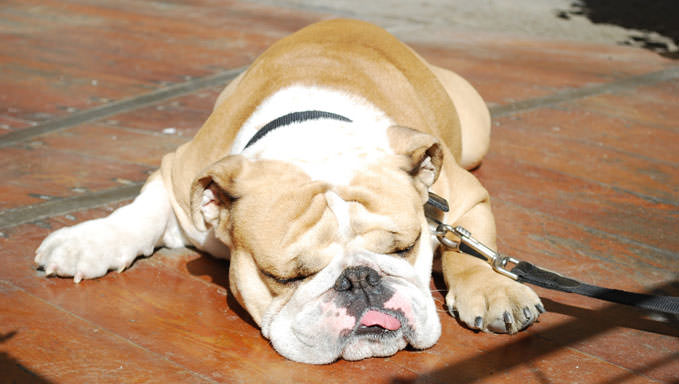
12. English Bulldog
English Bulldogs often have a relaxed approach to life. Rather than constantly looking for the next dog to chase or play with, many would rather settle down beside their family.
Their calm personality and affection for their owners can make human companionship particularly rewarding. A Bulldog may be perfectly content to spend time near its people, receive some attention, and then return to its favorite resting place.
However, their low-energy reputation shouldn’t be mistaken for being maintenance-free. Their body structure can contribute to breathing difficulties, skin-fold problems, overheating, and exercise limitations.
Why they may prefer people: Many Bulldogs enjoy relaxed companionship and close contact with their families more than high-energy social play.
Why Do Some Dogs Prefer People?
Breed tendencies can influence behavior, but there isn’t a simple rule that determines whether a dog will prefer humans or other dogs.
Several factors can shape a dog’s social preferences.
Breeding history
Dogs developed for close cooperation with humans—such as retrieving, herding, or companionship—may naturally pay considerable attention to people.
Early socialization
Puppies that have positive experiences with different people and appropriate dogs can develop broader social confidence.
Individual personality
Even within the same litter, one puppy may be outgoing and dog-loving while another prefers staying beside its owner.
Previous experiences
Positive or negative experiences with other dogs can influence how comfortable an individual dog feels during canine interactions.
Training
Dogs learn what behaviors are rewarding. If spending time with their owner consistently leads to games, treats, affection, walks, and other enjoyable experiences, human interaction can become especially valuable.
Does Preferring People Mean a Dog Doesn’t Like Other Dogs?
Not necessarily.
A dog can enjoy canine companionship while still having a stronger relationship with its owner. Think of it as having different types of social relationships rather than choosing one species over another.
Some dogs love playing at the dog park but spend most of their time checking in with their owner. Others are happy living with another dog but rarely initiate play. Some simply prefer people.
The important thing is to pay attention to the individual dog’s body language and preferences instead of forcing social interaction.
Signs Your Dog May Be More People-Oriented
You may notice that your dog:
- Frequently follows you from room to room
- Checks in with you during walks
- Chooses to sit beside you when other dogs are nearby
- Looks to you for guidance in unfamiliar situations
- Enjoys training sessions
- Brings toys to you rather than another dog
- Seeks physical affection from family members
- Settles more easily when you’re nearby
- Prefers interacting with people during busy social situations
- Chooses its owner when given the opportunity to approach different people or dogs
These behaviors don’t automatically indicate a problem. They can simply reflect a strong human bond.
How to Support a People-Oriented Dog
Having a dog that loves human company can be wonderful, but owners should still encourage healthy independence.
Provide positive socialization
Don’t assume your dog needs to play with every dog it meets. Calm exposure and polite interaction can be more valuable than constant play.
Teach independent relaxation
Give your dog a comfortable place where it can settle while you are nearby but not actively interacting.
Use training as bonding time
Short, positive training sessions can strengthen your relationship while providing mental stimulation.
Don’t force interactions
If your dog is uncomfortable around another dog, don’t force a greeting simply because the other dog appears friendly.
Watch for separation problems
A dog that follows you around isn’t automatically experiencing separation anxiety. However, panic, destructive behavior, excessive vocalization, escape attempts, or inability to settle when alone can indicate a more serious issue that deserves professional guidance.
Choosing a People-Oriented Dog: What Should You Consider?
If you’re specifically looking for a dog that enjoys close human companionship, don’t choose based on breed reputation alone.
Consider:
| Factor | Why It Matters |
|---|---|
| Energy level | Some affectionate breeds still require substantial daily activity |
| Grooming | Coat type can significantly affect maintenance |
| Training needs | Intelligent or independent dogs may require consistent training |
| Size | Small dogs can still have big exercise and behavioral needs |
| Health | Certain body types have specific veterinary considerations |
| Alone time | Very people-oriented dogs may struggle with excessive isolation |
| Children | Temperament and supervision matter more than breed labels |
| Other pets | Individual compatibility should be assessed carefully |
| Climate | Heat tolerance varies considerably between breeds and individuals |
| Lifestyle | The best match depends on your daily routine and available time |
A shelter or rescue dog can also be an excellent choice. Adult dogs often have established personalities, making it easier to identify an individual that genuinely enjoys human companionship.
Final Thoughts
Some dogs seem happiest when they’re right beside their favorite person. Whether they’re following you around the house, waiting for the next training session, or curling up next to you at the end of the day, these people-oriented breeds can form remarkably close relationships with their families.
Cavalier King Charles Spaniels, Labradors, French Bulldogs, Boxers, Shih Tzus, Golden Retrievers, Pugs, Shelties, Dachshunds, Chihuahuas, Maltese, and English Bulldogs can all develop strong human bonds.
Still, breed tendencies are only part of the story. Every dog is an individual, and genetics, socialization, training, health, and life experiences all influence behavior. A dog doesn’t need to choose between loving people and enjoying other dogs. With the right socialization and respect for its preferences, it can have positive relationships with both.
Frequently Asked Questions
What dog breeds are known for being very people-oriented?
Breeds such as Cavalier King Charles Spaniels, Golden Retrievers, Labrador Retrievers, Shih Tzus, Maltese, and French Bulldogs are often known for forming close relationships with people.
Can a people-oriented dog still live with another dog?
Yes. A dog that prefers human companionship can still live happily with another dog. Compatibility depends on the individual dogs, their temperaments, introductions, resources, and household management.
Is a dog that follows me everywhere necessarily clingy?
Not always. Following an owner can simply be normal social behavior. Concern is more appropriate when a dog becomes distressed whenever the owner leaves or cannot settle independently.
Should I take my dog to a dog park if it prefers people?
Not necessarily. Dog parks aren’t required for every dog. If your dog prefers calm human interaction, structured walks, training, enrichment, or carefully selected canine friends may be more appropriate.
Can a dog become more social with other dogs?
Positive experiences, appropriate socialization, and gradual exposure can help some dogs become more comfortable around other dogs. However, socialization shouldn’t mean forcing a dog into interactions it finds stressful.
What matters more: breed or individual personality?
Both can matter, but individual personality and life experience are extremely important. Even dogs from the same breed can have very different social preferences.





Leave a comment